Books
Things to read
A collection of books across the contemporary and early modern era.
For medieval content, we point to their works: books as we know them weren’t a thing at that point, of course.
If you want to John’s articles, go to his Substack: A Sacred Enterprise.
Contemporary
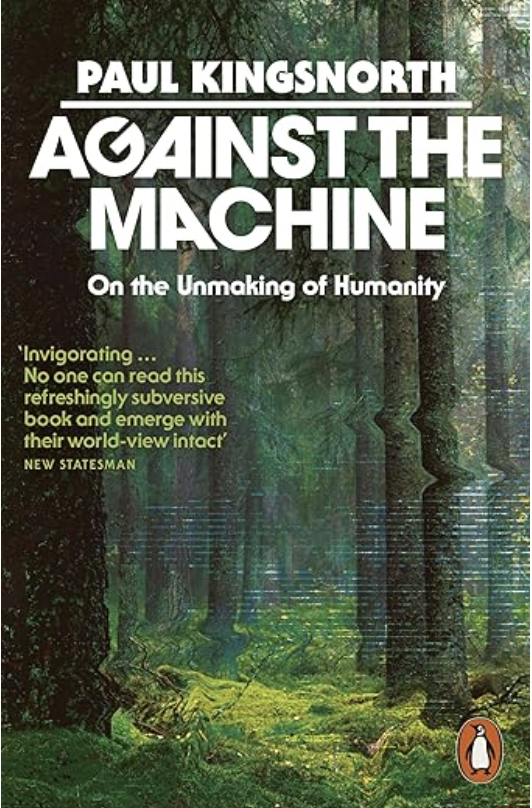
Against The Machine,
Paul Kingsnorth
(2025)
Critique of modernity and the myths of progress, urging a return to a more visceral connection to natural world.
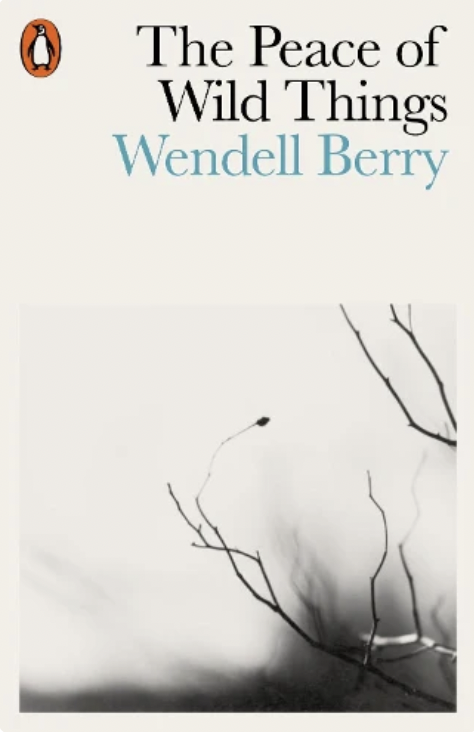
The Peace of Wild Things, Wendell Berry
(2018)
Collection of poems form a farmer poet environmentalist and an icon of contemporary American literature.
Mere Christianity,
CS Lewis
(1952)
Wildly popular, non preachy introduction to the basic concepts of Christianity using accessible language, metaphor and logic.
The English Year,
Steve Roud
(2006)
A chronological romp through the weird and wonderful particularities of the English peoples’ customs and festivals.
The History of the Countryside, Oliver Rackham (1997)
Definitive guide for anyone who likes to walk around wondering how any given feature of the landscape showed up.
Spirituality of Wine,
Gisela Kreglinger
(2016)
Examines biblical and theological importance of wine and spiritual significance of wine for our lives, communities and church today.
The Benedict Option,
Rod Dreher
(2018)
Much discussed book suggesting we look to the monastic example to pursue intentional, highly local community to navigate the future.
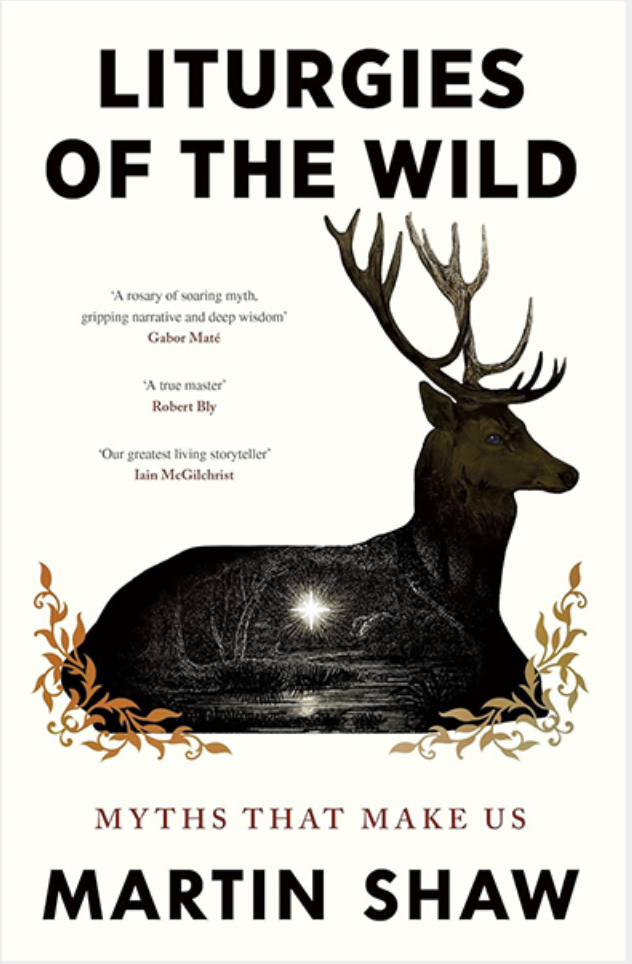
Liturgies of The Wild,
Martin Shaw
(2026)
Soulful exploration of how ancient myths and the rugged landscape can guide us back to a more enchanted relationship with life.
Community,
Peter Block
(2009)
Exceptional exploration of how to pursue positive change by adopting a mindset of abundance not scarcity.
The Seasons,
Nick Groom
(2014)
Detailed celebration of the English seasons and how traditions and our links with nature remain vital for national vitality.
Early Modern
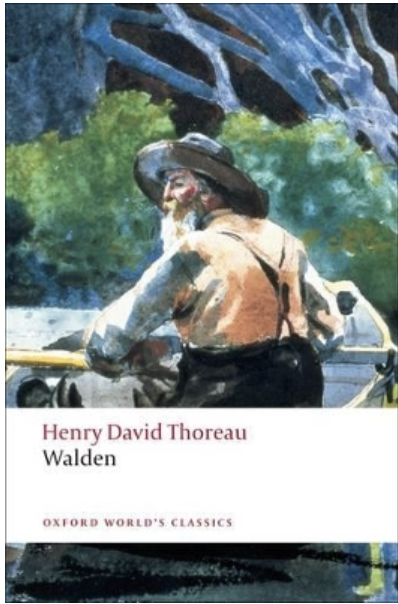
Walden, Henry David Thoreau
(1854)
Classic American outdoors literature on living deliberately in a local patch by a pond, exploring truths in simplicity.
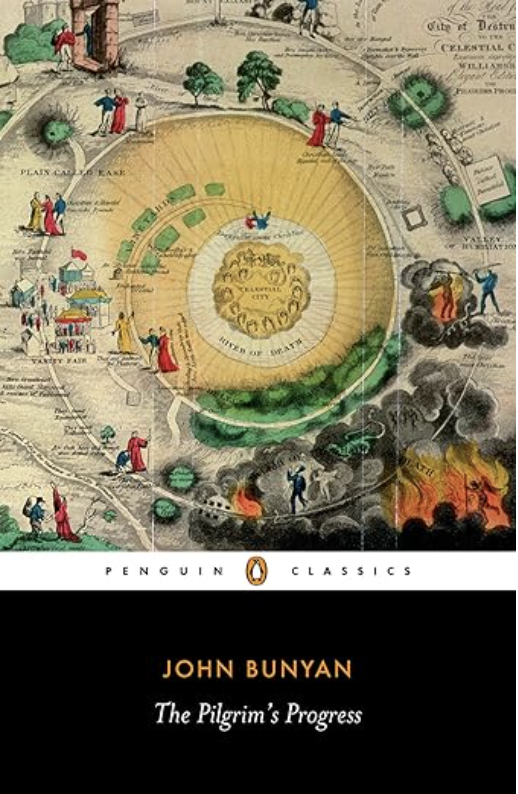
The Pilgrim’s Progress,
John Bunyan
(1678)
Most published book after The Bible. Allegory following a man on a symbolic journey encountering virtues en route.
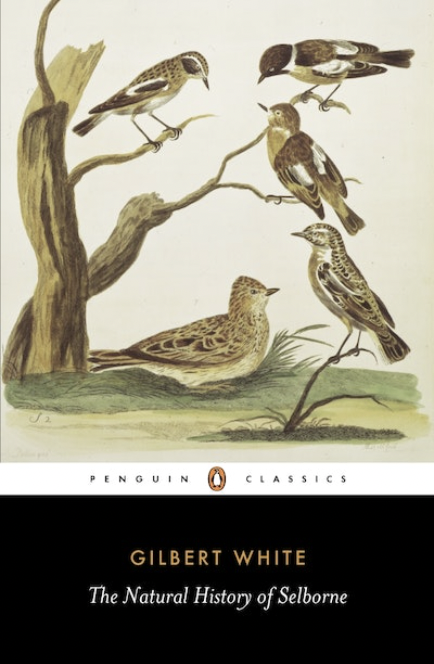
The Natural History of Selborne, Gilbert White (1789)
Most published book after The Bible, Shakespeare and Bunyan. Letters on the countryside by a clergyman naturalist.
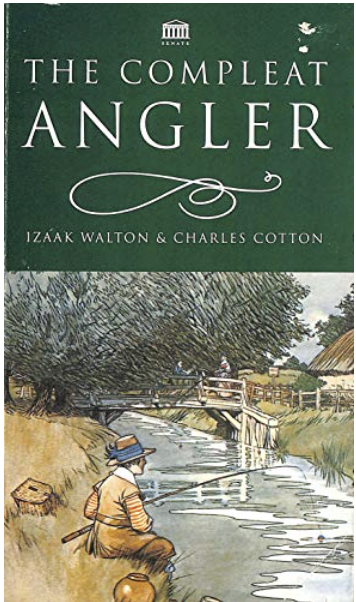
The Compleat Angler,
Izaak Walton
(1653)
One of most reprinted of all time. Iconic work that broke ground combining the poetic and the practical of being in nature.
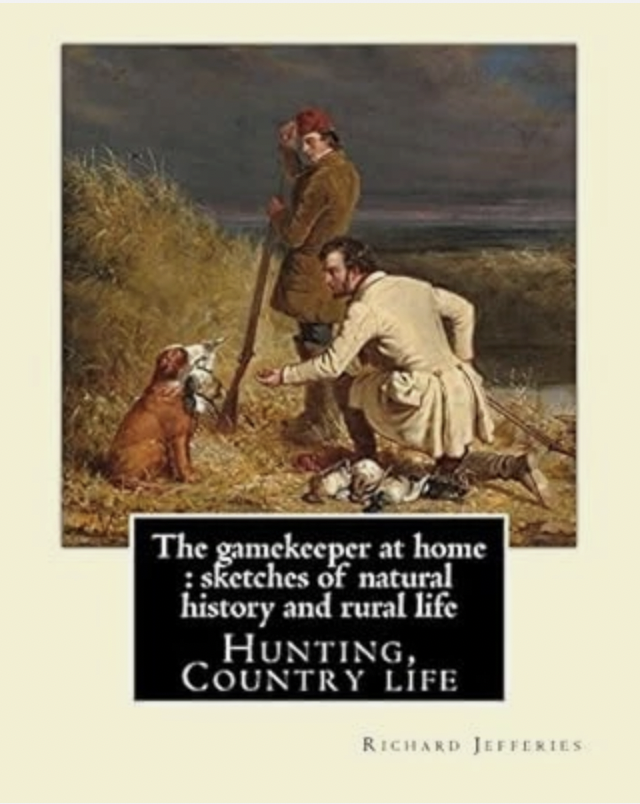
The Gamekeeper at Home, Richard Jeffries (1878)
Highly successful, intimate portrait of the life and duties of a Victorian gamekeeper. Made Jeffries a leading voice for nature.
Rural Rides,
William Cobbett
(1830)
Whilst famous for its politics, this is a love letter to English soil, defending the rural way of life against industrial "progress.
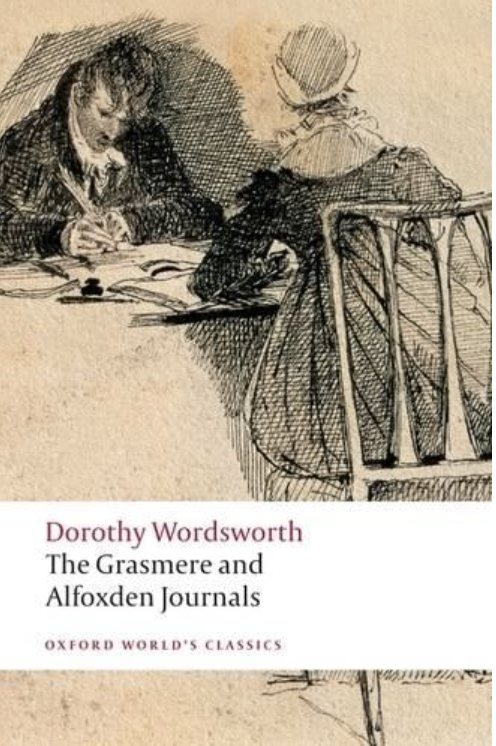
The Journals of Dorothy Wordsworth, Dorothy Wordsworth (1803)
Dorothy Wordsworth (sister of William) offers some of the most vivid, celebrated records of the English Romantic era.
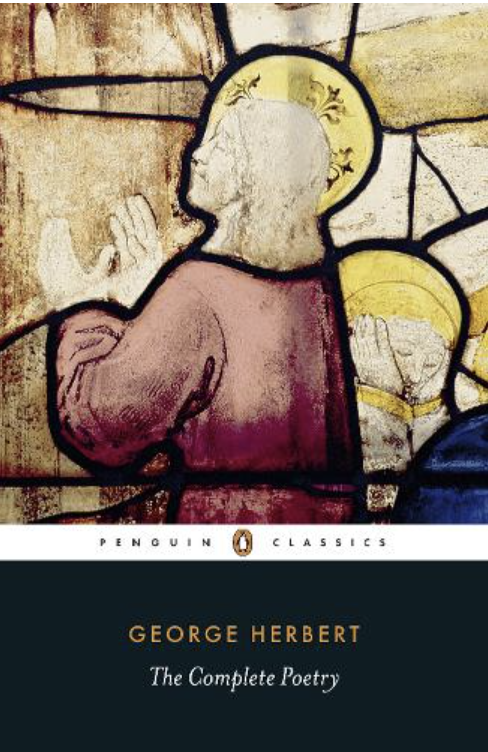
The Complete Poetry,
George Herbert
(1630)
The greatest English religious poet, this is considered one of the most influential works of metaphysical poetry, written in private.
Medieval
These are not books (as they didn’t exist then) but texts and short stories. Much of this can be found in print or as free content online.
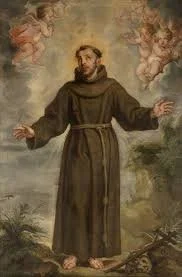
St Francis of Assisi
One of earliest Italian literature, The Canticle of The Creatures is Francis’s most famous hymnal poem.
St Bonaventure
“Journey of the Mind into God” maps beauty and an ascent from a sensory world to mystical union.
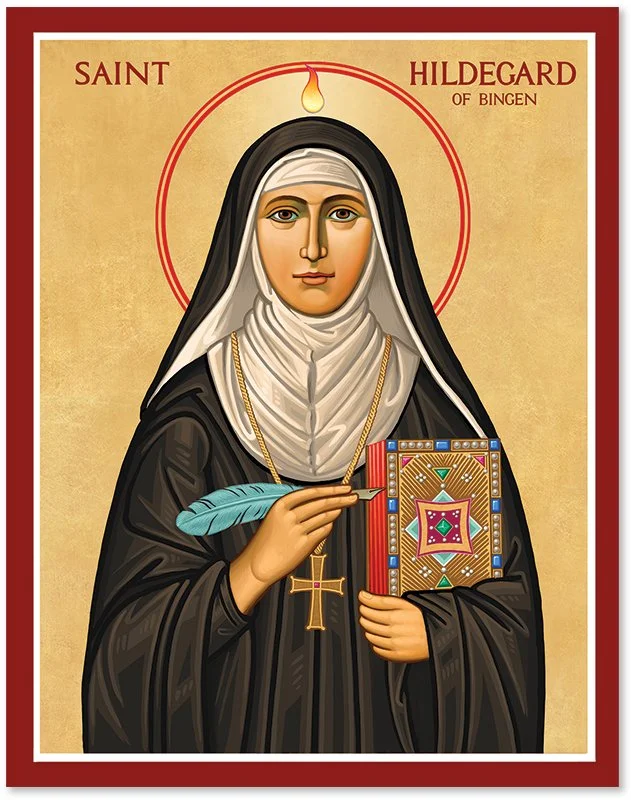
St Hildegard
Shared a theology of ‘Divine Greening’ in which compared a healthy souls to healthy nature.
Julian of Norwich
Revelations of Divine Love, is first known book in English written by a woman, existing in short and long text.
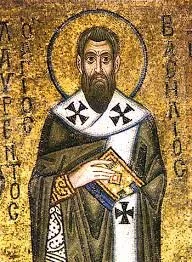
St Basil The Great
The Hexaemeron is a nine sermons providing foundational commentary on Genesis.
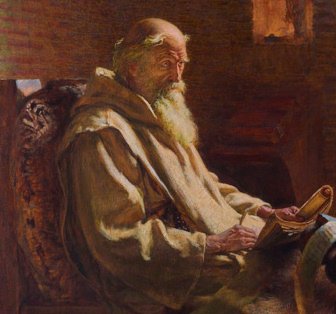
The Venerable Bede
Ecclesiastical History of The English People is widely seen as the foundational text of English history.
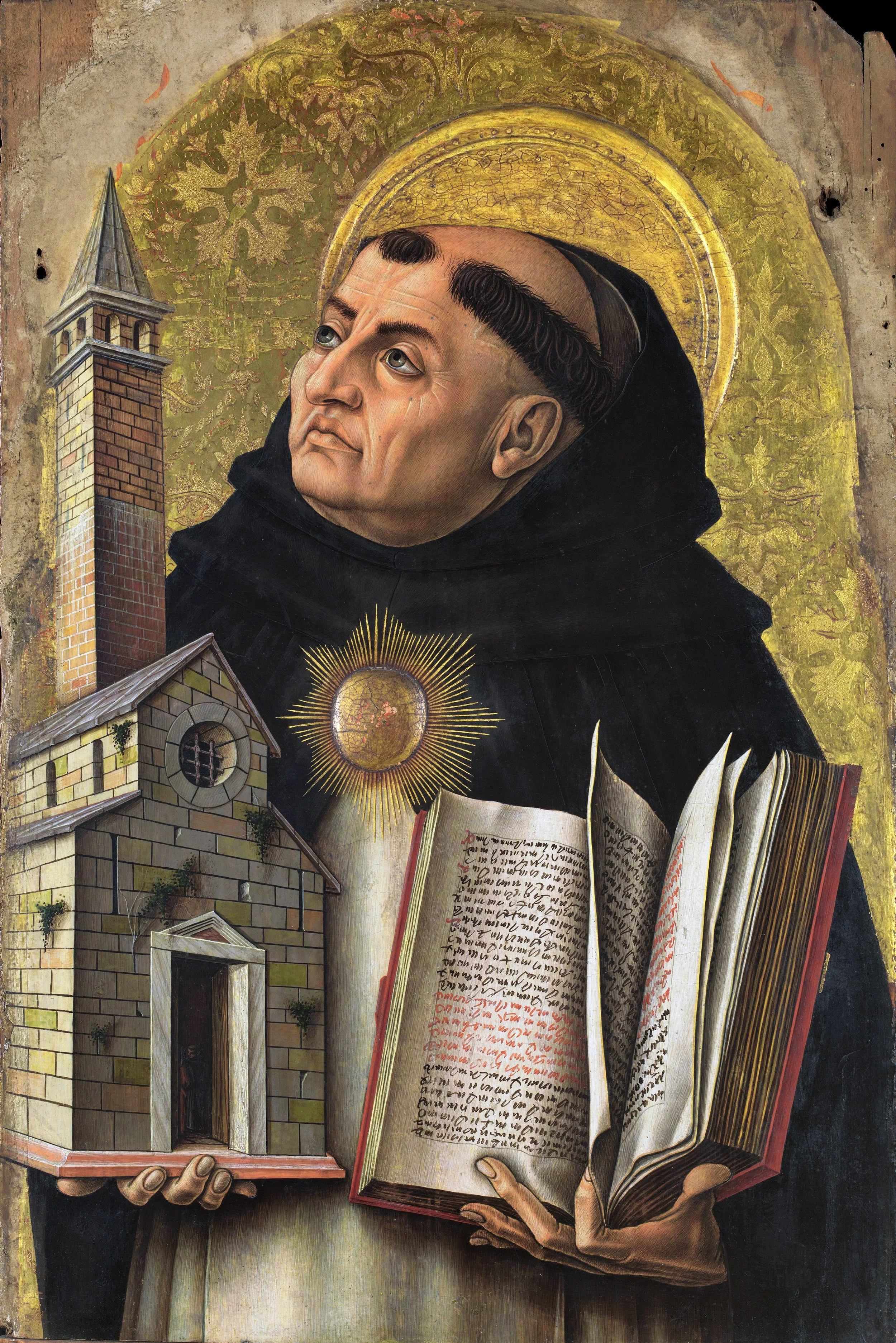
St Thomas Aquinas
Argued that for something to be considered beautiful, it must possess three specific qualities.
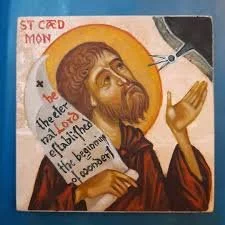
Caedmon
Caedmon’s Hymn is considered the earliest poem within the Christian English vernacular tradition.