Life at the farm:
‘East Trencreek'
The
Place
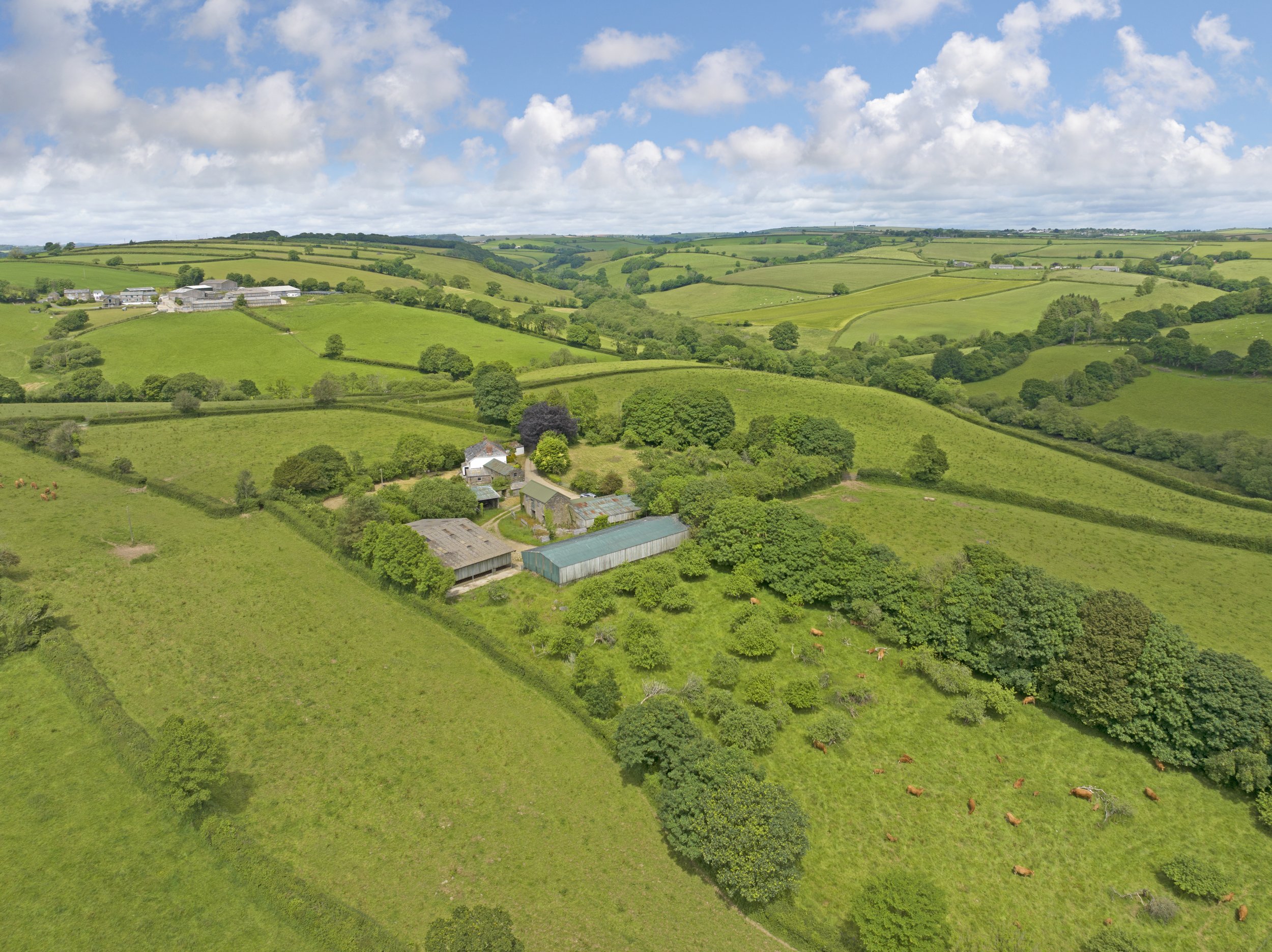
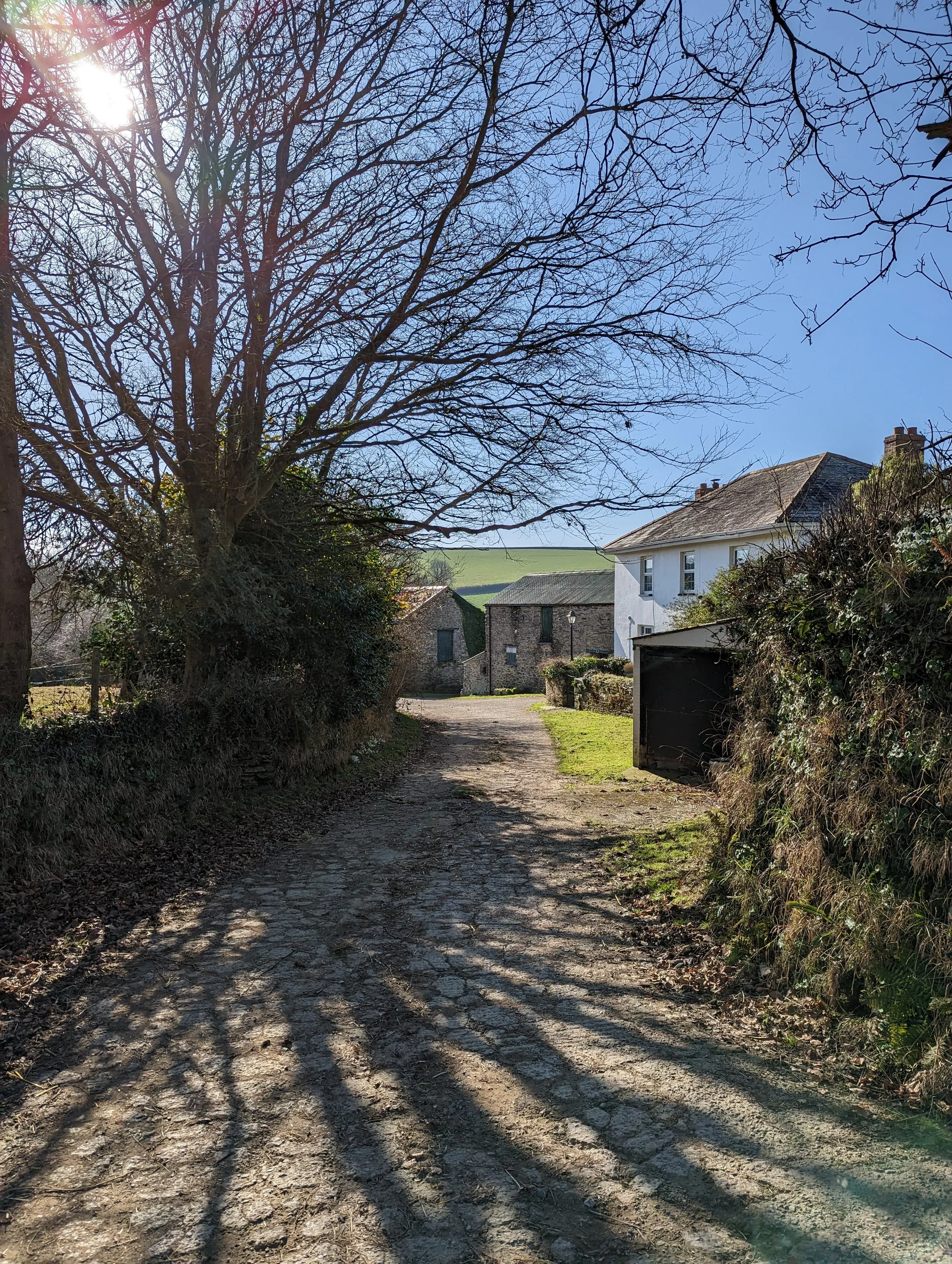
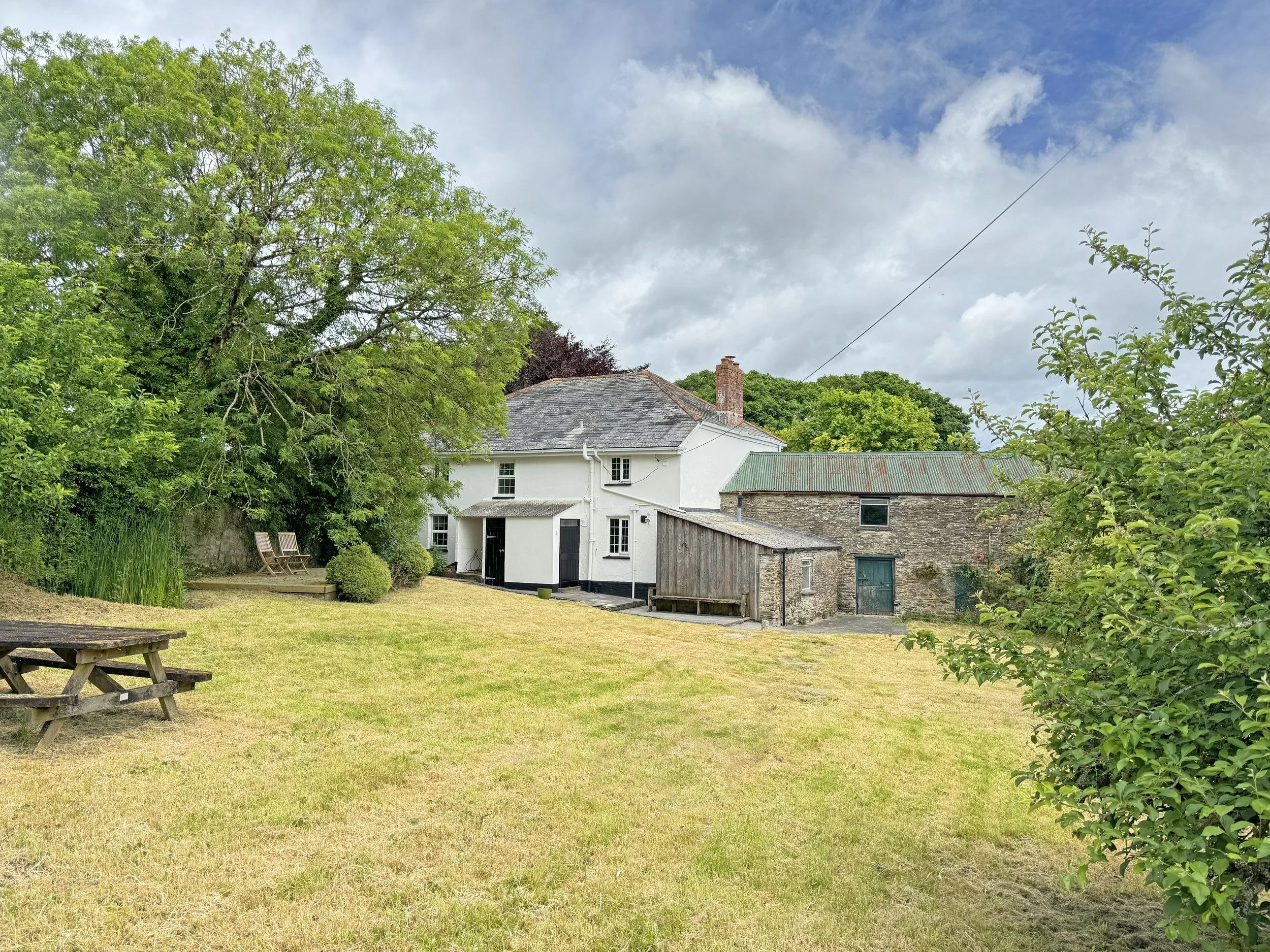
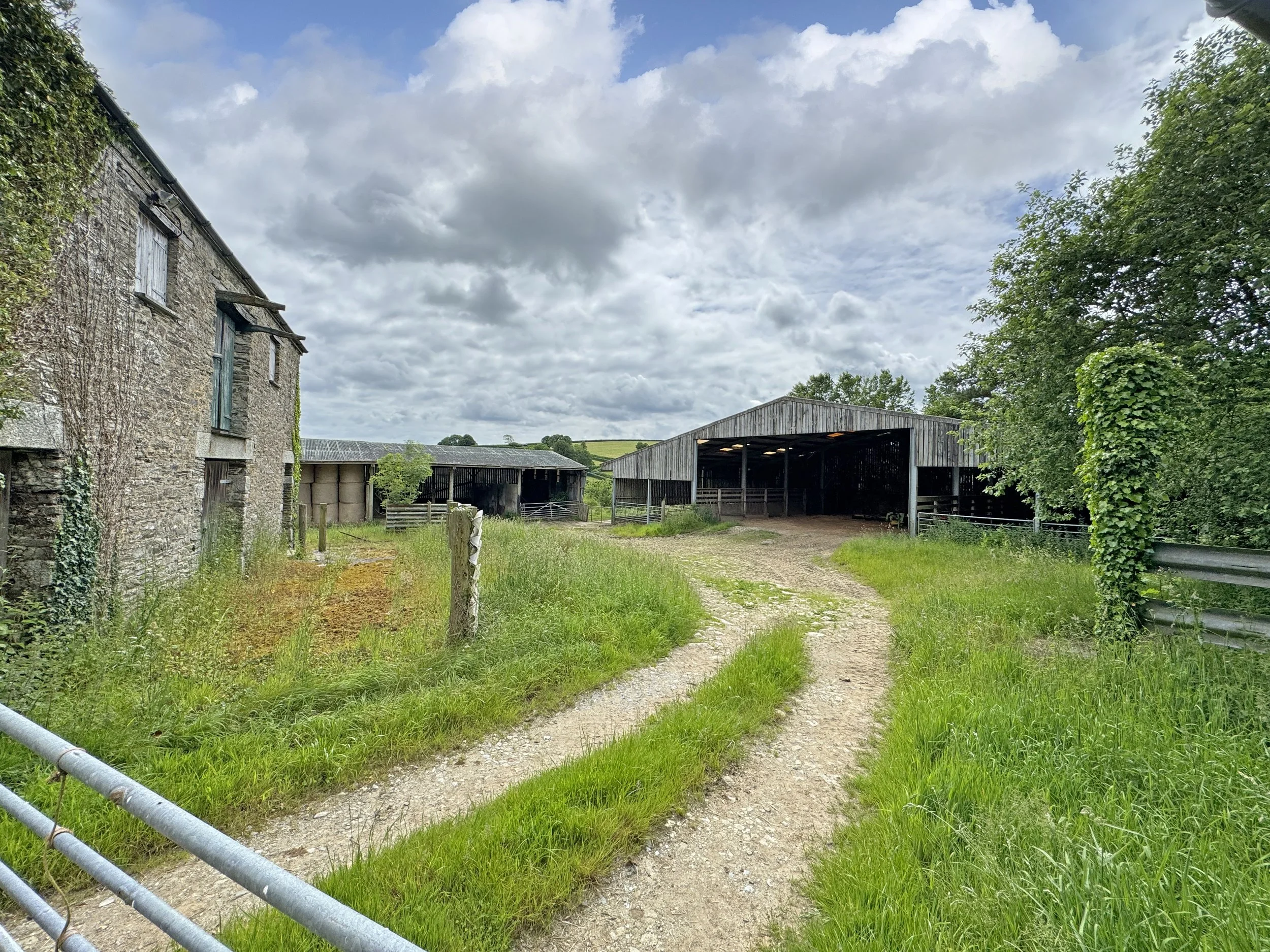
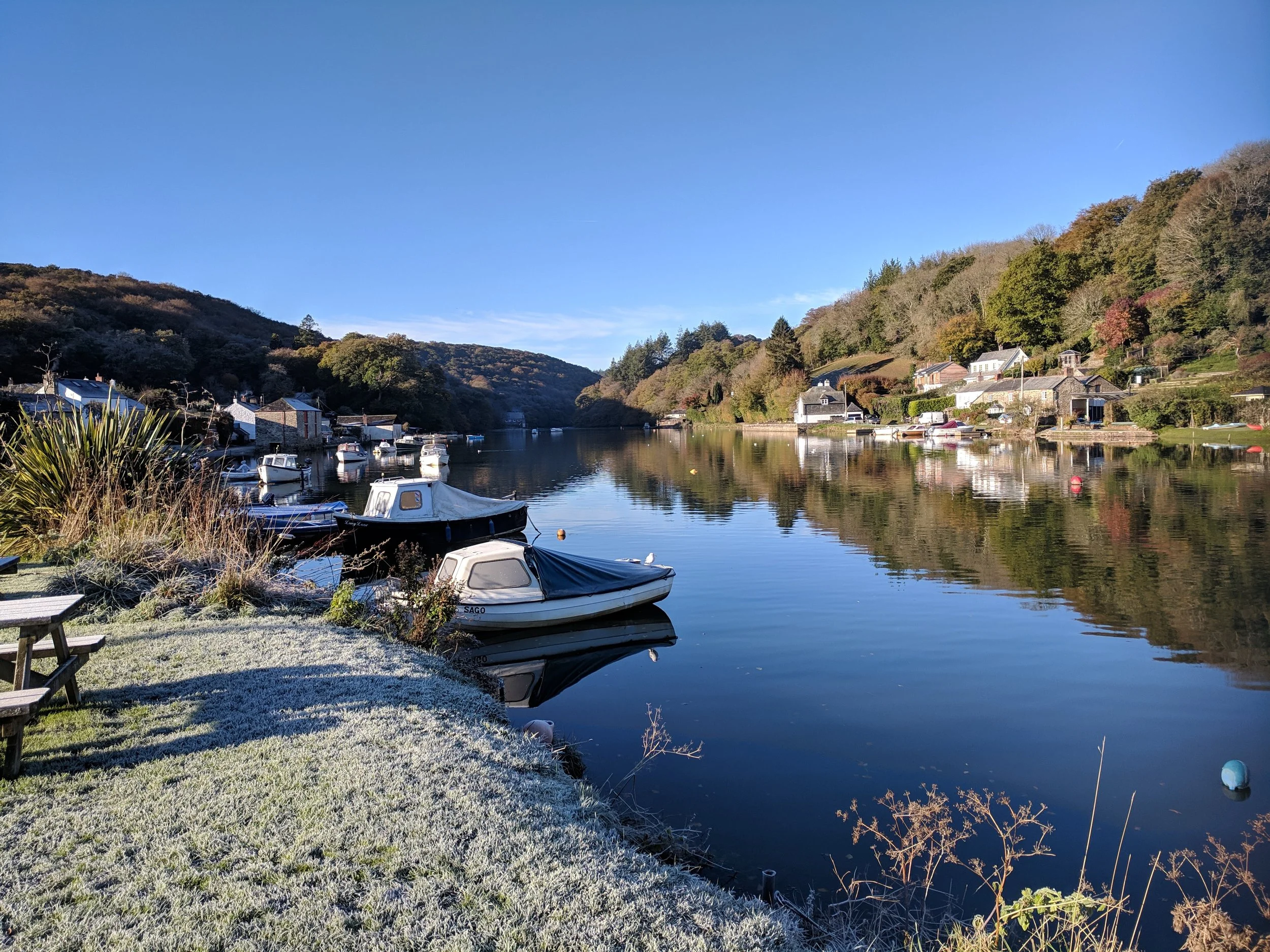
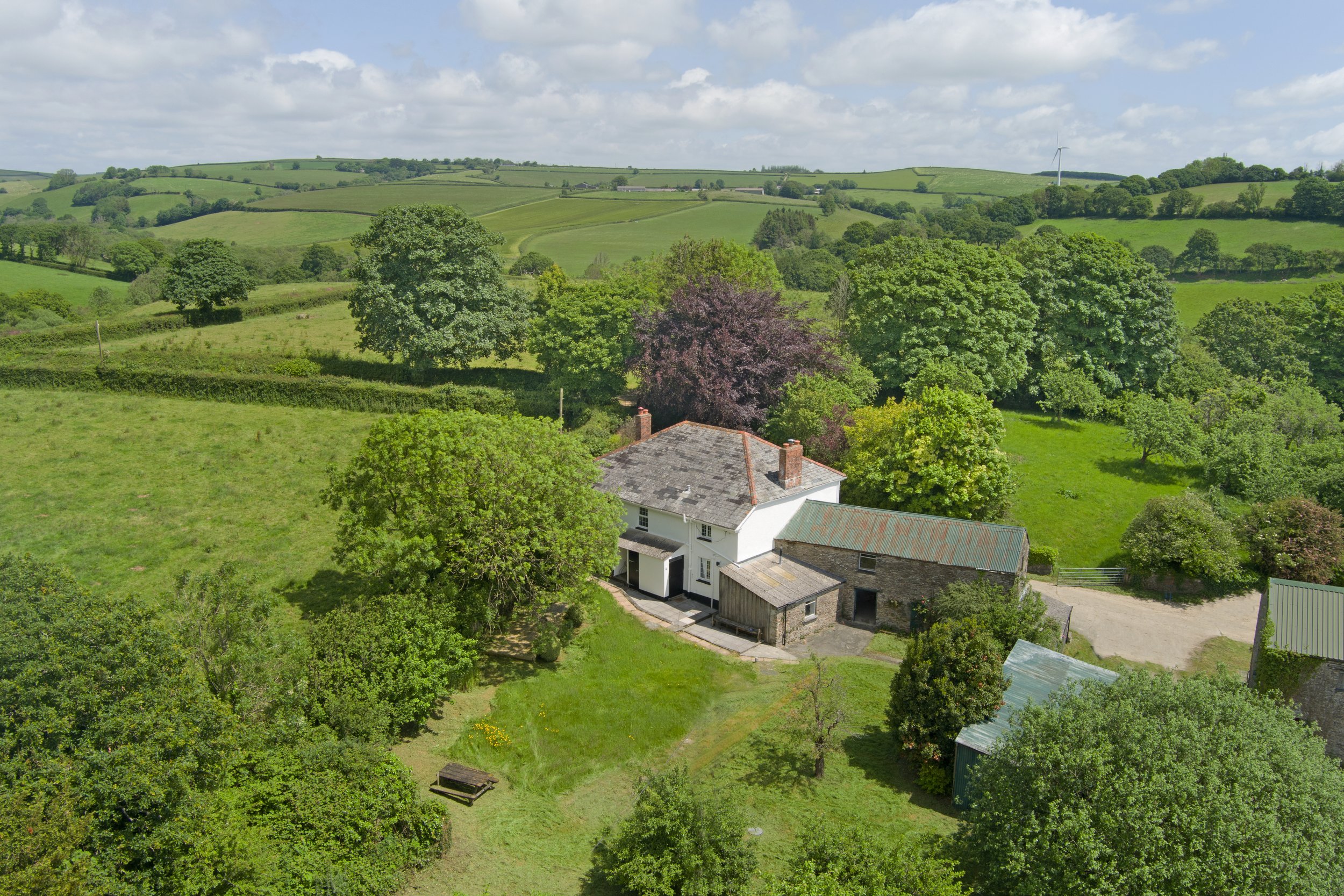
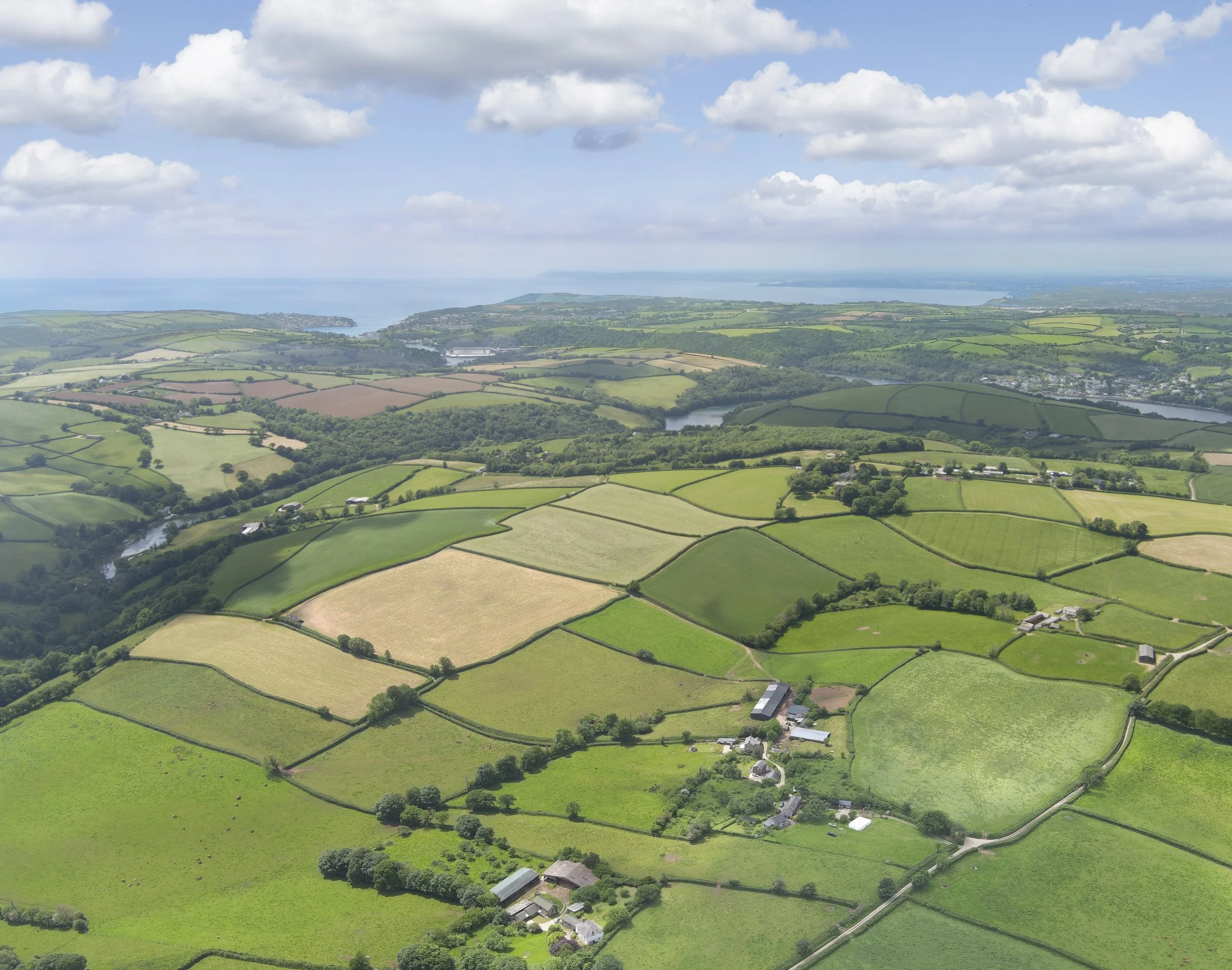
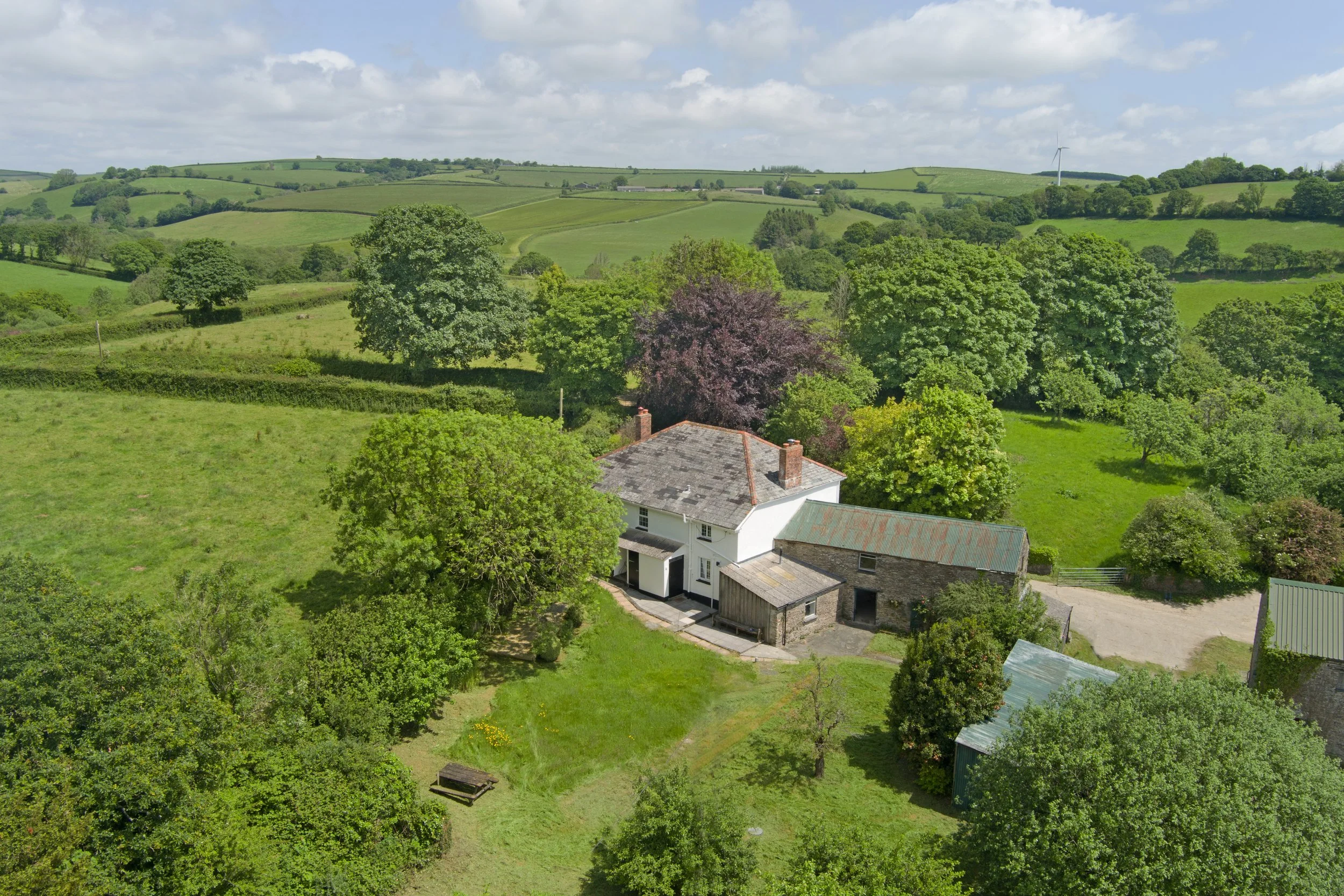
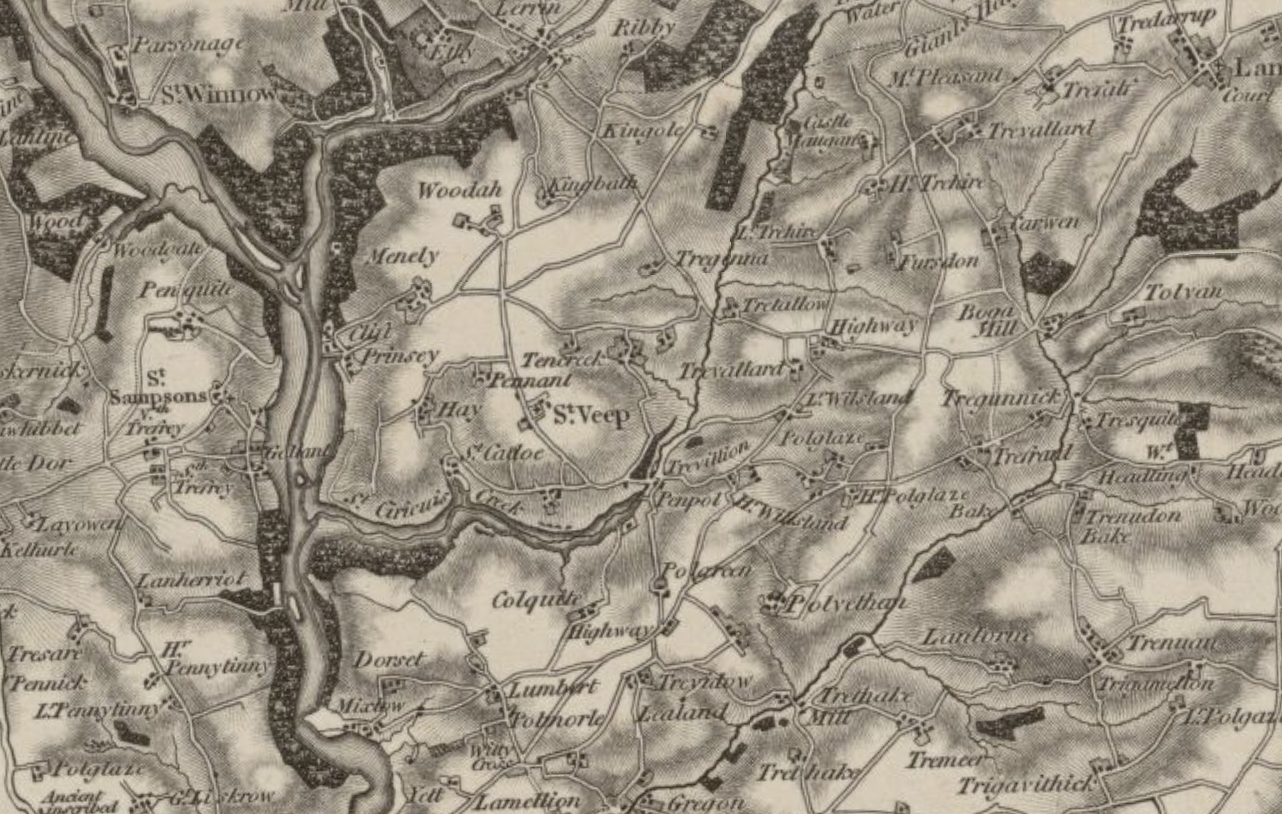
‘East Trencreek’ is in the ancient parish of St Veep, between Lerryn and Penpoll, in the vicinity of Lostwithiel, Fowey, Polperro and Looe.
Lerryn’s beauty inspired The Wind and the Willows, Fowey holds a rich maritime and literary history, Lostwithiel is the ancient seat of the Duchy of Cornwall, and Polperro and Looe remain fishing harbours.
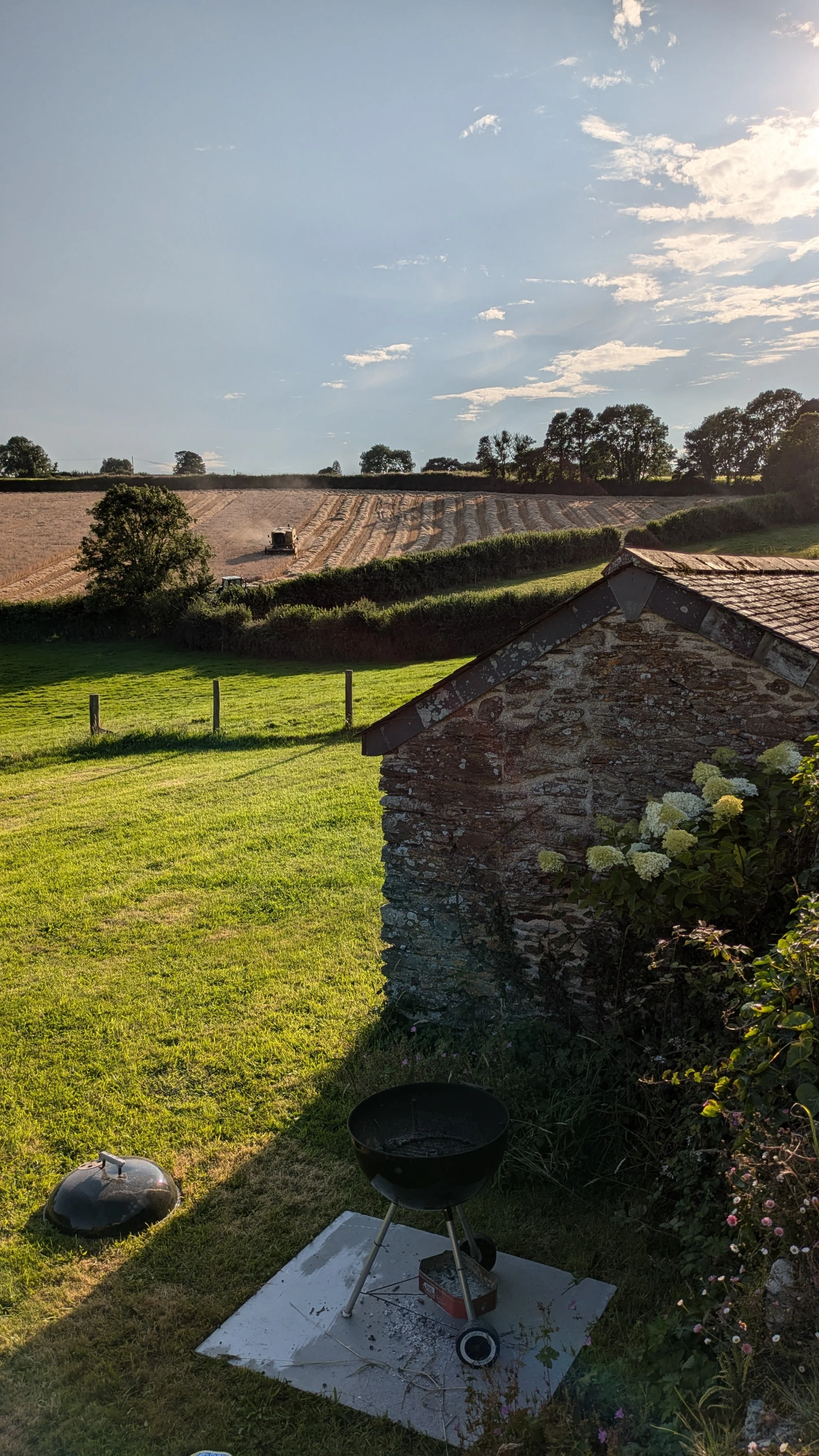
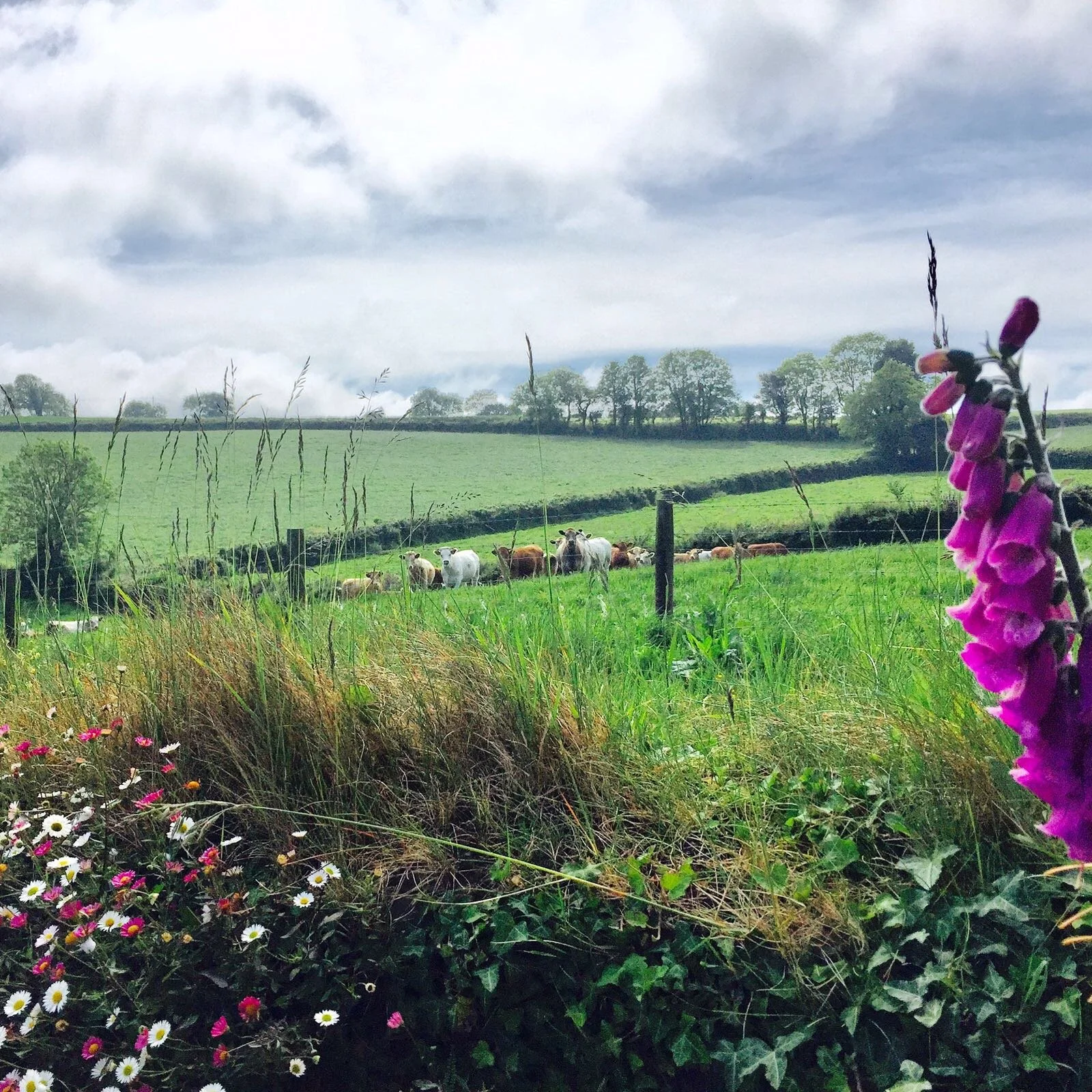
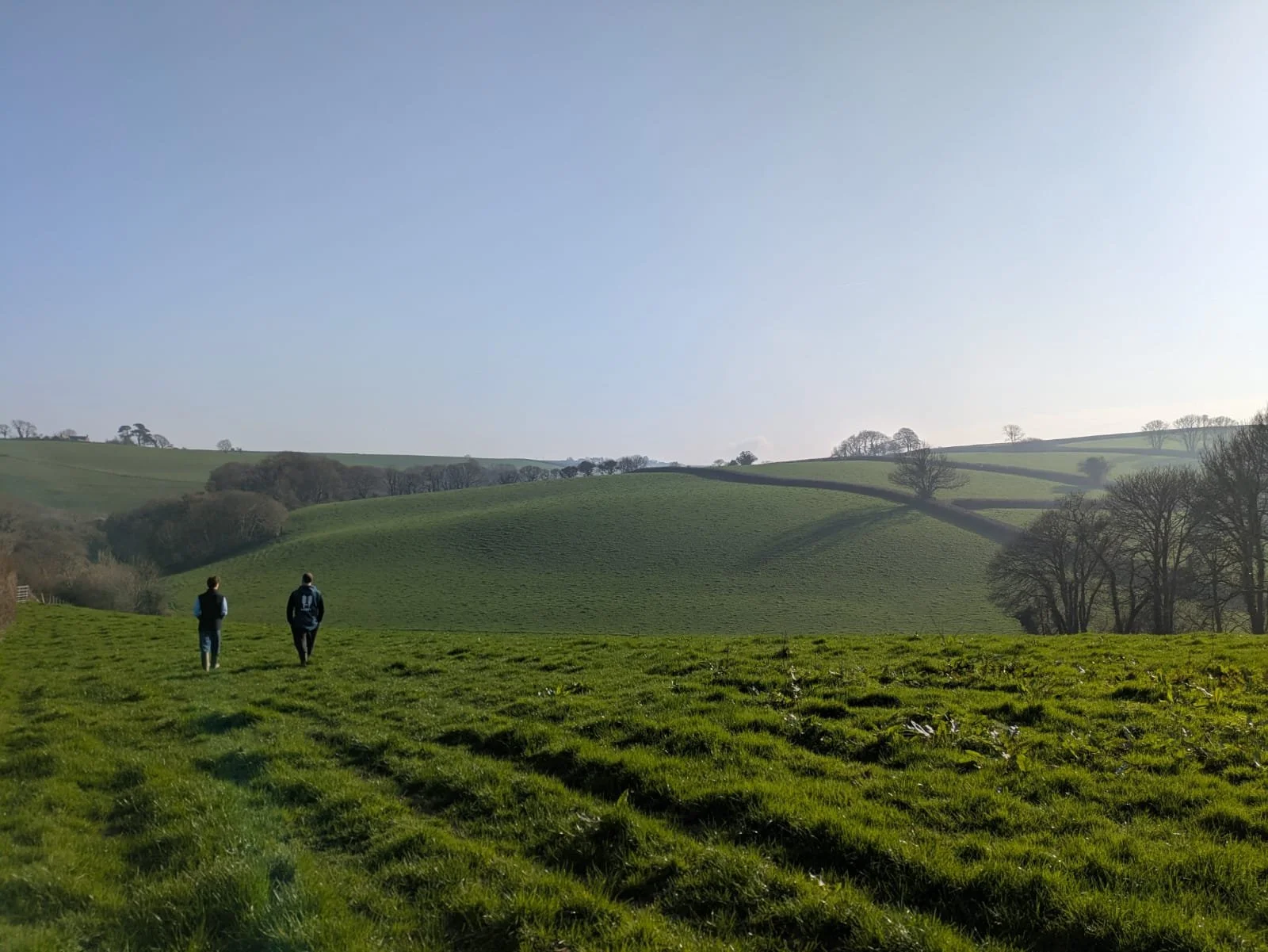
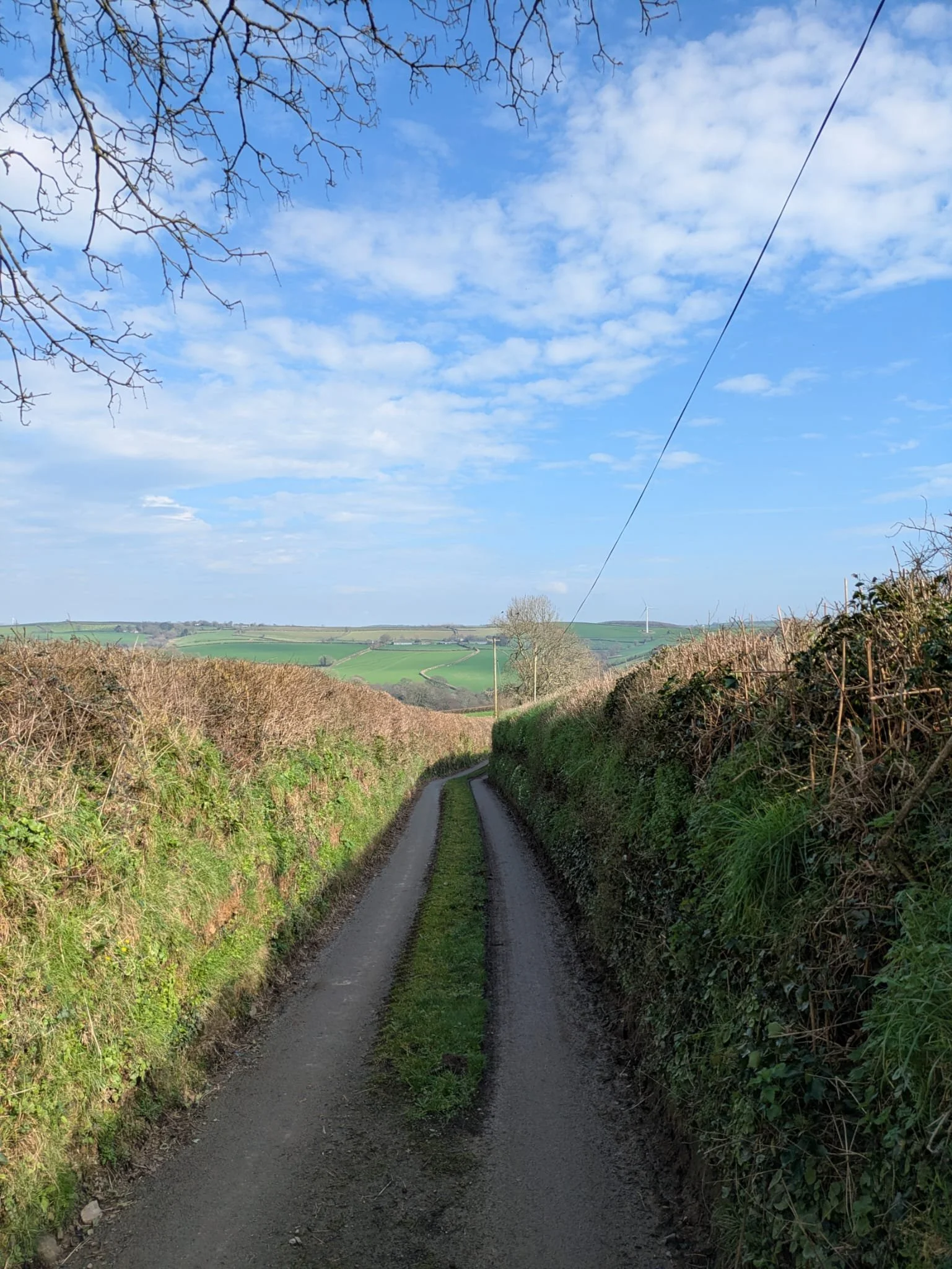
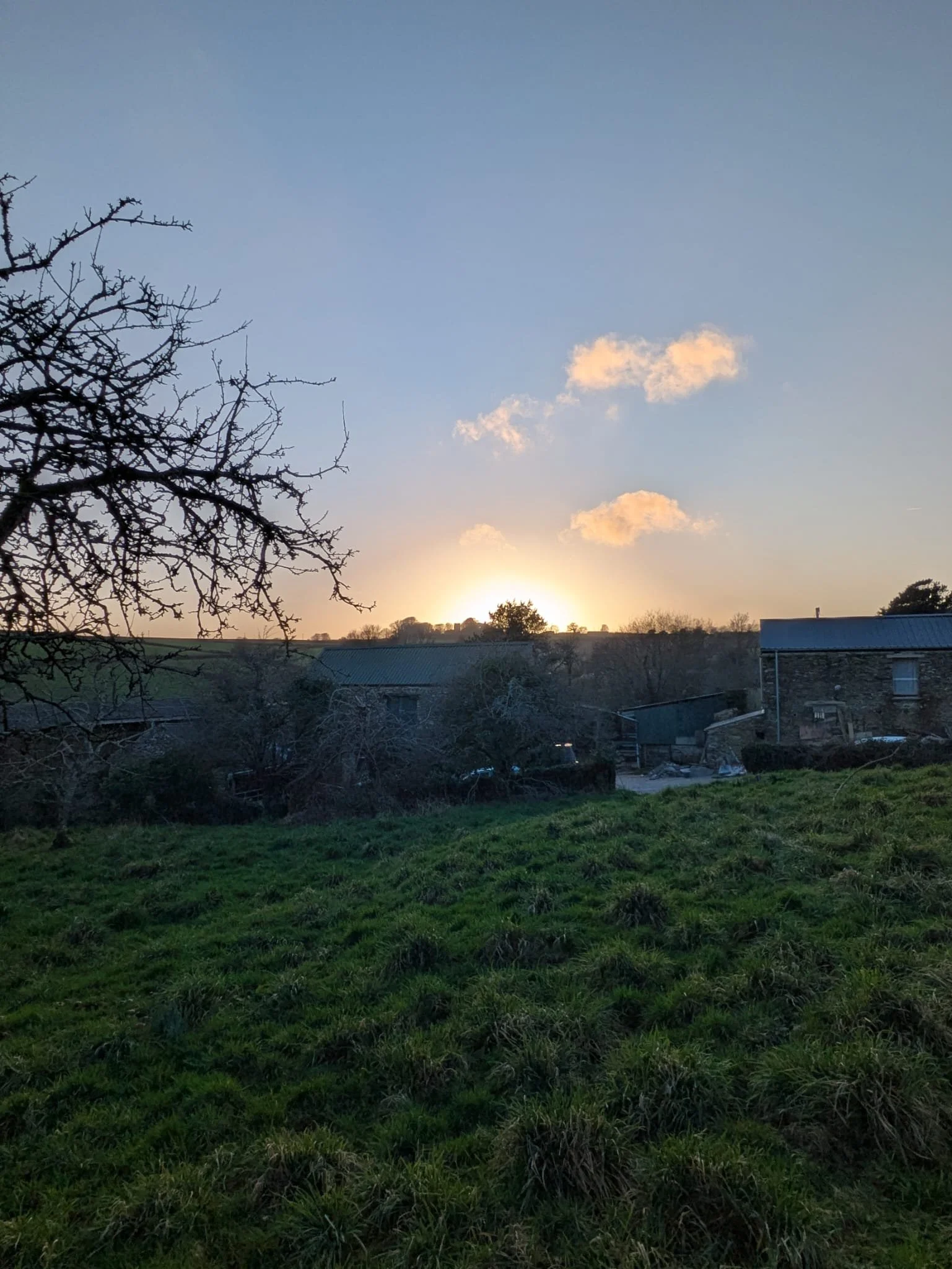
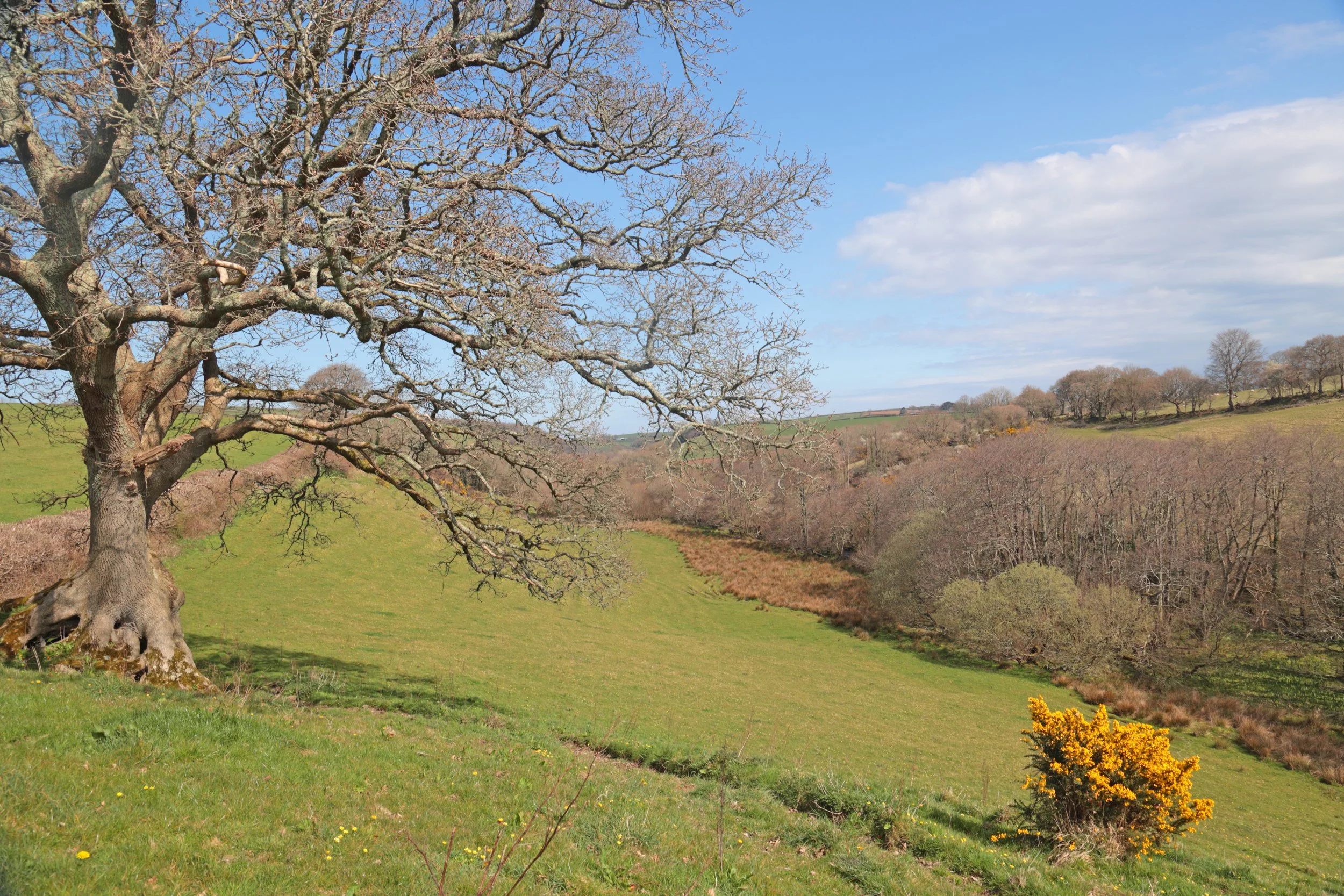
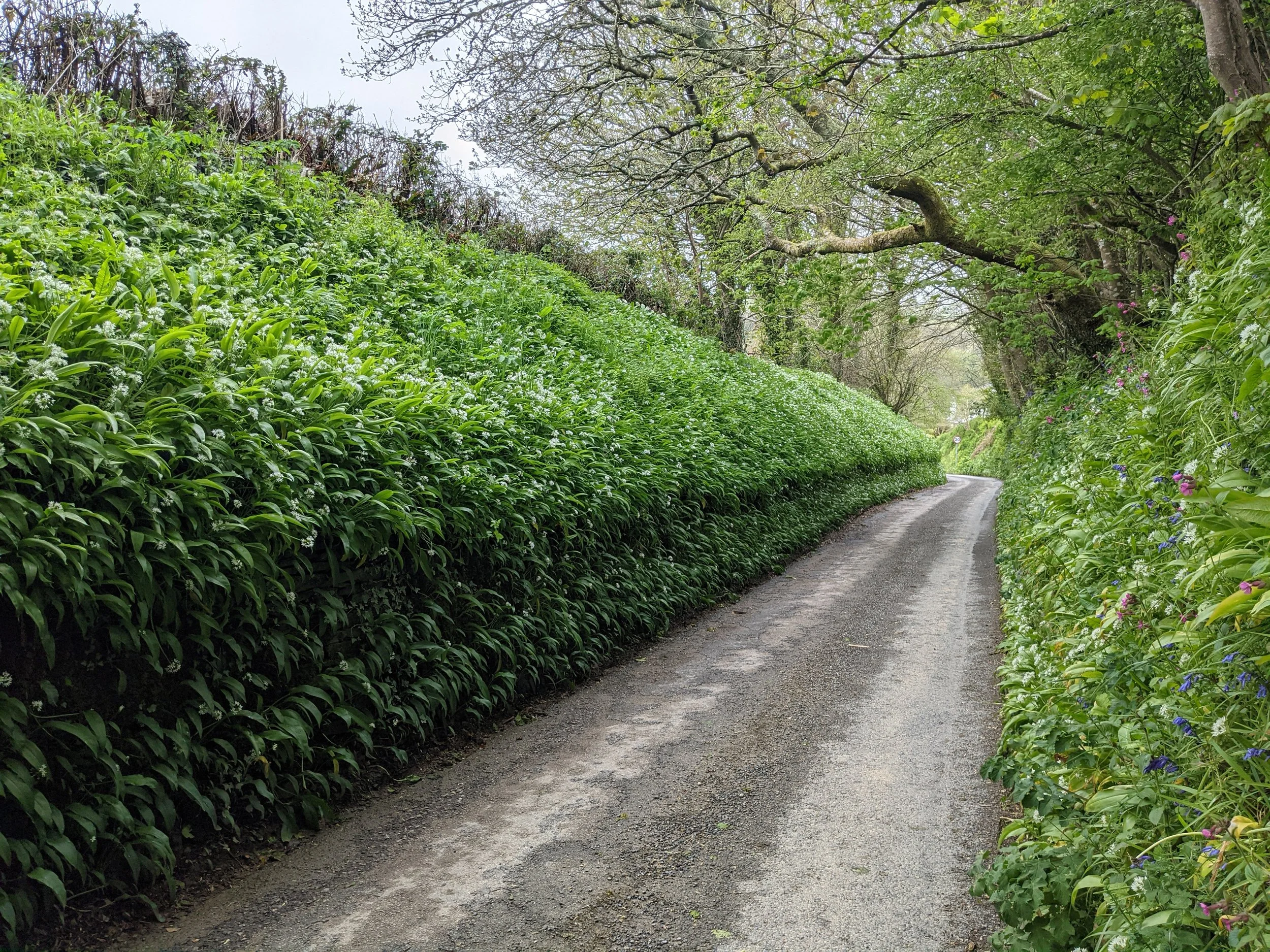
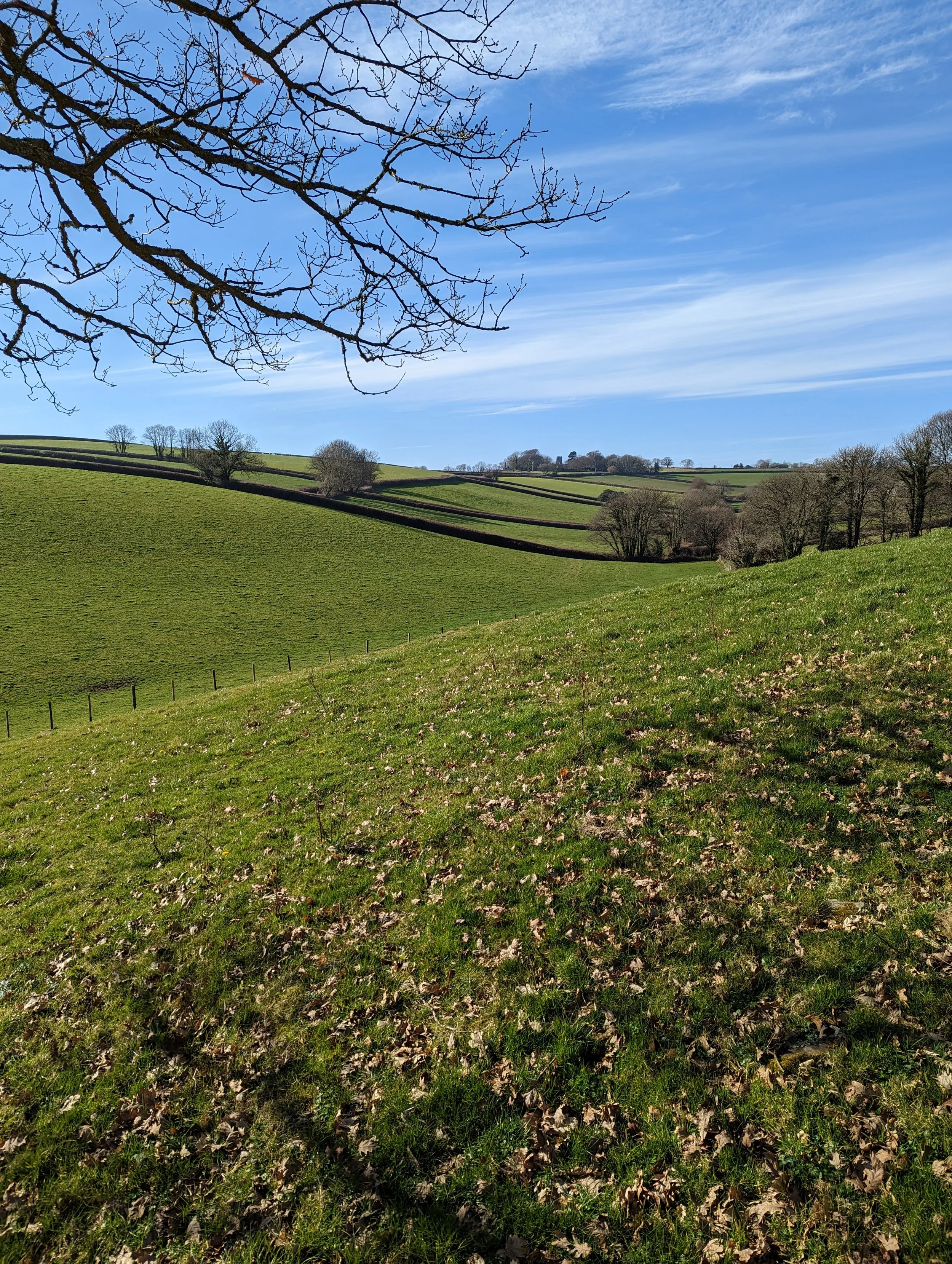
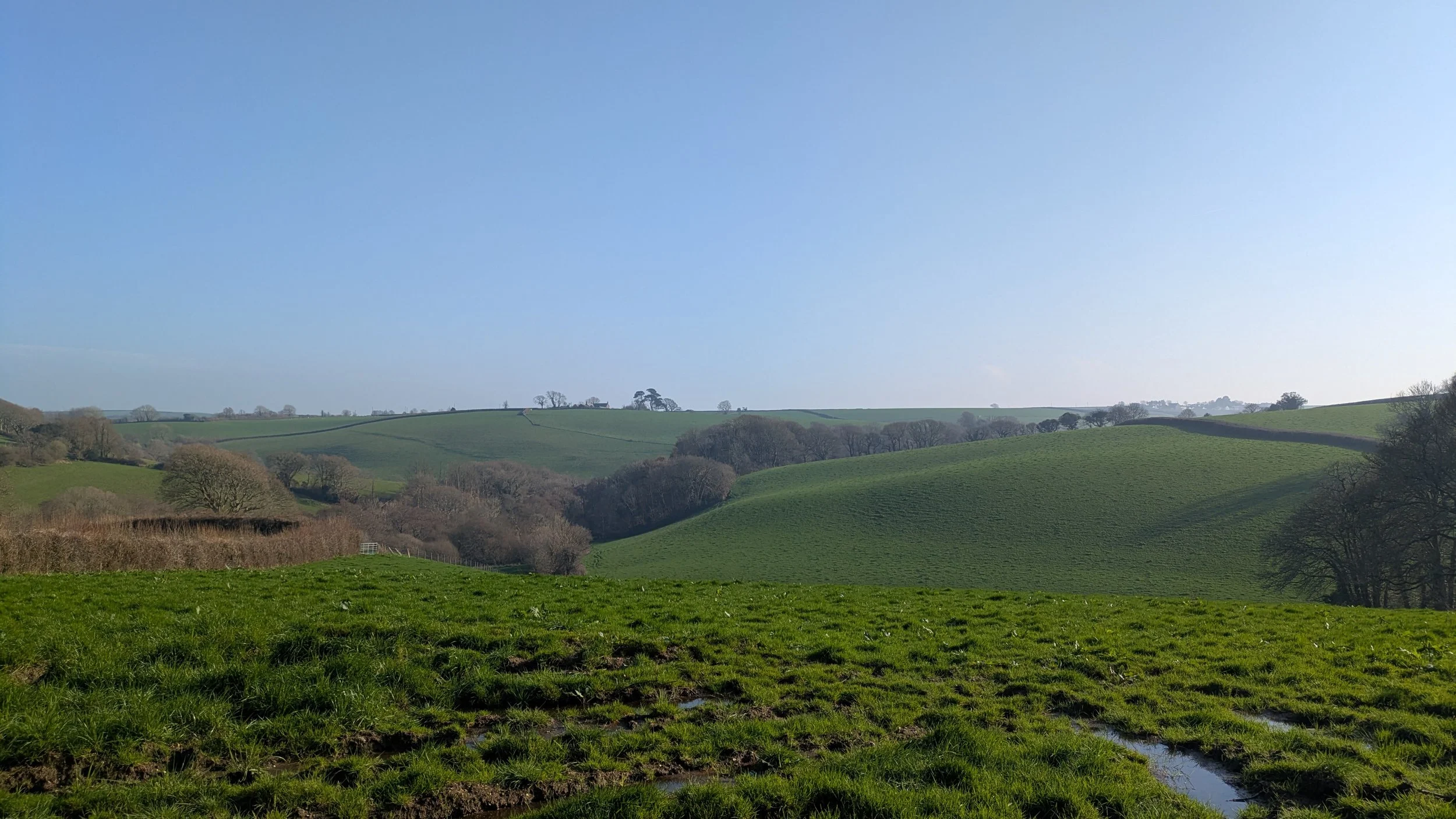
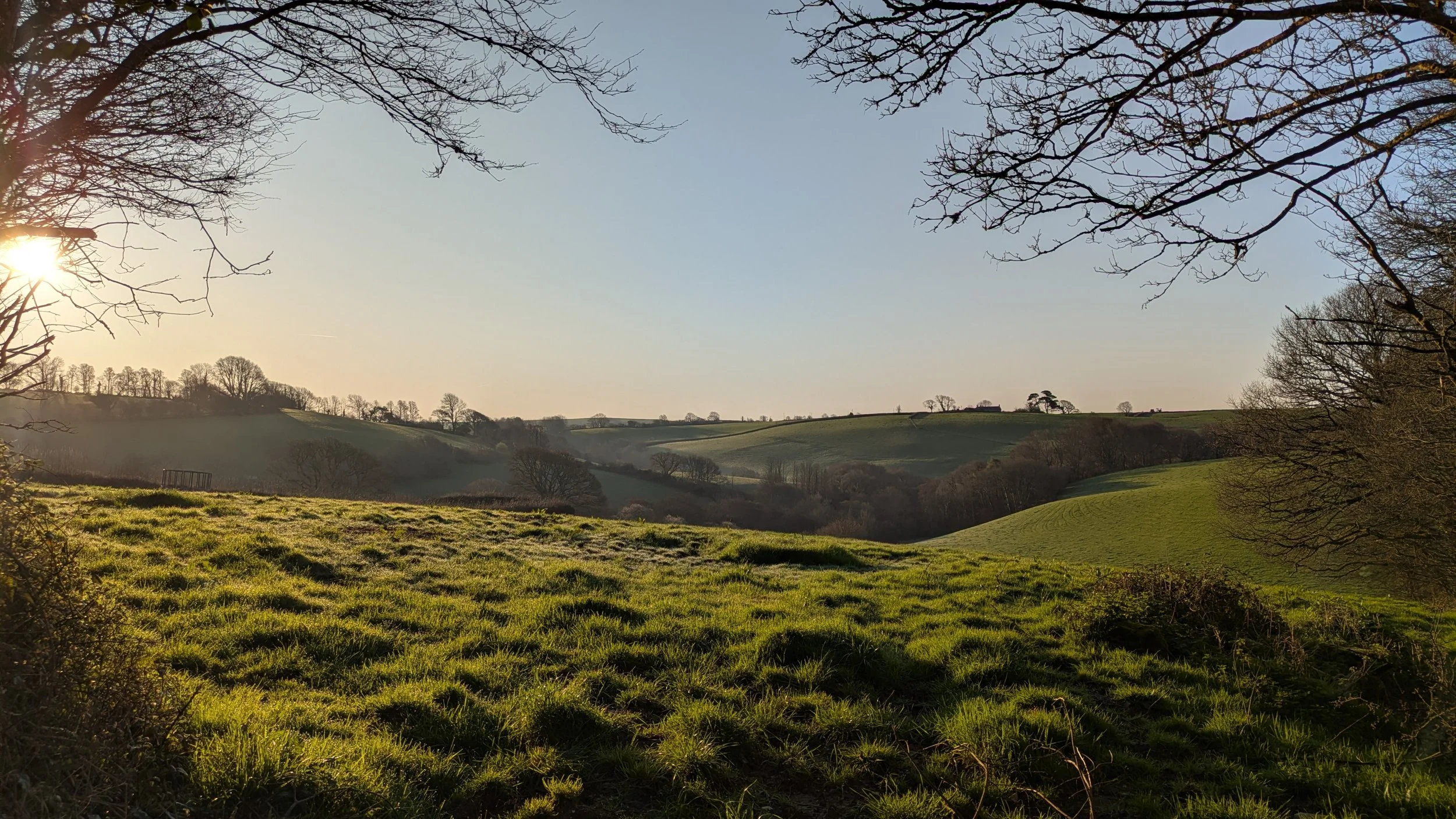
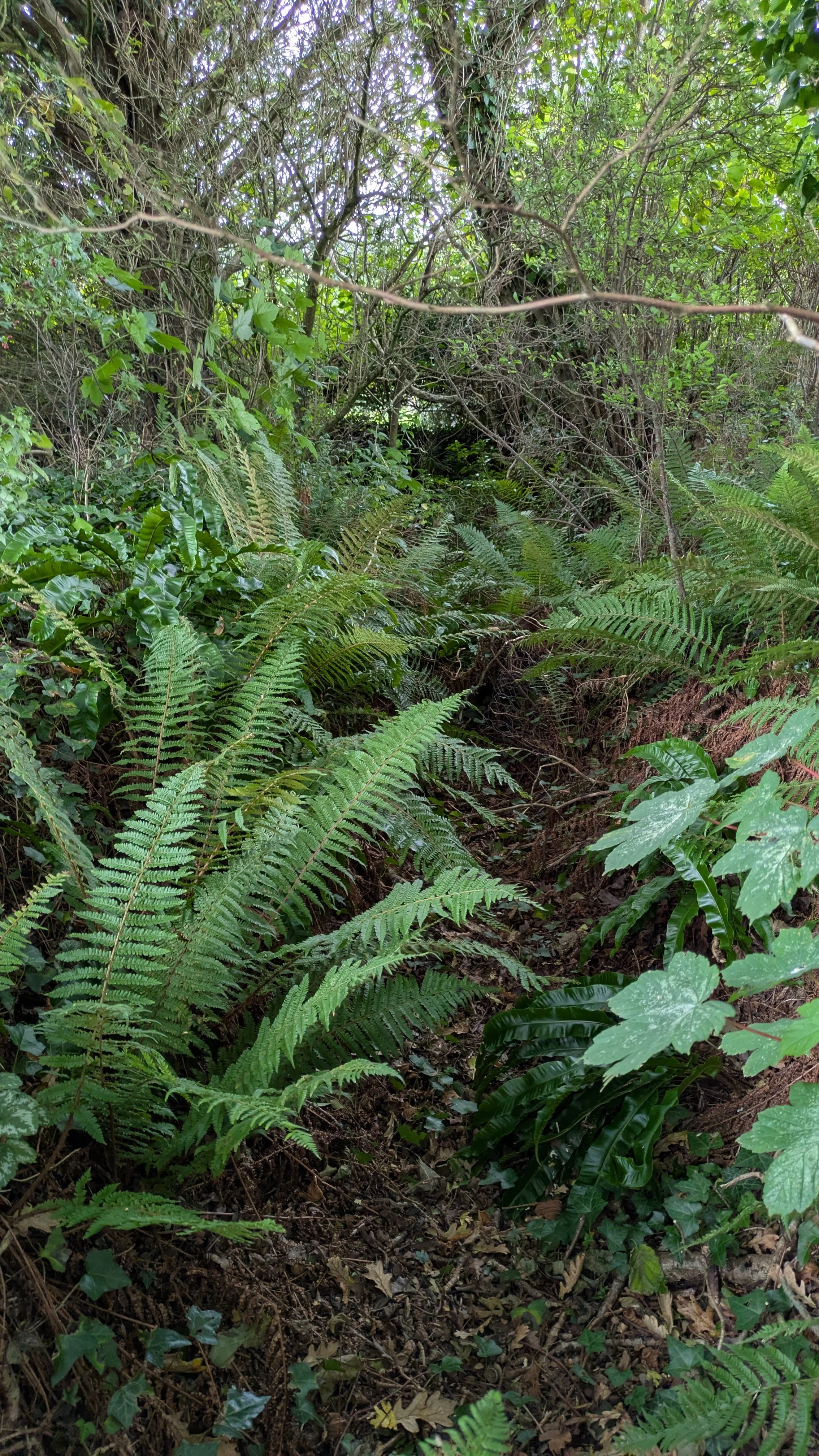
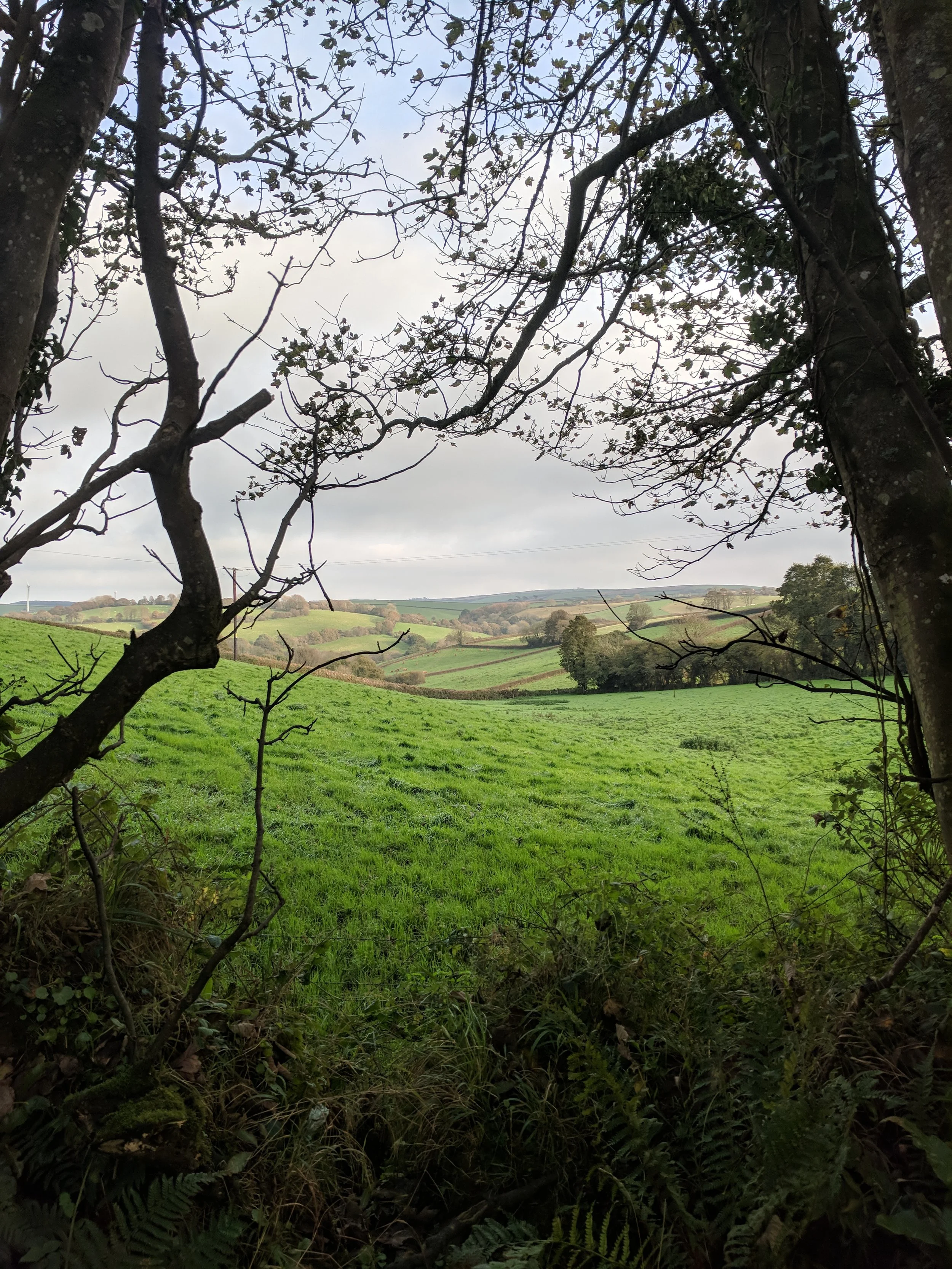
It is a deeply rural English landscape with undulating meadows, ancient hedgerows and coves and creeks lingering over the hill.
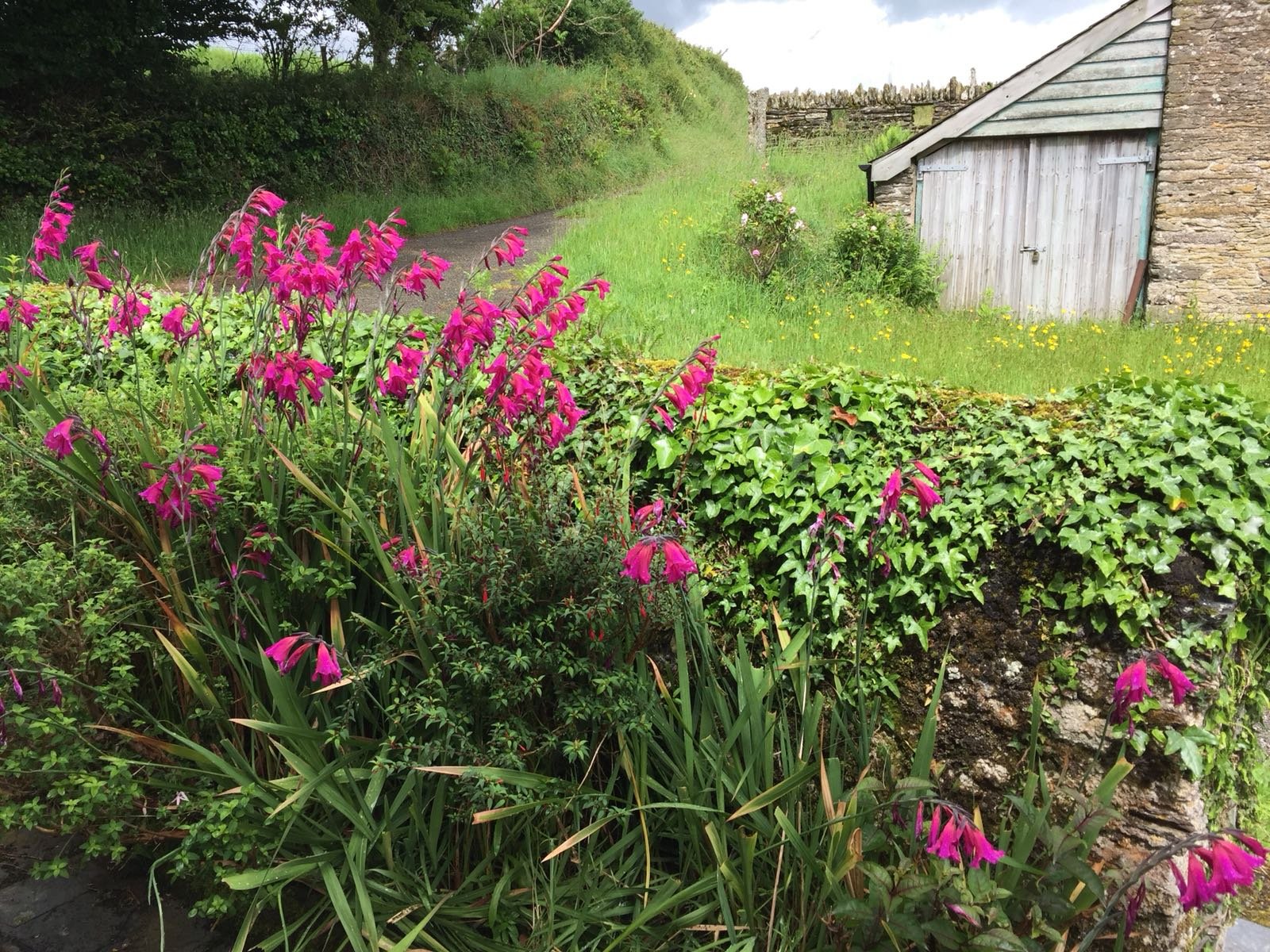
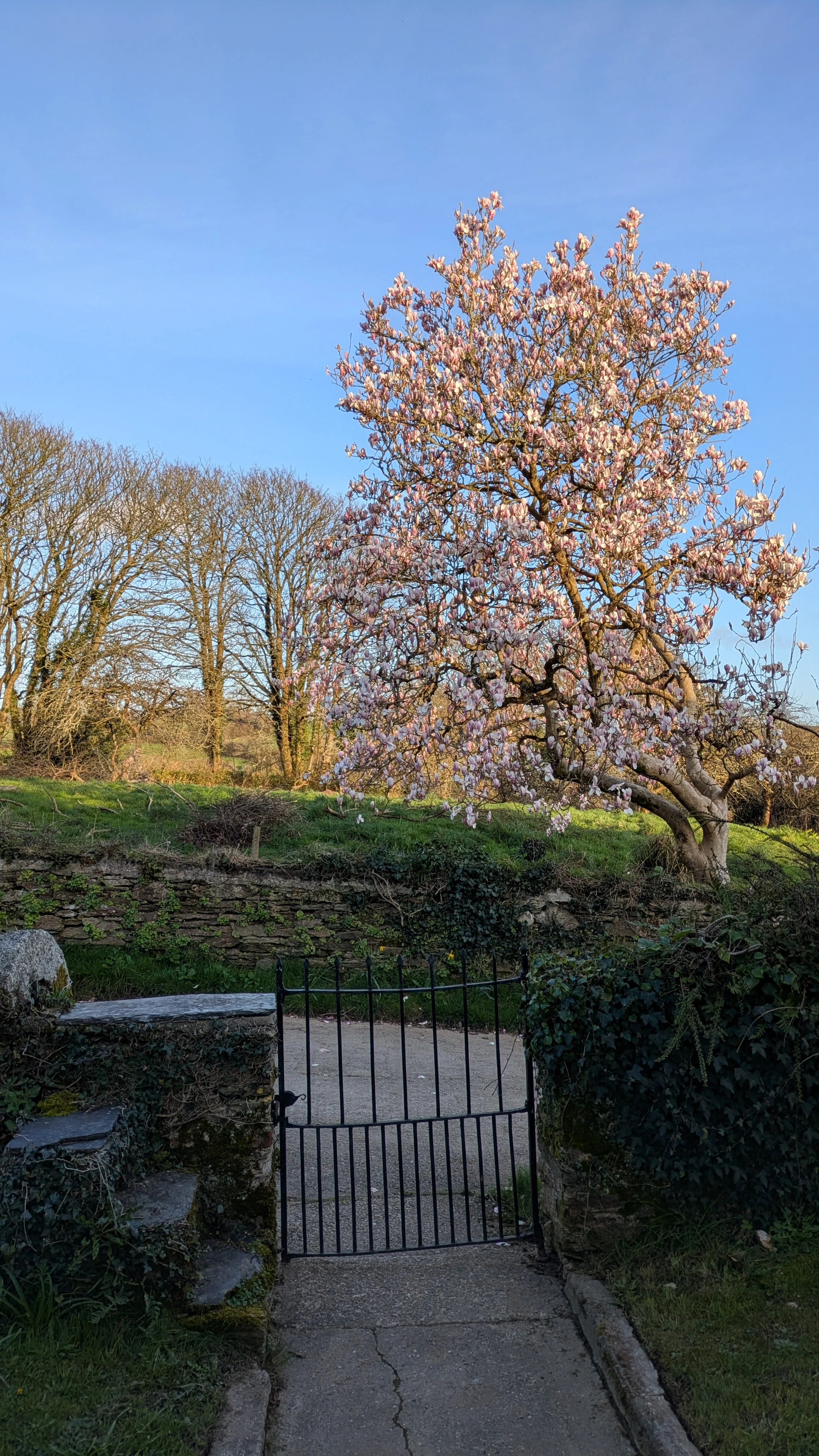
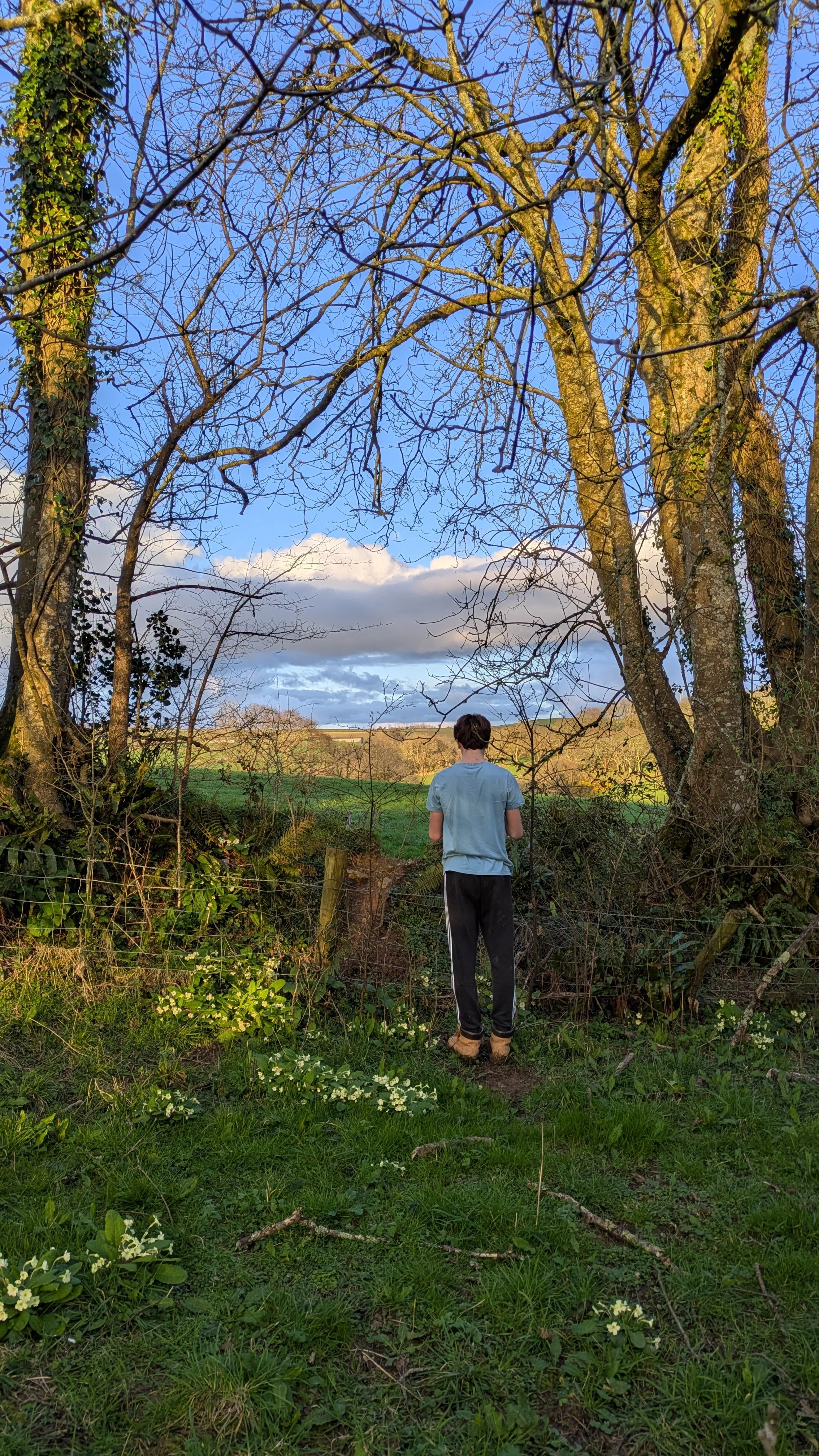
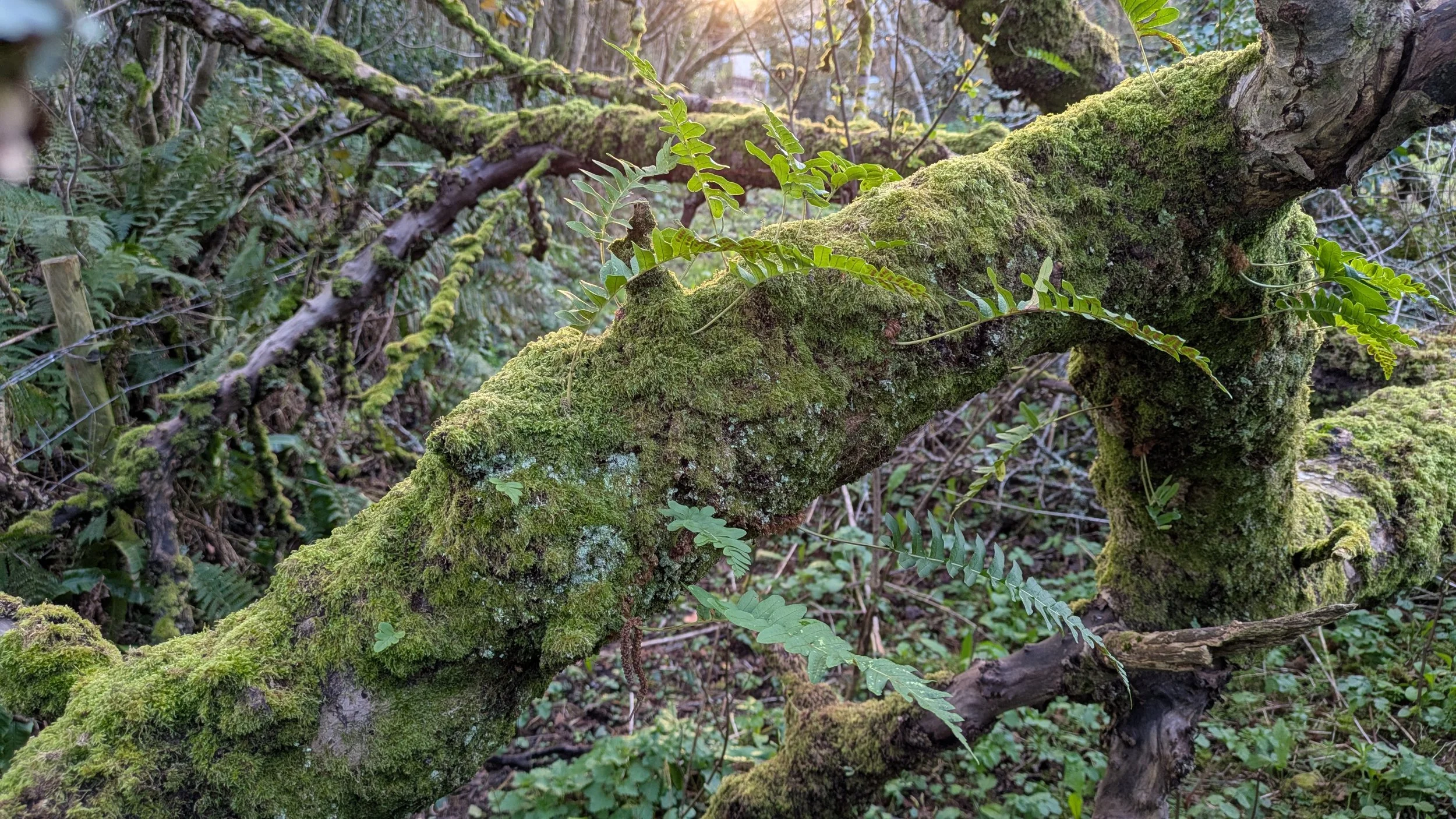
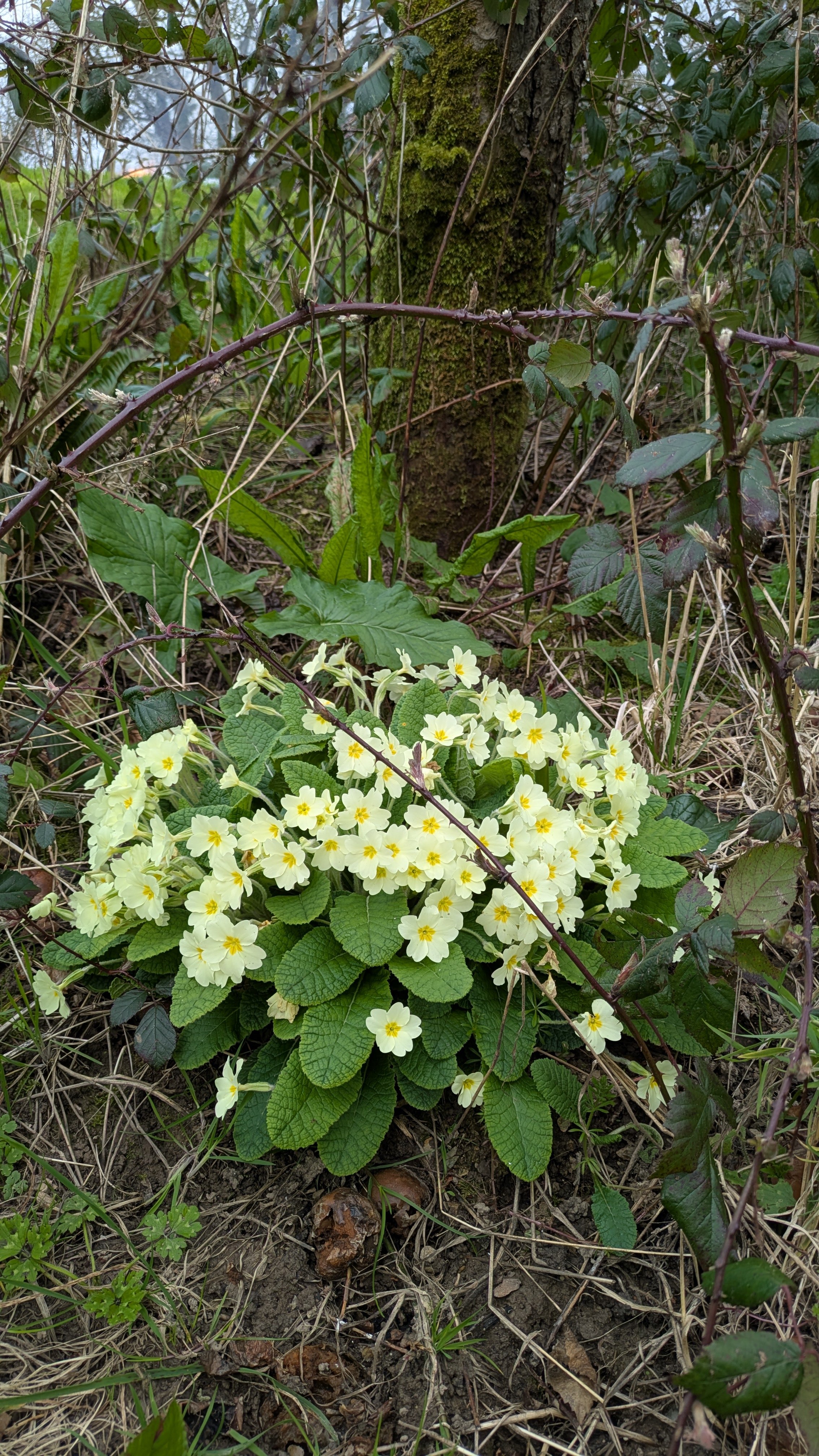
Autumn and winter are ruggedly damp as nature wrestles to maintain a temperate rainforest, spring is rich in flower and the summers are full of promise and the lure of a turquoise sea.
The
Name
St Veep’s remote past includes the 10 mile Iron Age earthworks of ‘Giant’s Hedge’; local folklore being “Jack the Giant having nothing to do, built a hedge from Lerryn to Looe.” It is thought to be the defensive boundary of an ancient Celtic kingdom.
The farm takes its name from this. It used to be called East Tencreek, without the ‘r’ after the ‘T’. ‘Tencreek’ is derived from ‘Keyncrug’, the combined Cornish words of ‘keyn’ + ‘crug’, meaning ‘ridge’ + ‘barrow/tumulus’, indicating a settlement on a ridge near a Bronze Age mound. The ‘r’ was added early last century purely to differentiate it from its sister farm, and it stuck.
The
Monastic
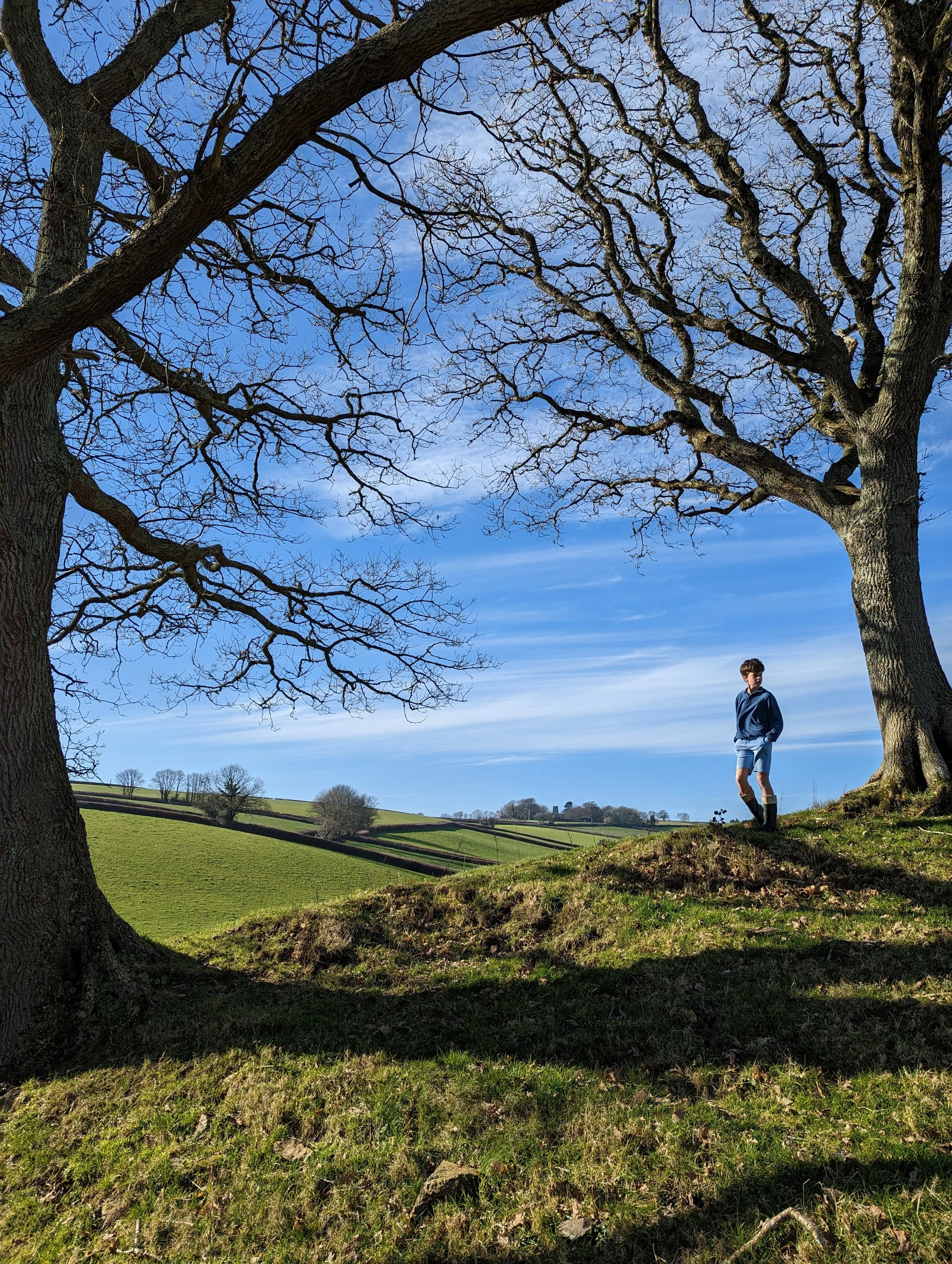
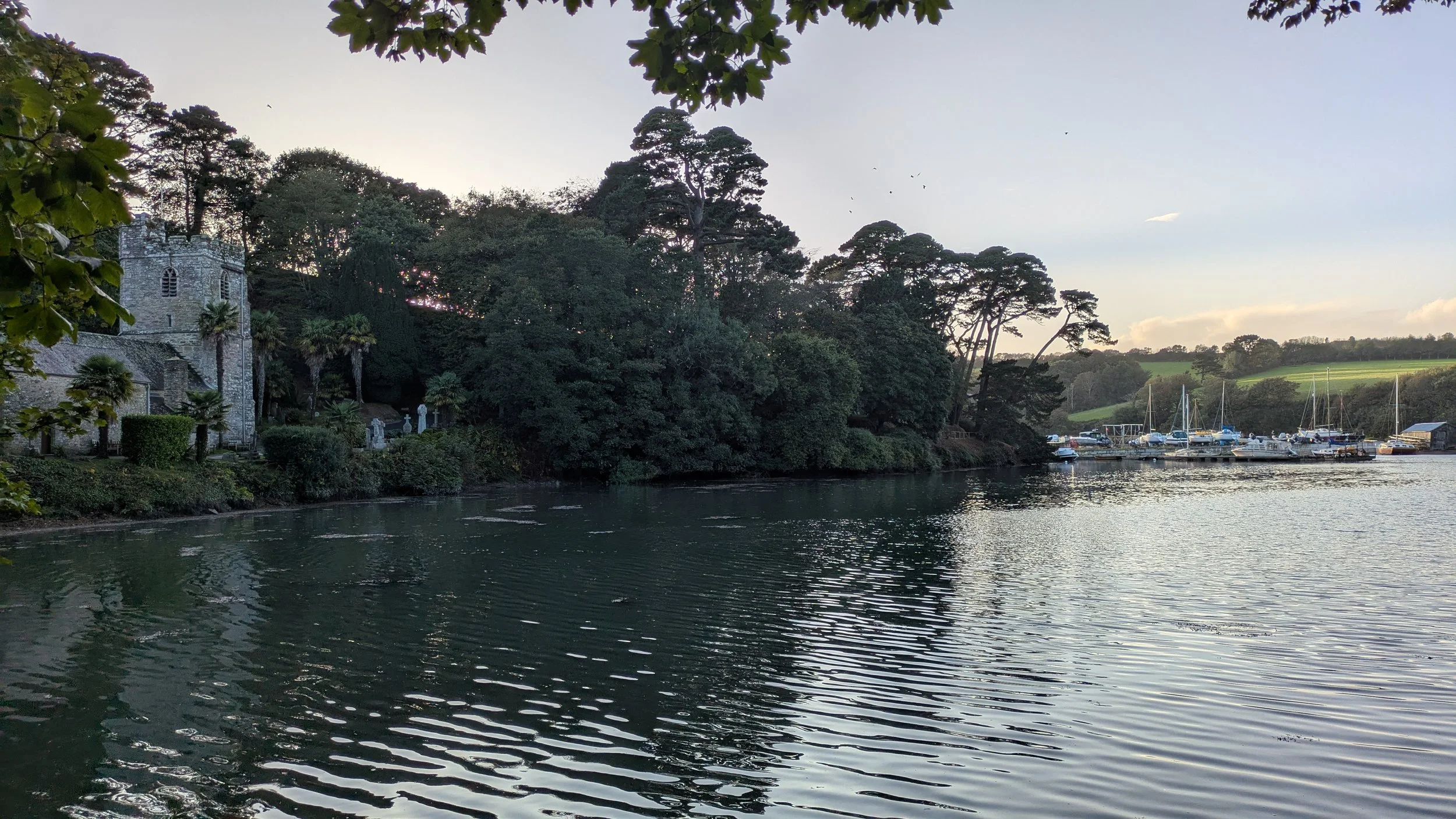
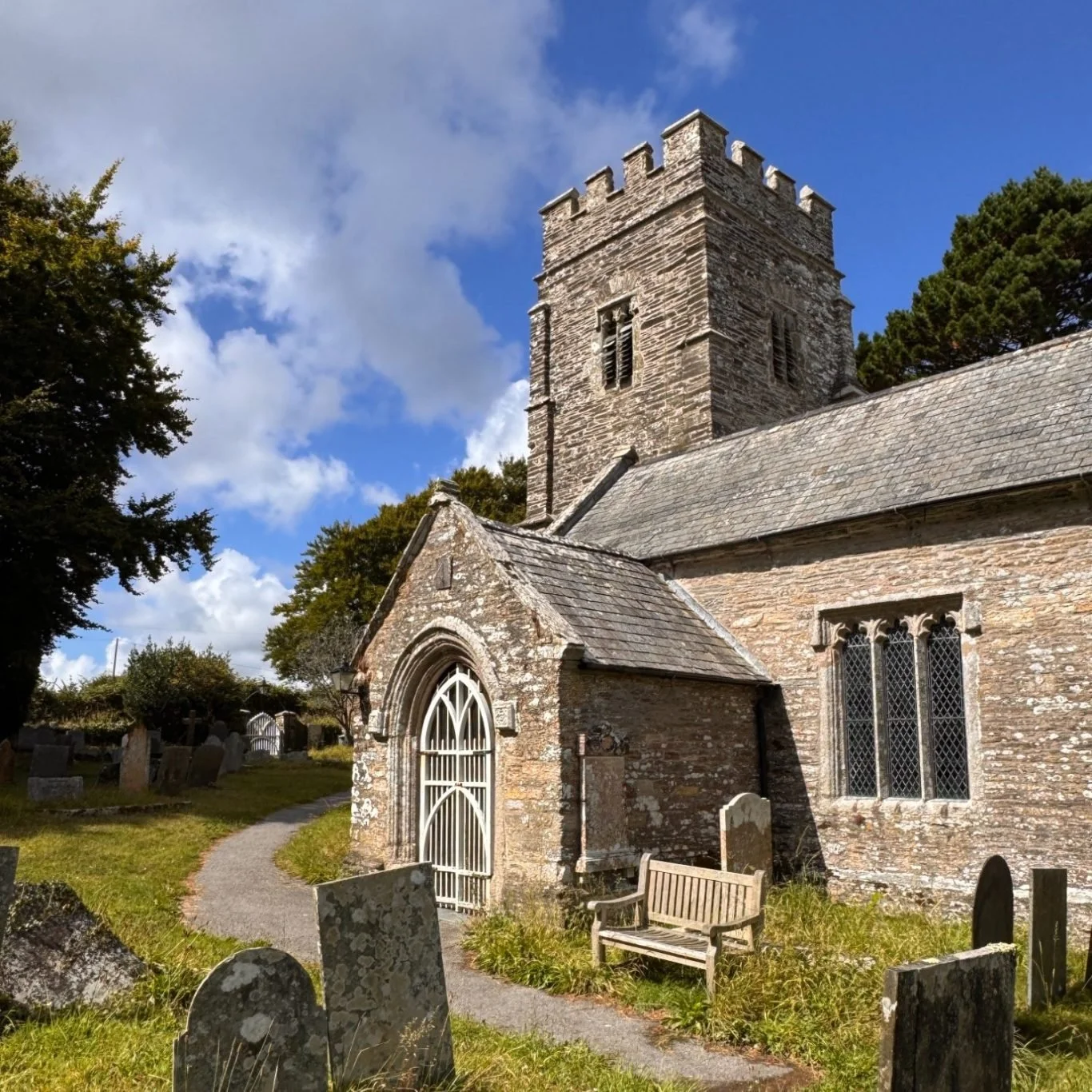
Medieval features litter the landscape, most notably St Veep’s church of St Cyricius and St Julitta, which can be seen throughout the farm as its stands watch from the hilltop.
Prior to 1150, St Cadix’s priory was built beside Penpoll Creek nearby, of which little now remains. The hermits of St Veep, St Cadix and St Sampson’s (across the water) likely would have seen one another’s fires at prayer and heard one another’s confessions.
It is a place deep in monastic and mystical heritage. A thousand years of communal worship echoes through the landscape, as does the charm of the church bells every Thursday evening.
The
Farming
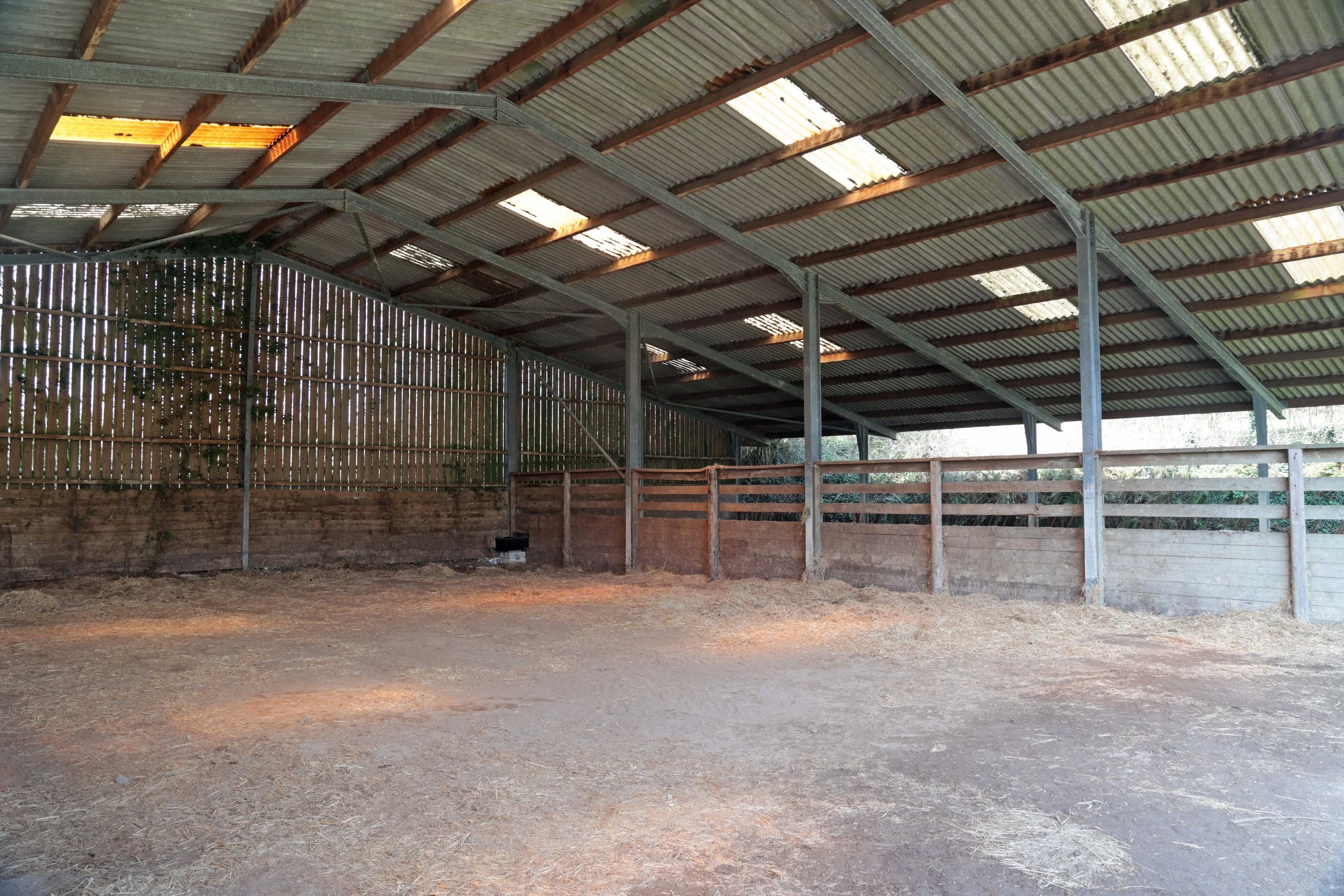
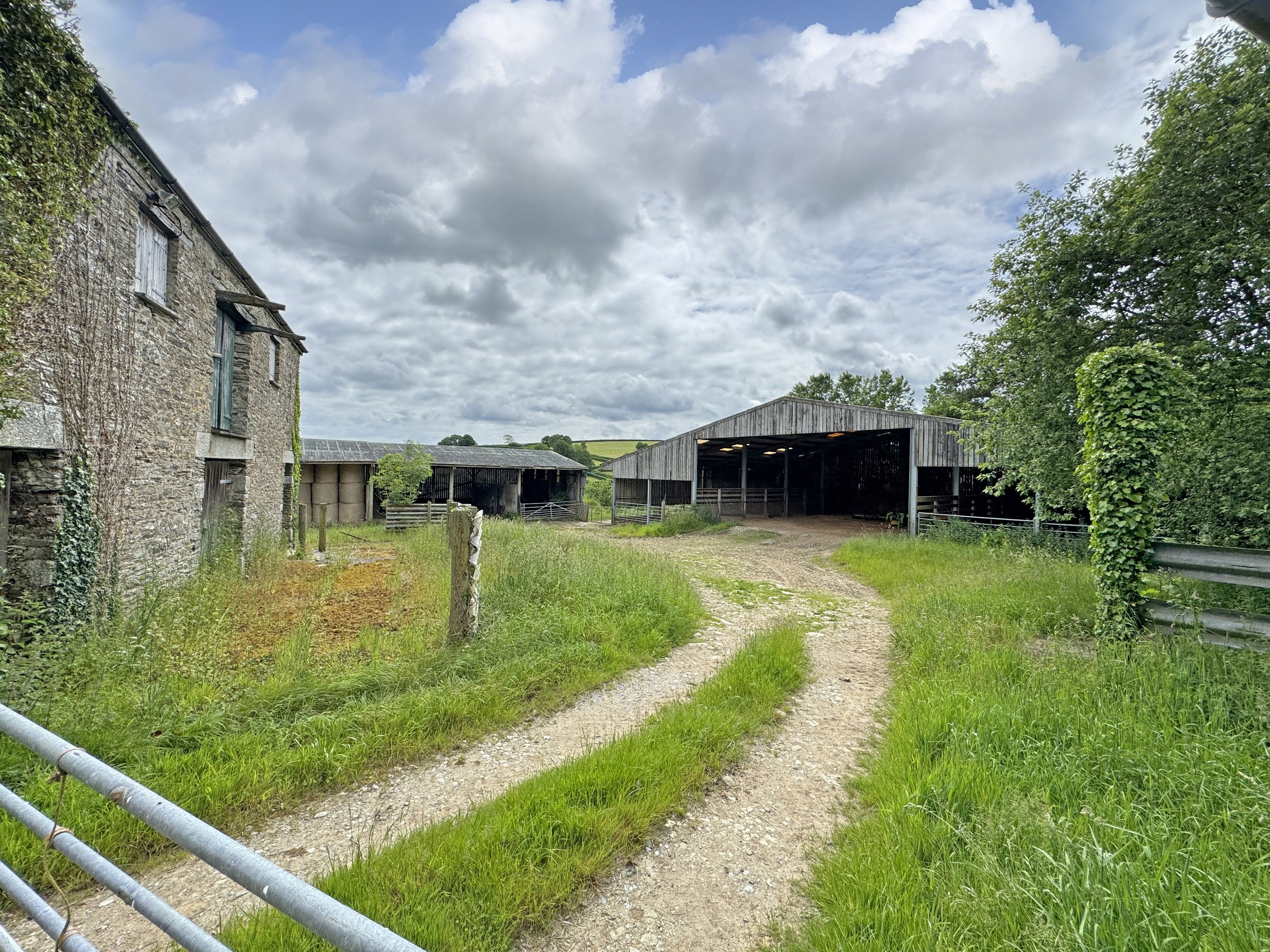
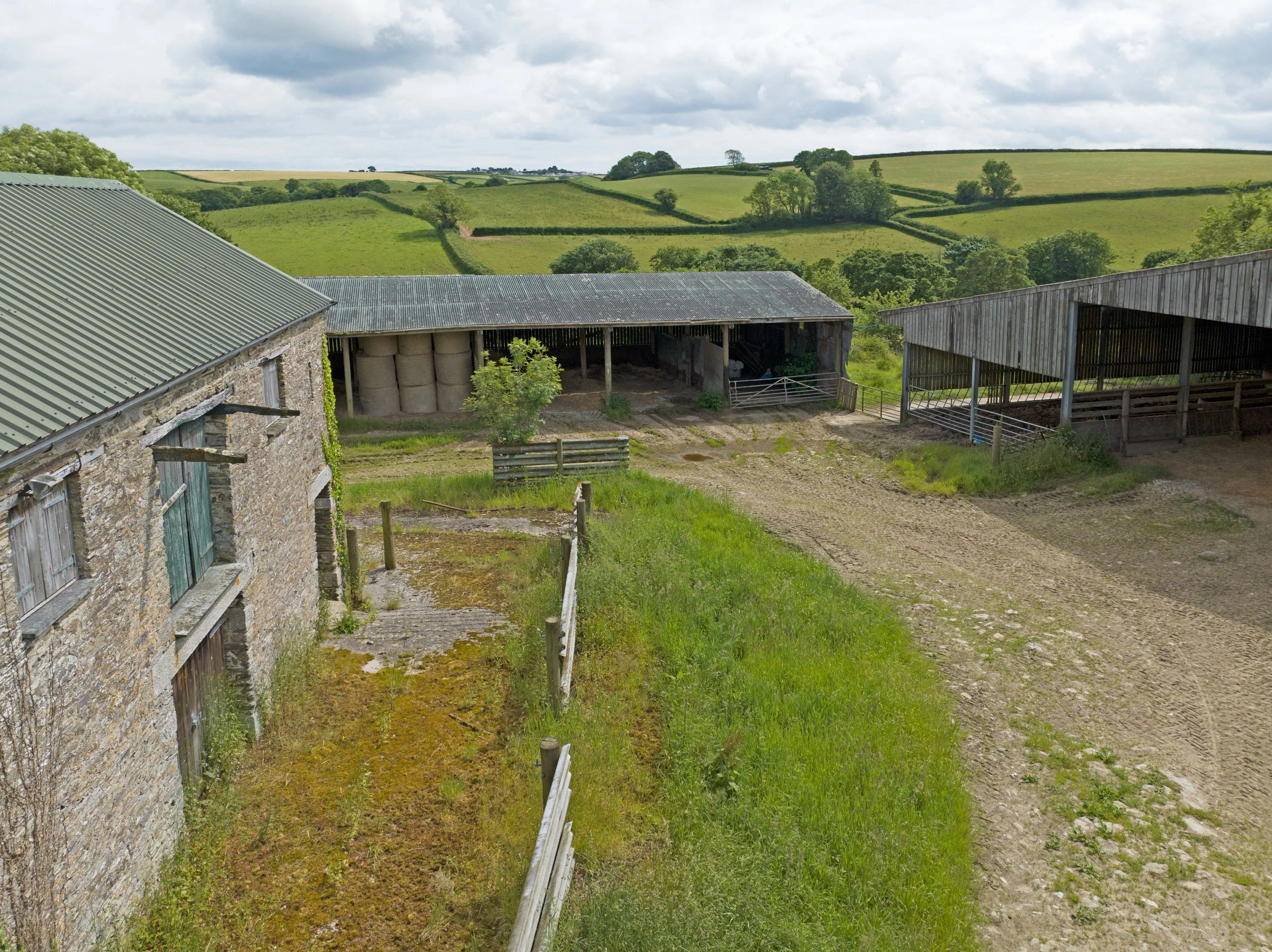
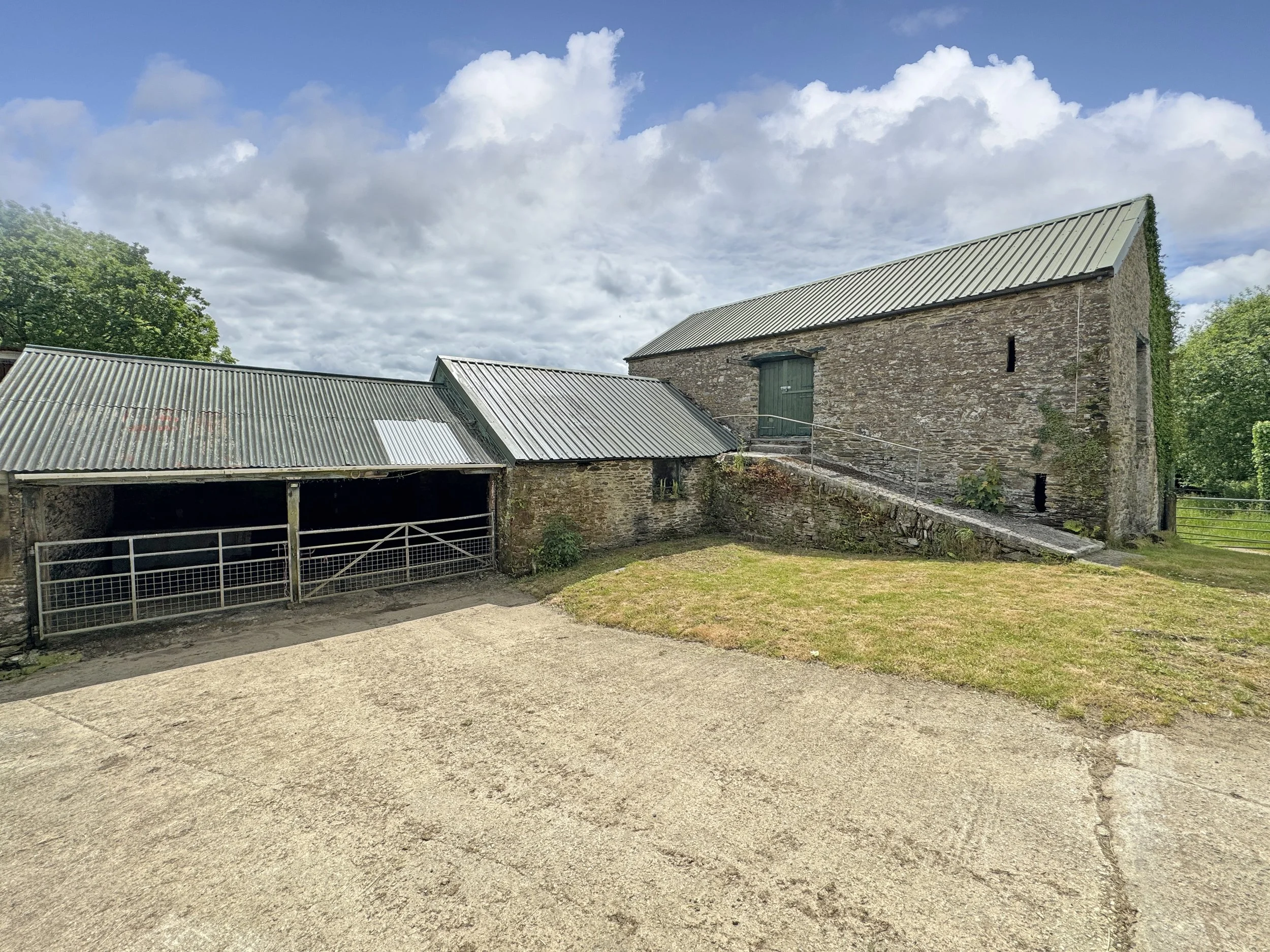
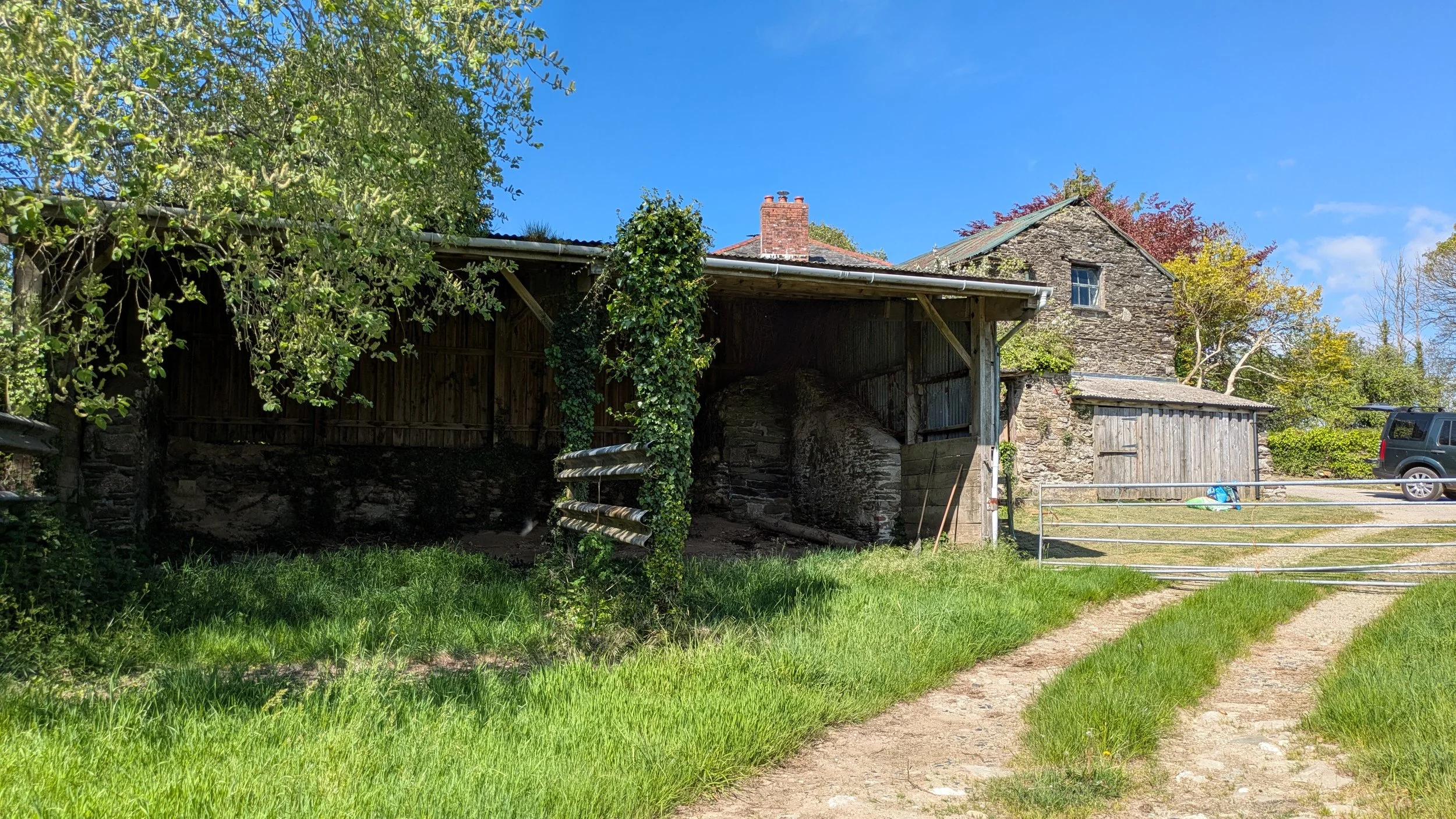
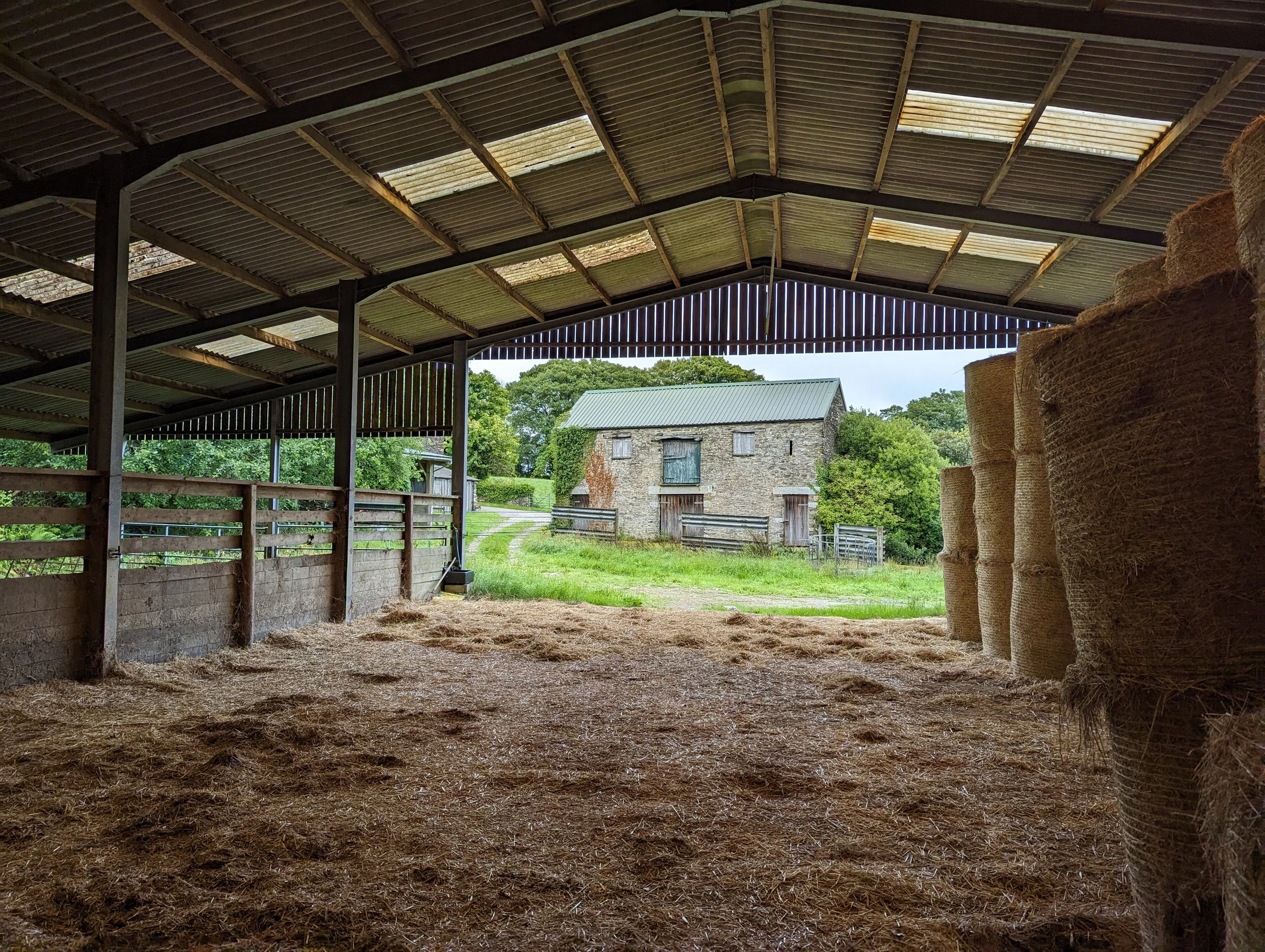
Most of the land is farmed by two local families who have been actively present here for generations.
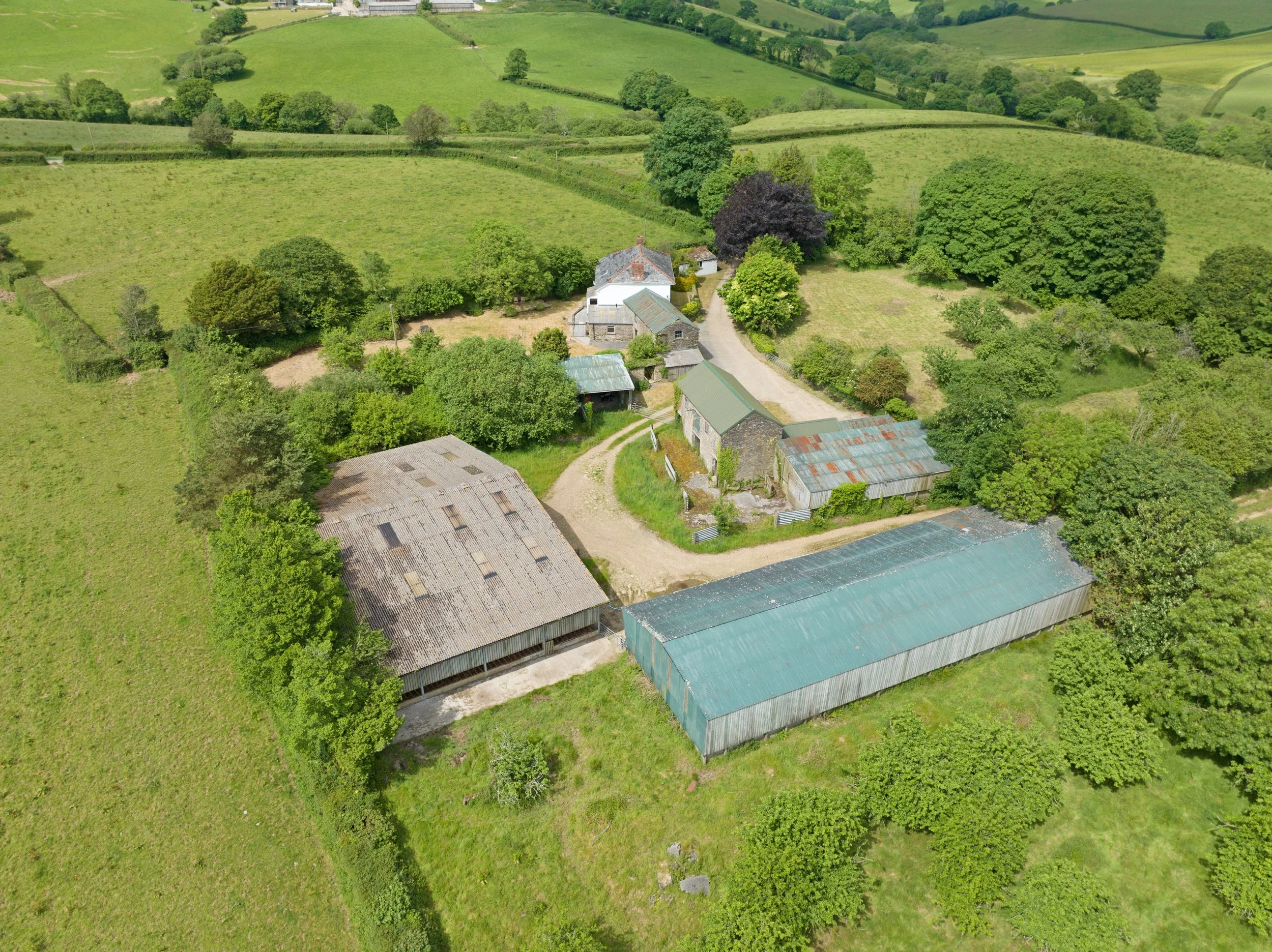
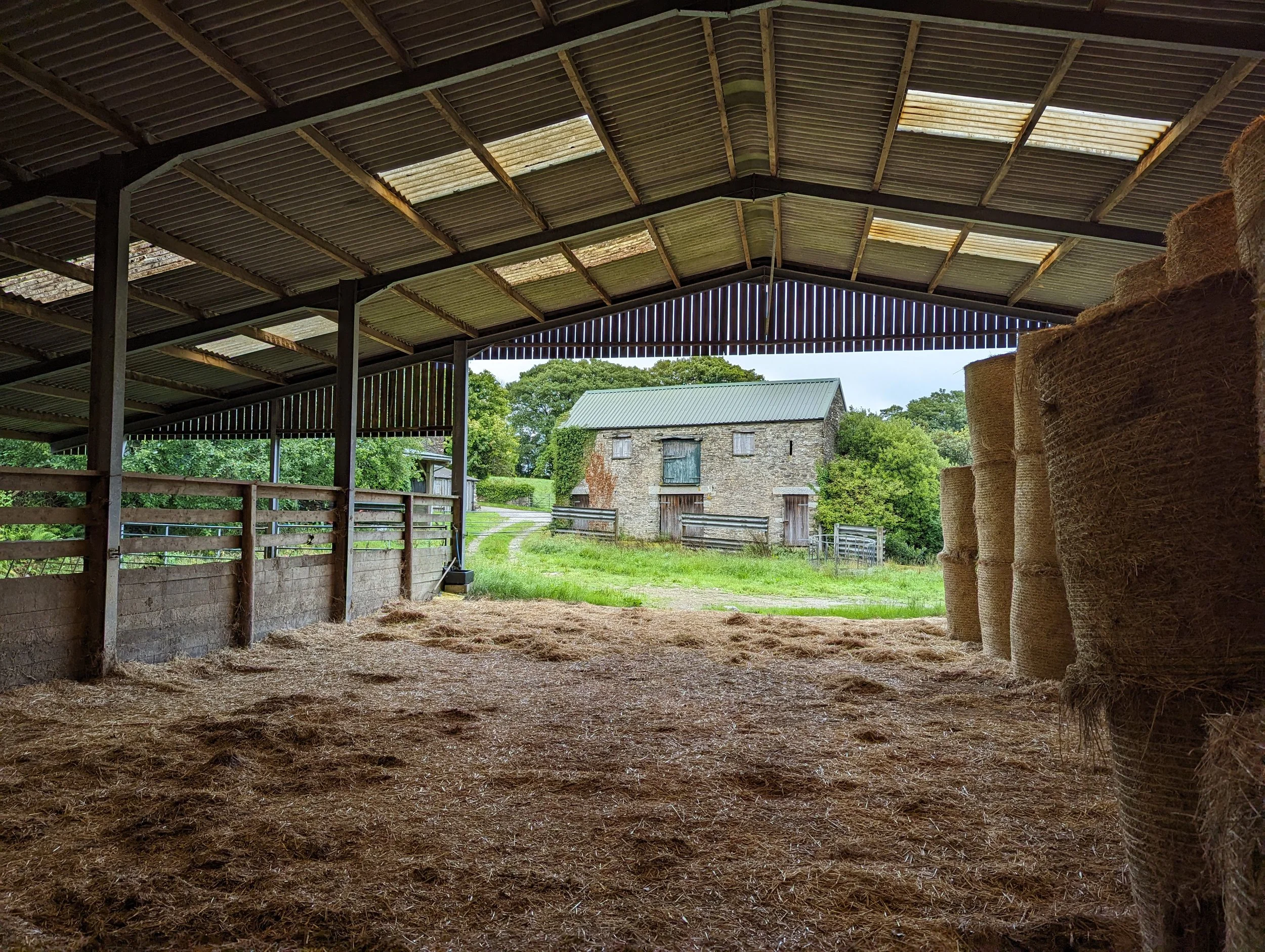
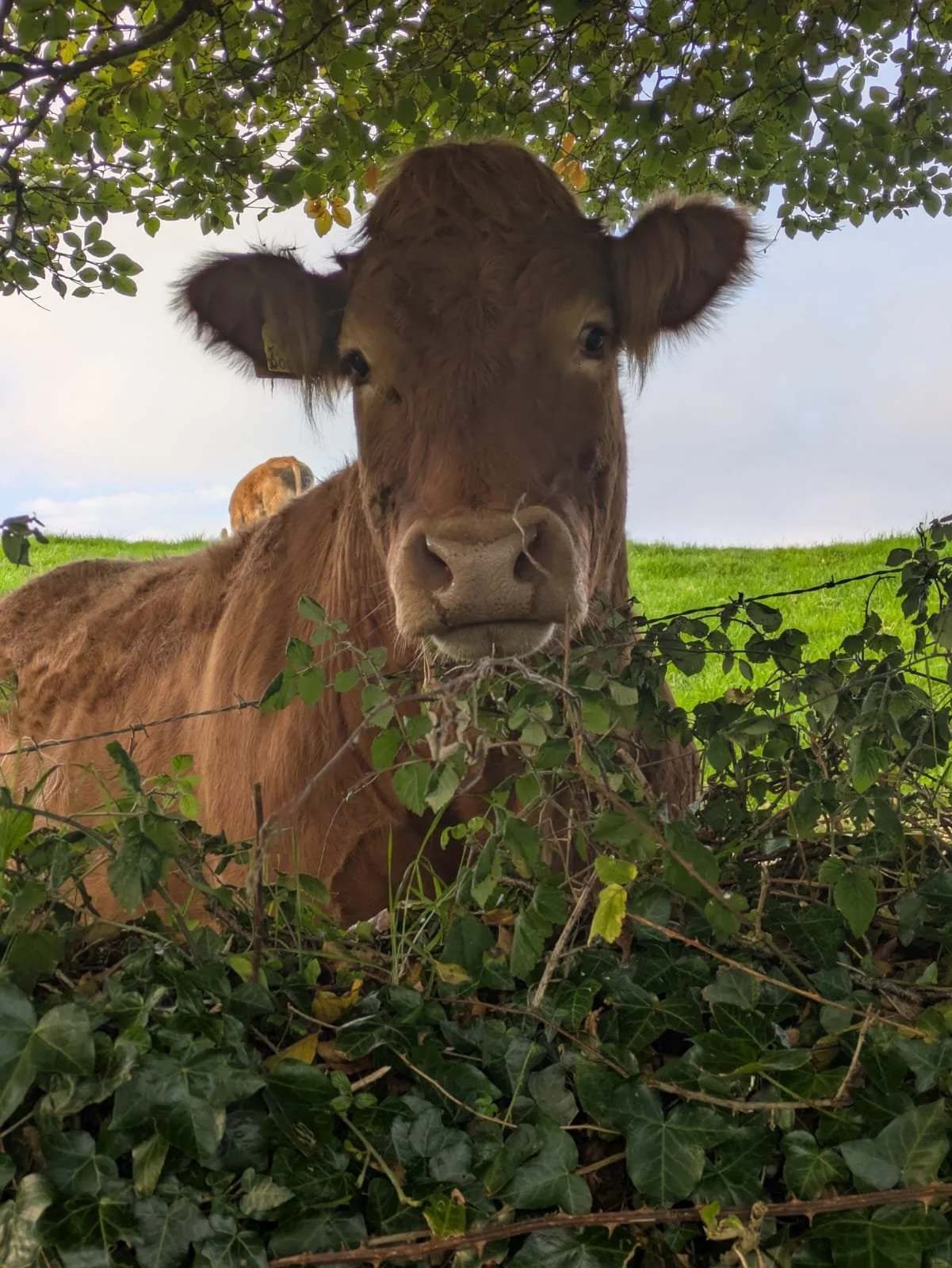
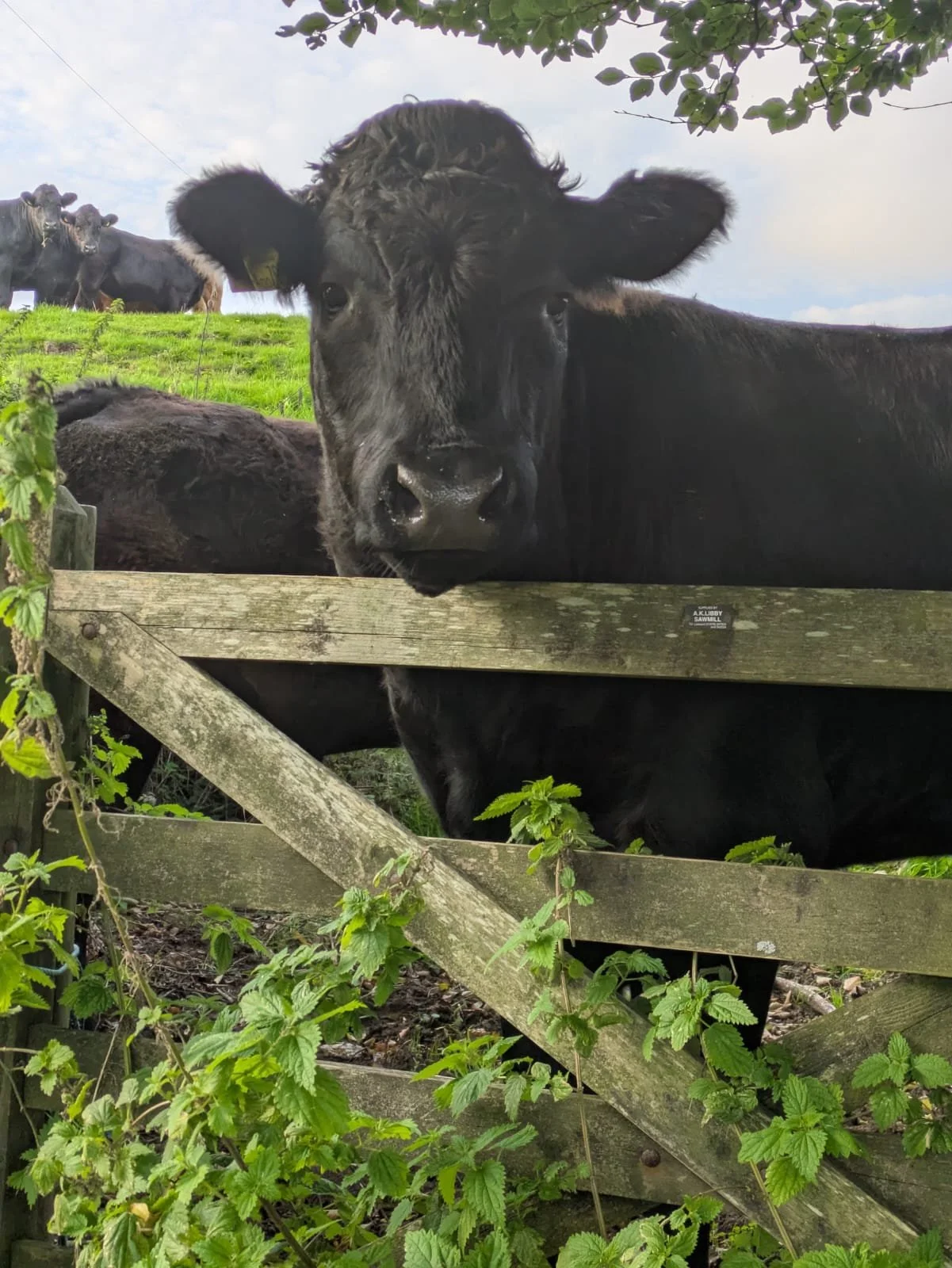
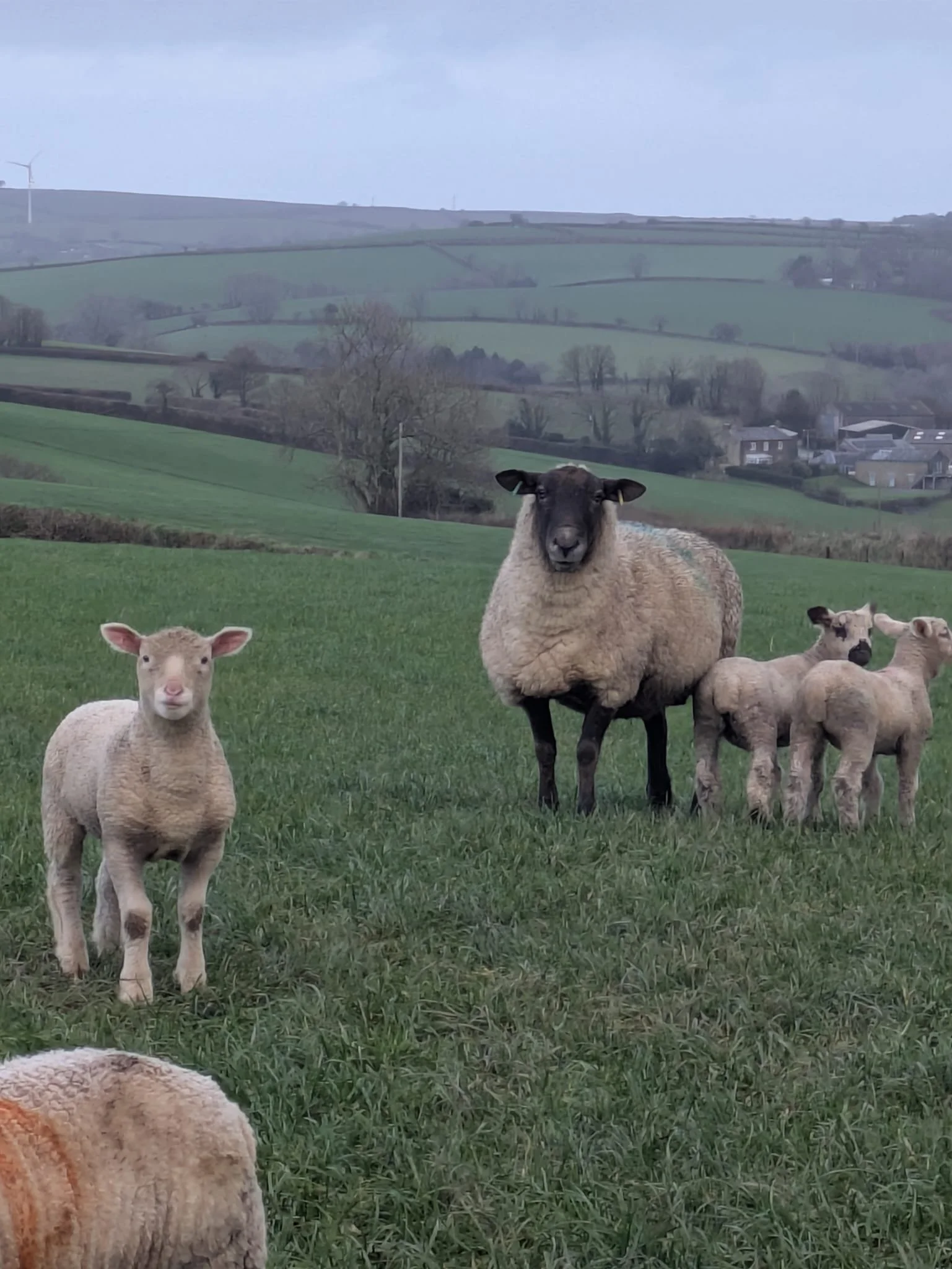
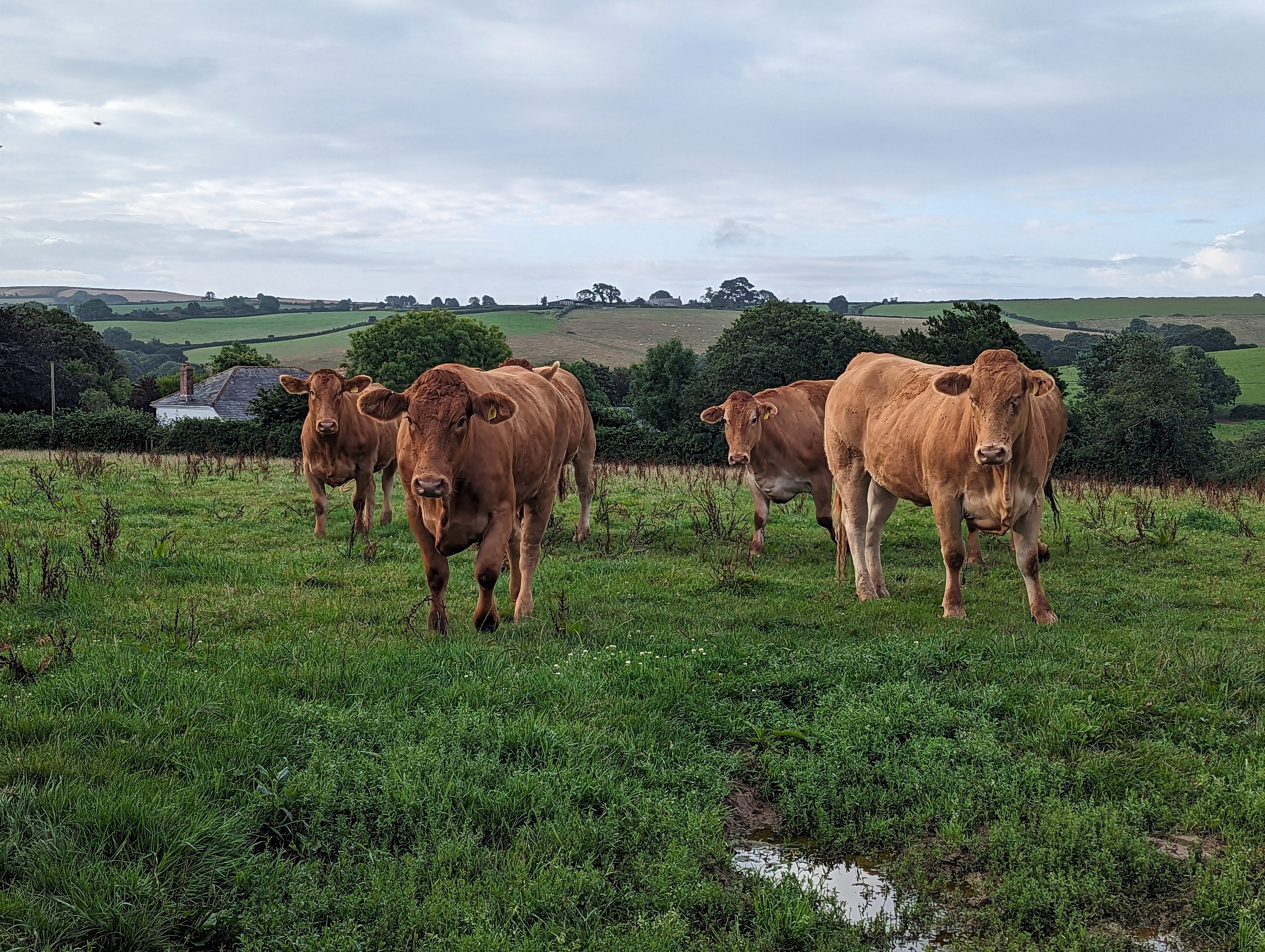
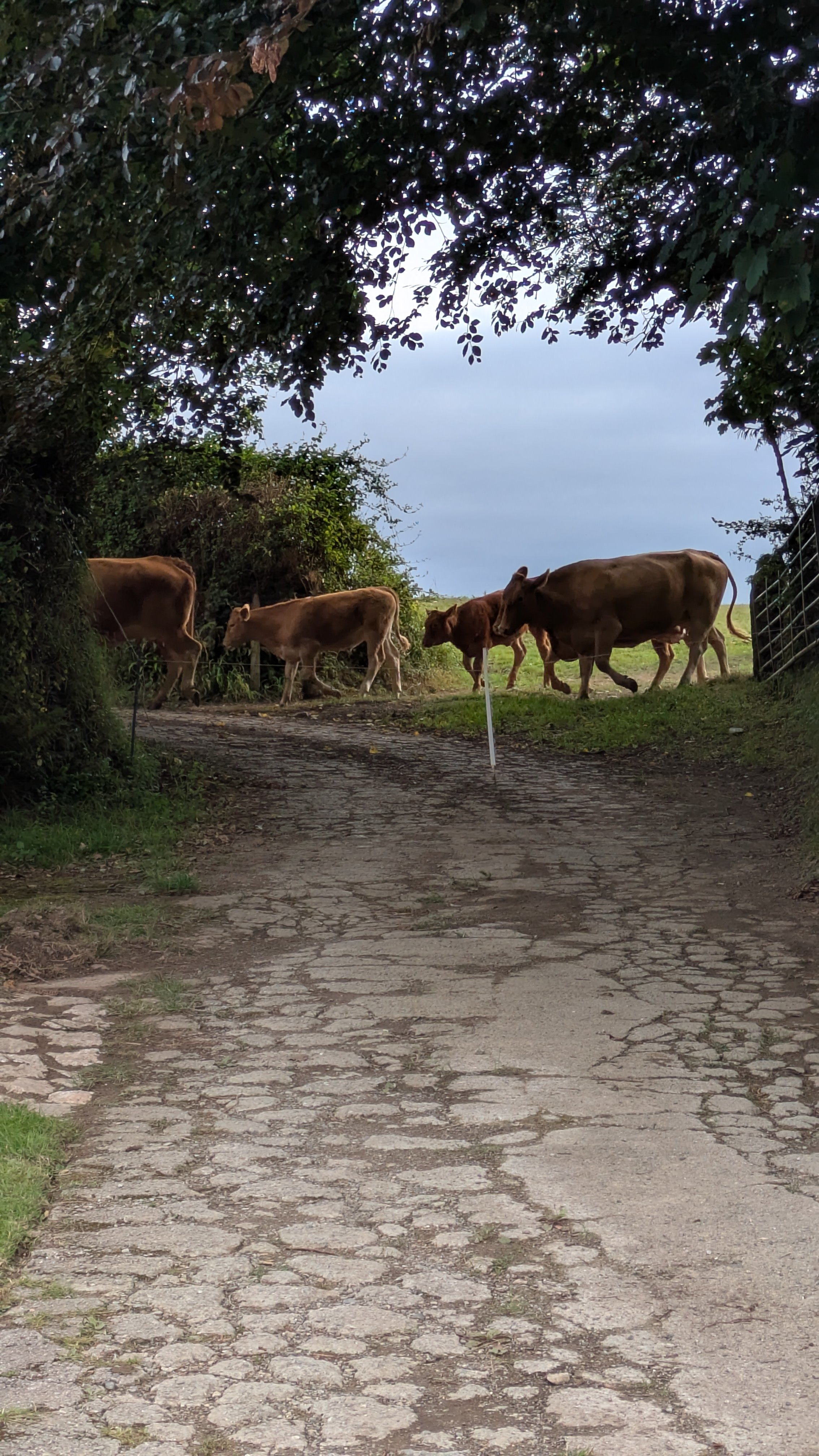
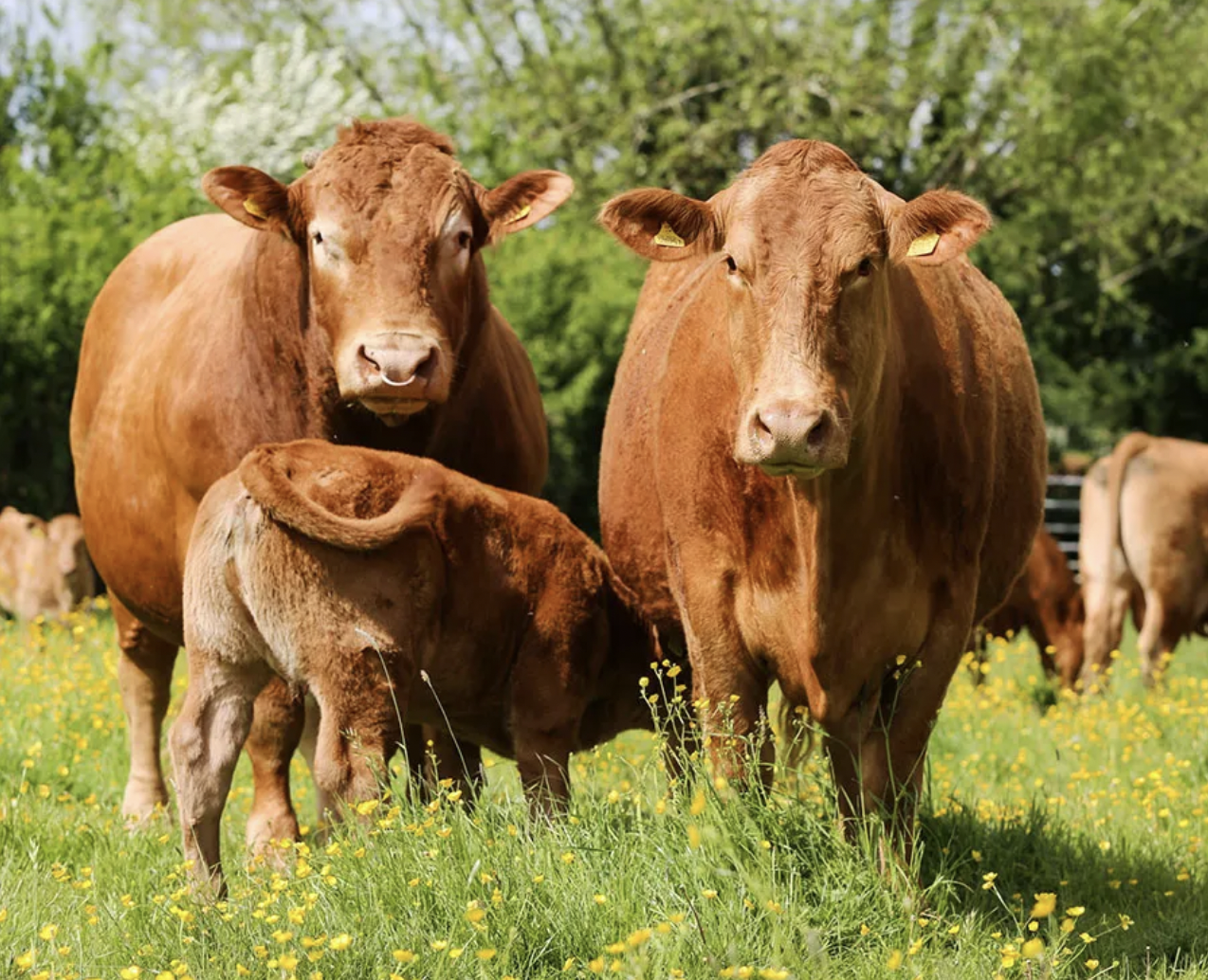
East Trencreek is mostly used for the raising and rearing of South Devons, along with some sheep, grass and crops.
South Devons are a beautiful and familiar sight across Cornwall with its distinctive, light red coat. Originating 400 years ago, it was used for the plough, beef, rich milk and butter fat.
They were trusted at key historic moments, including being aboard the Mayflower to plant a new colony in America and meeting the needs of the British Navy during the Napoleonic Wars. Today they are more a specialist beef animal.
The
Orchards
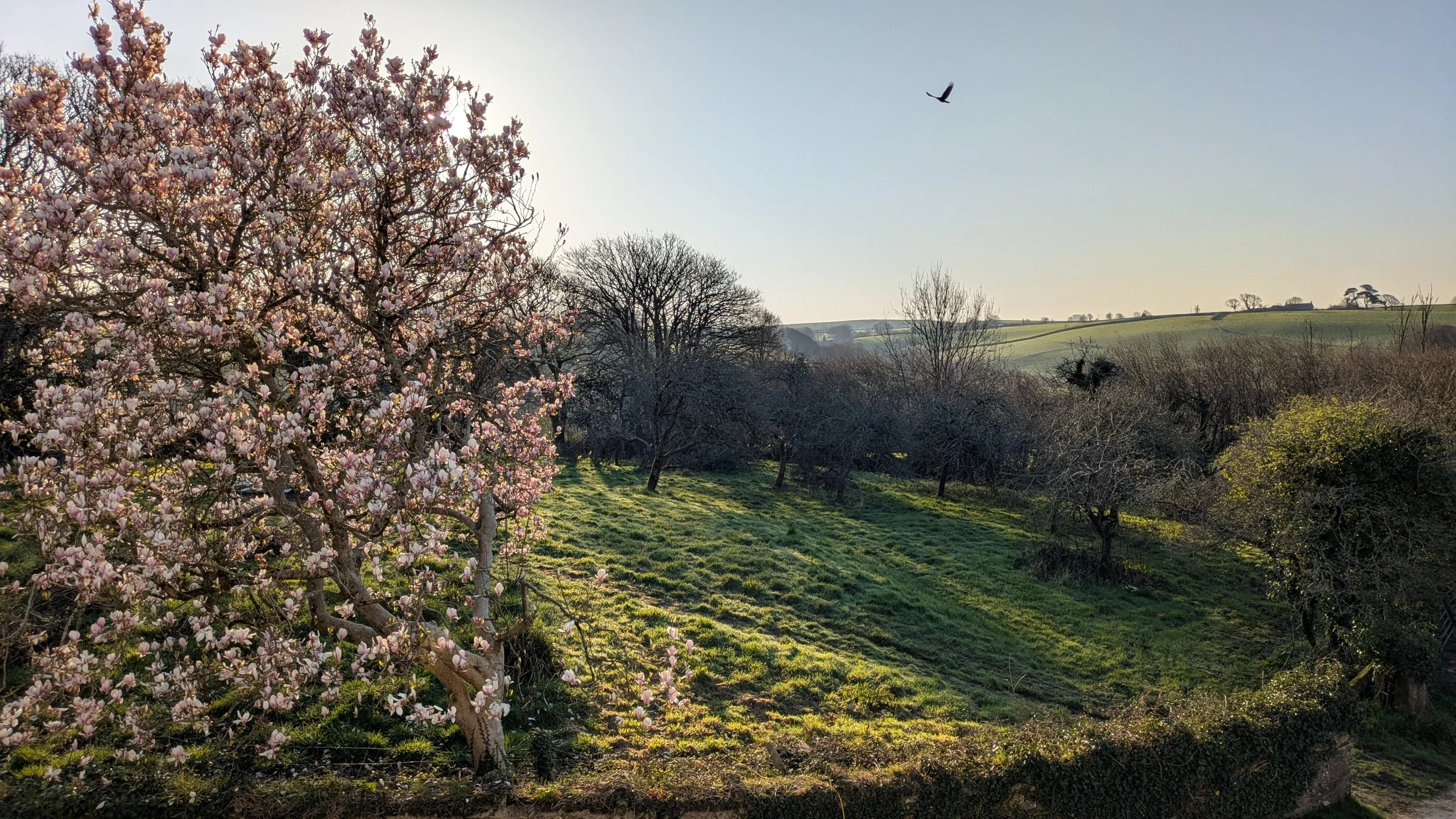
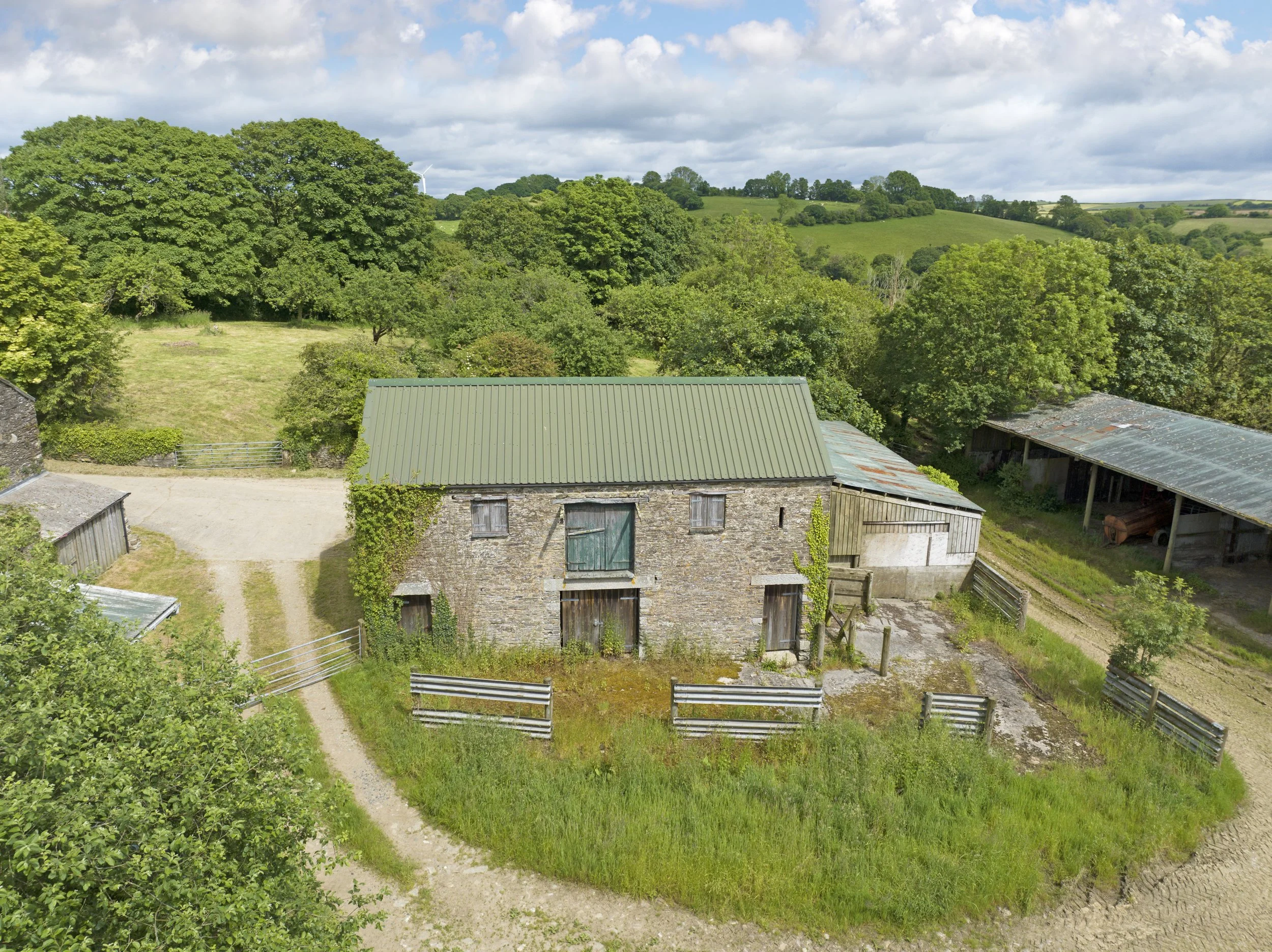
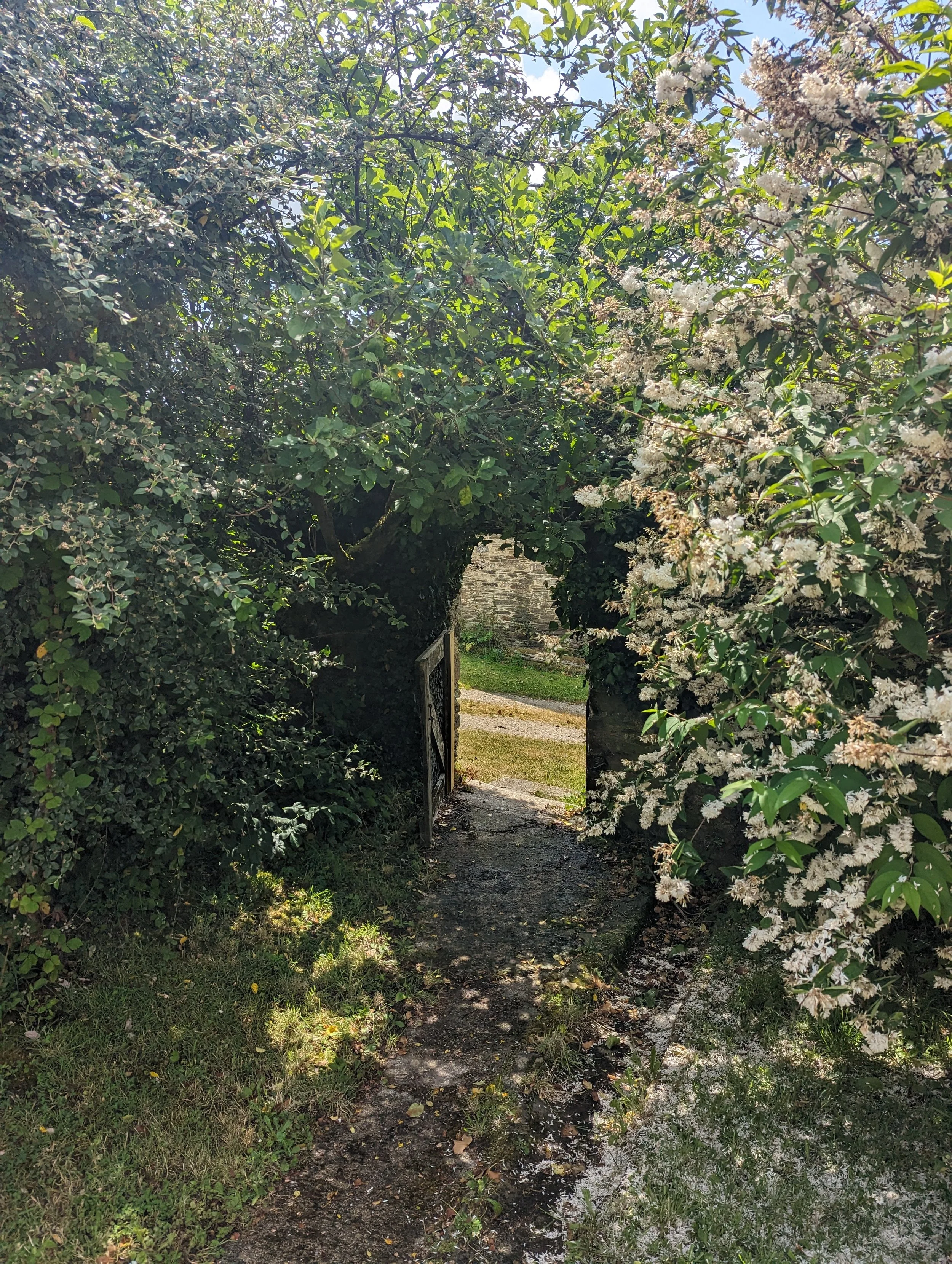
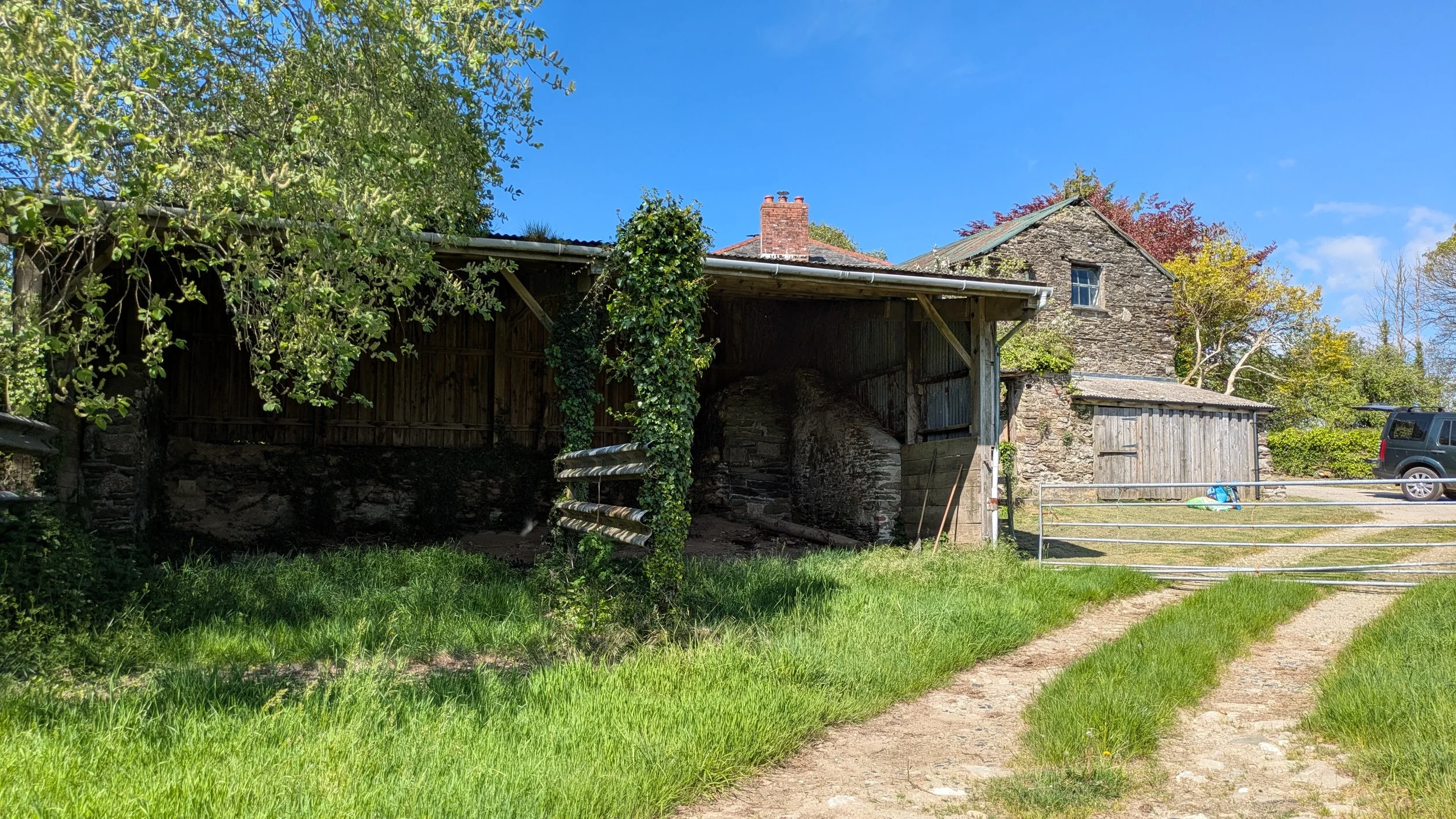
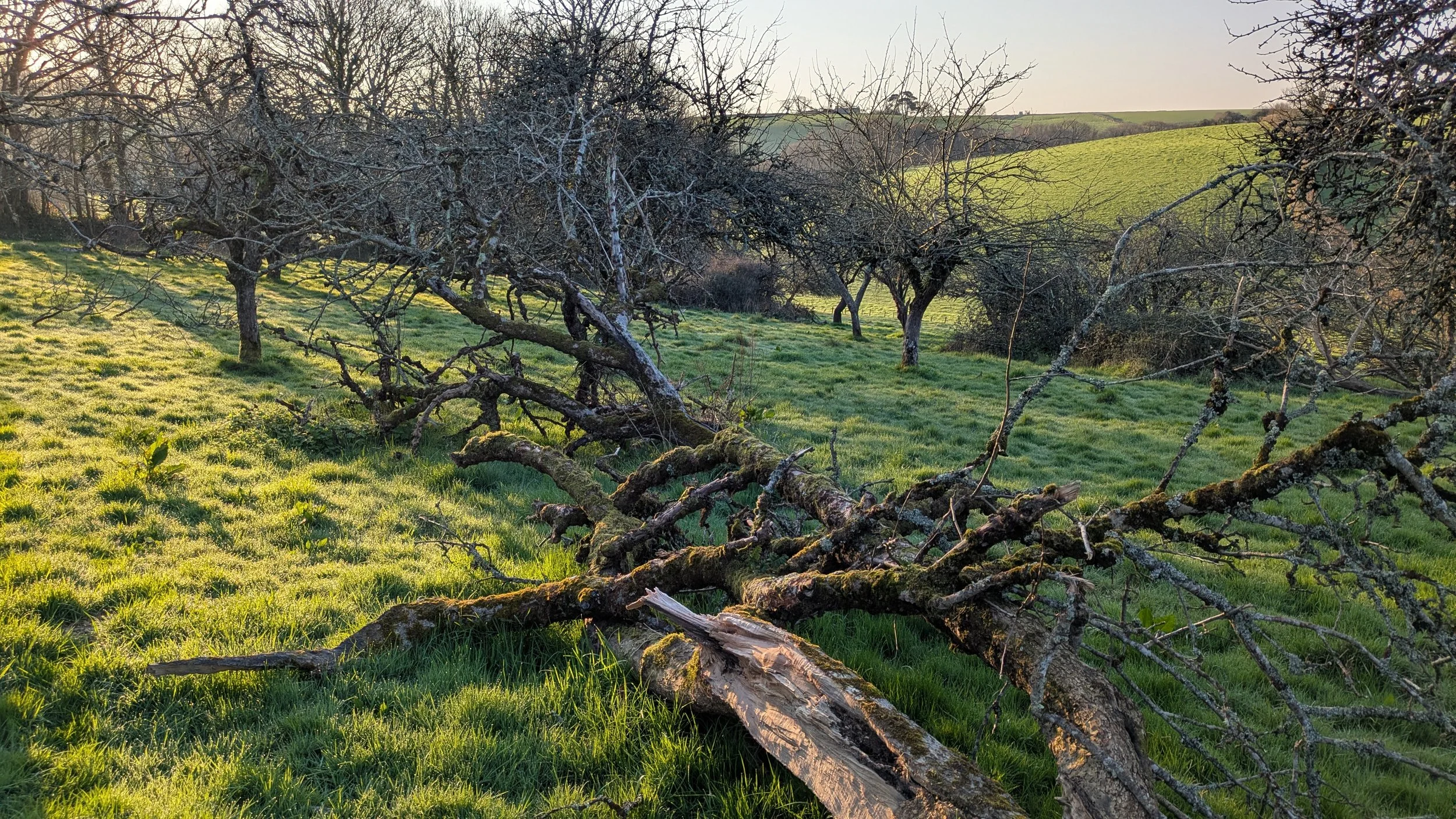
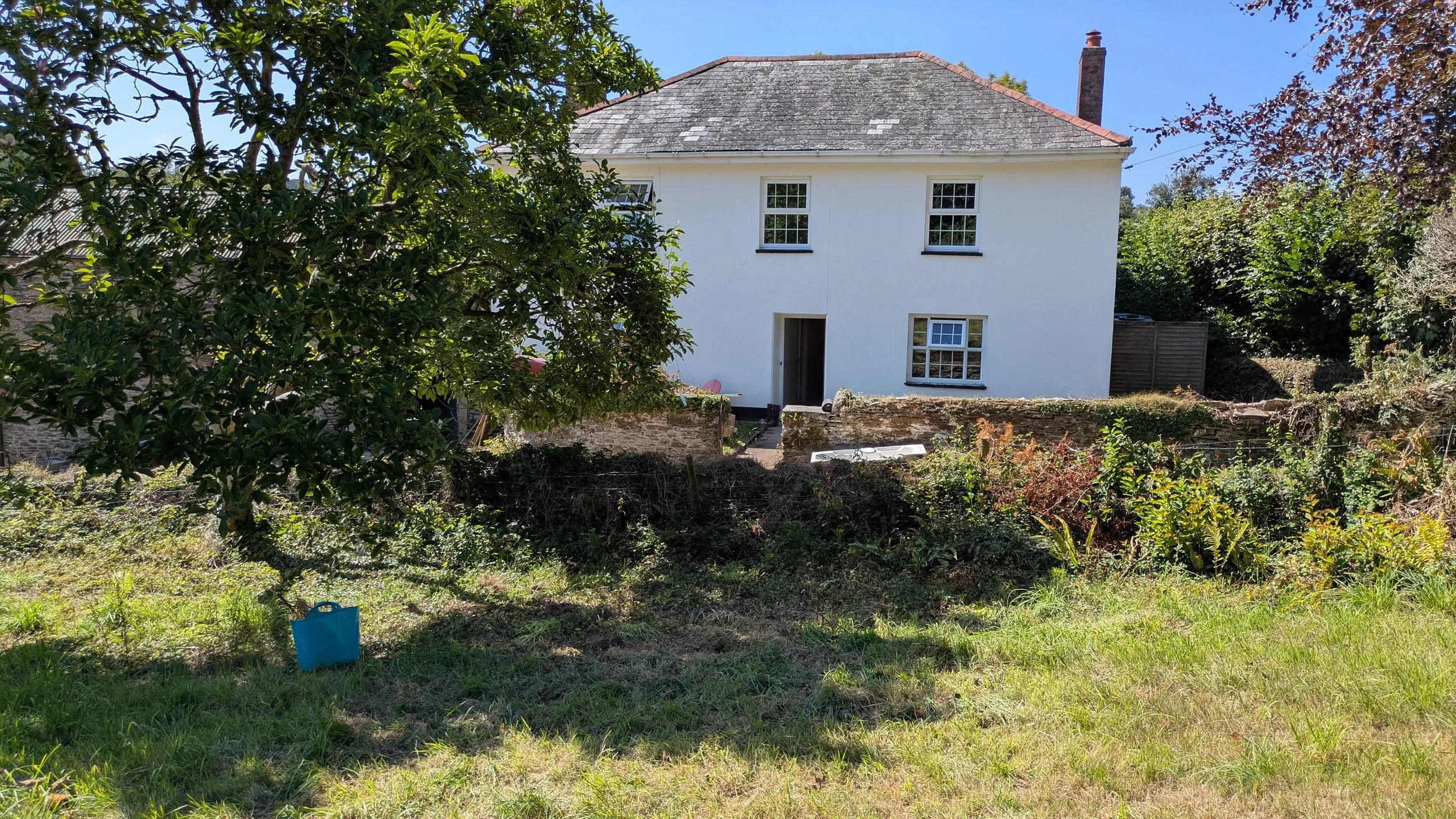
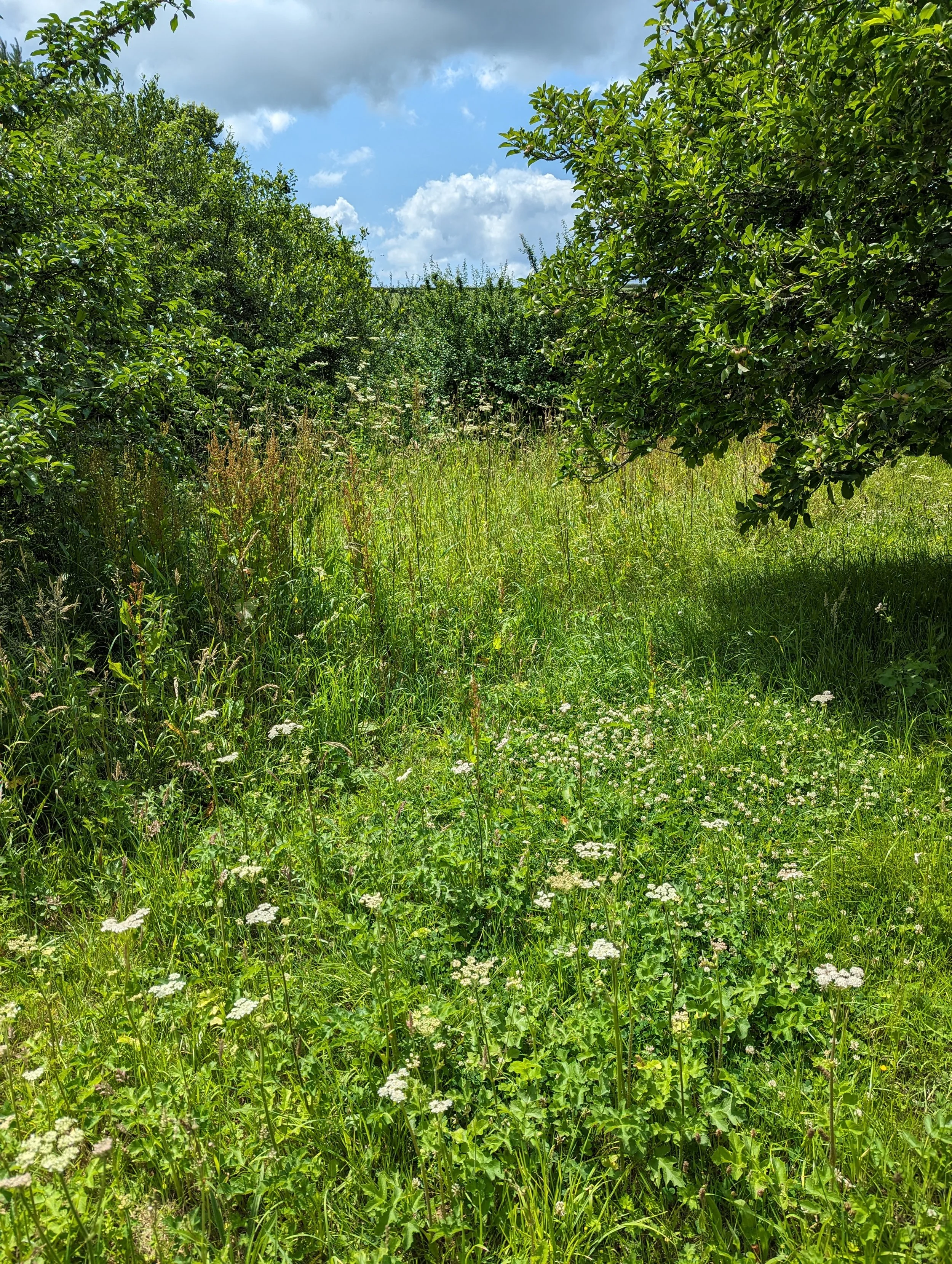
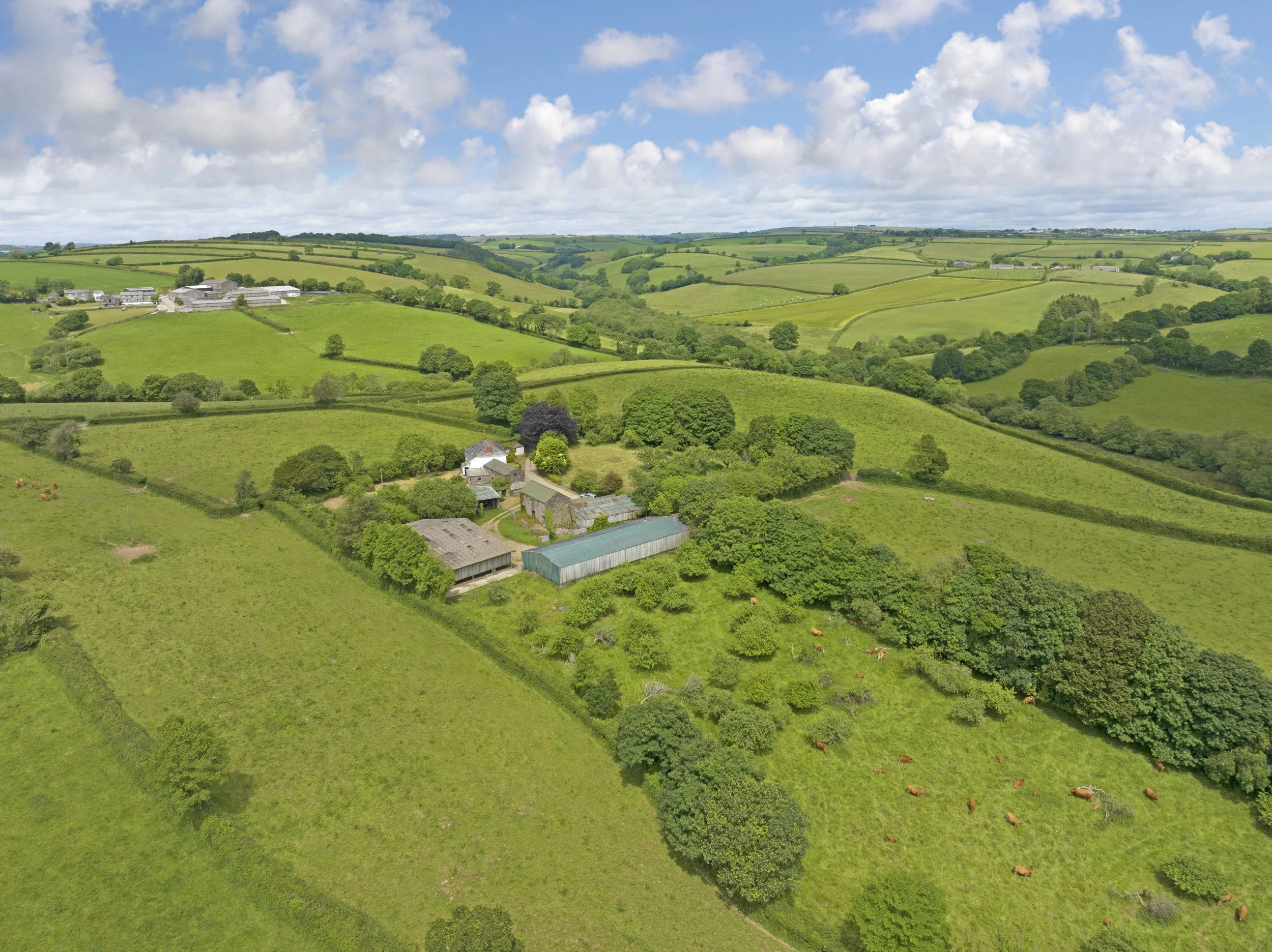
The house and farmyard are surrounded by three orchards of varying sizes. This is commonplace in Cornwall where cider is a long serving tradition and blessing.
Over the years they have fallen out of best health and are in need of restoration. Recent storms have also taken their toll. We have embarked on a universal identification, management and replanting process, albeit identification is a challenging process. Replanting, using a traditional method of taking samples from the other trees has already begun.
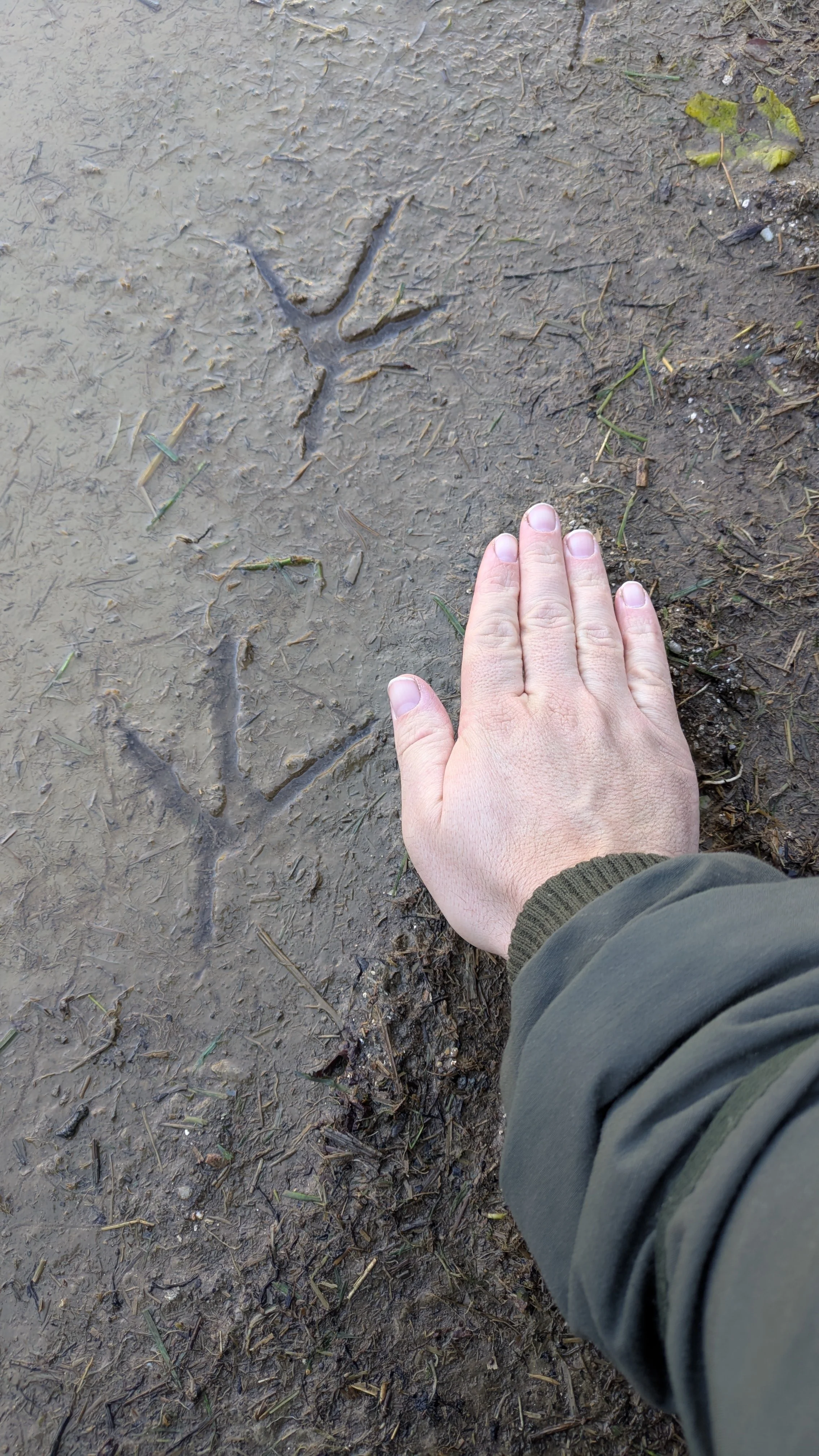
They accommodate a number of roe deer that call the farm home.
Trebant
Water
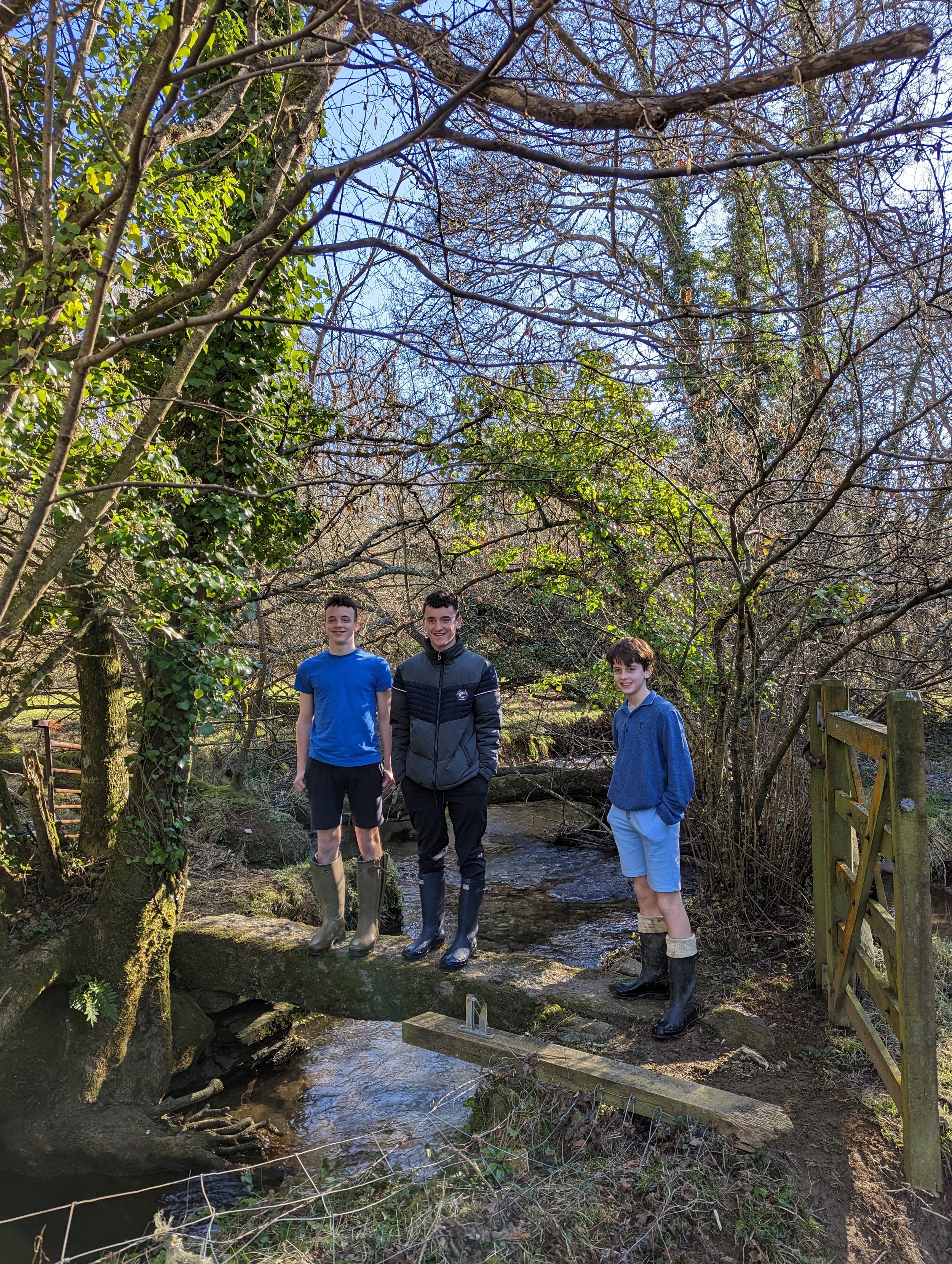
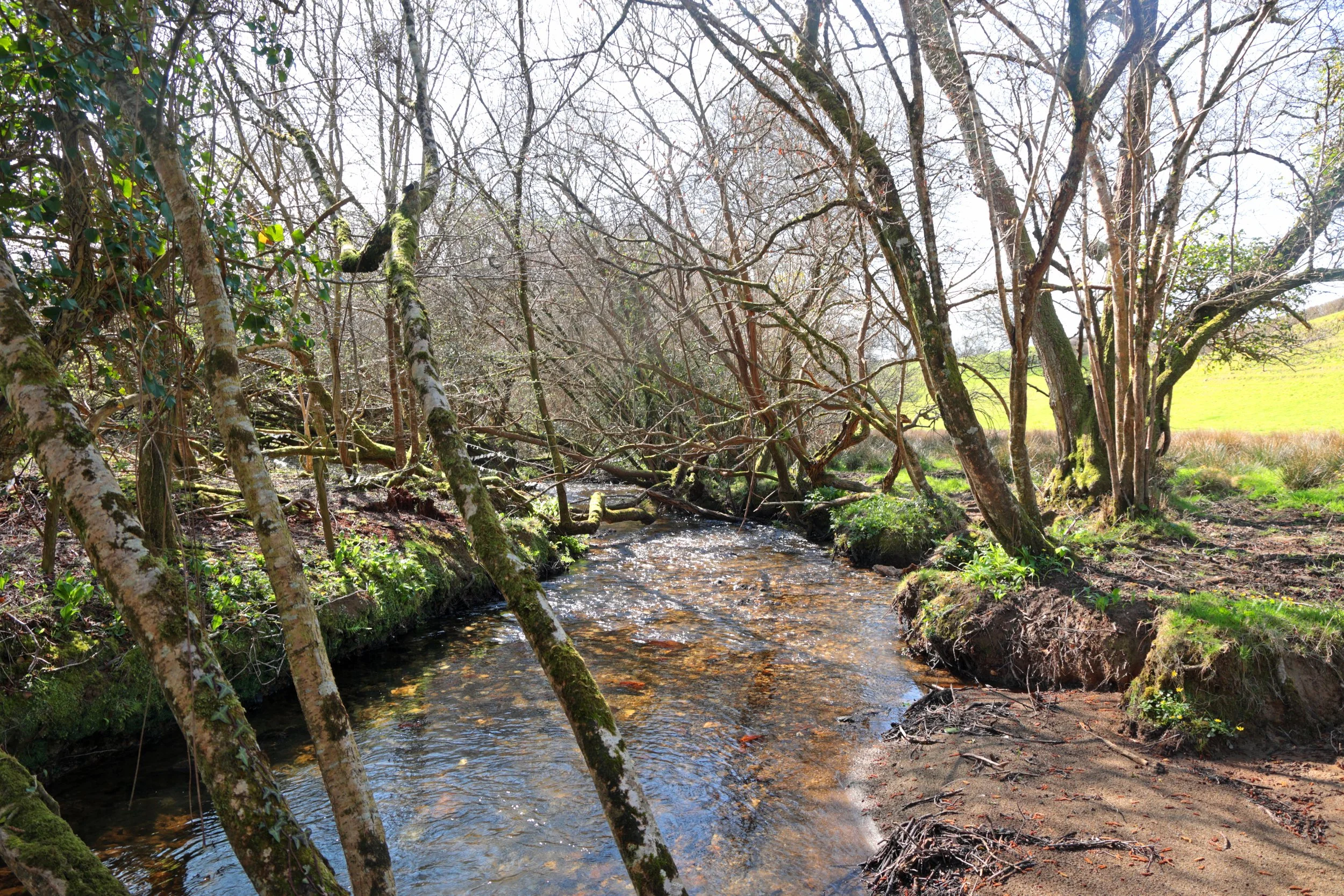
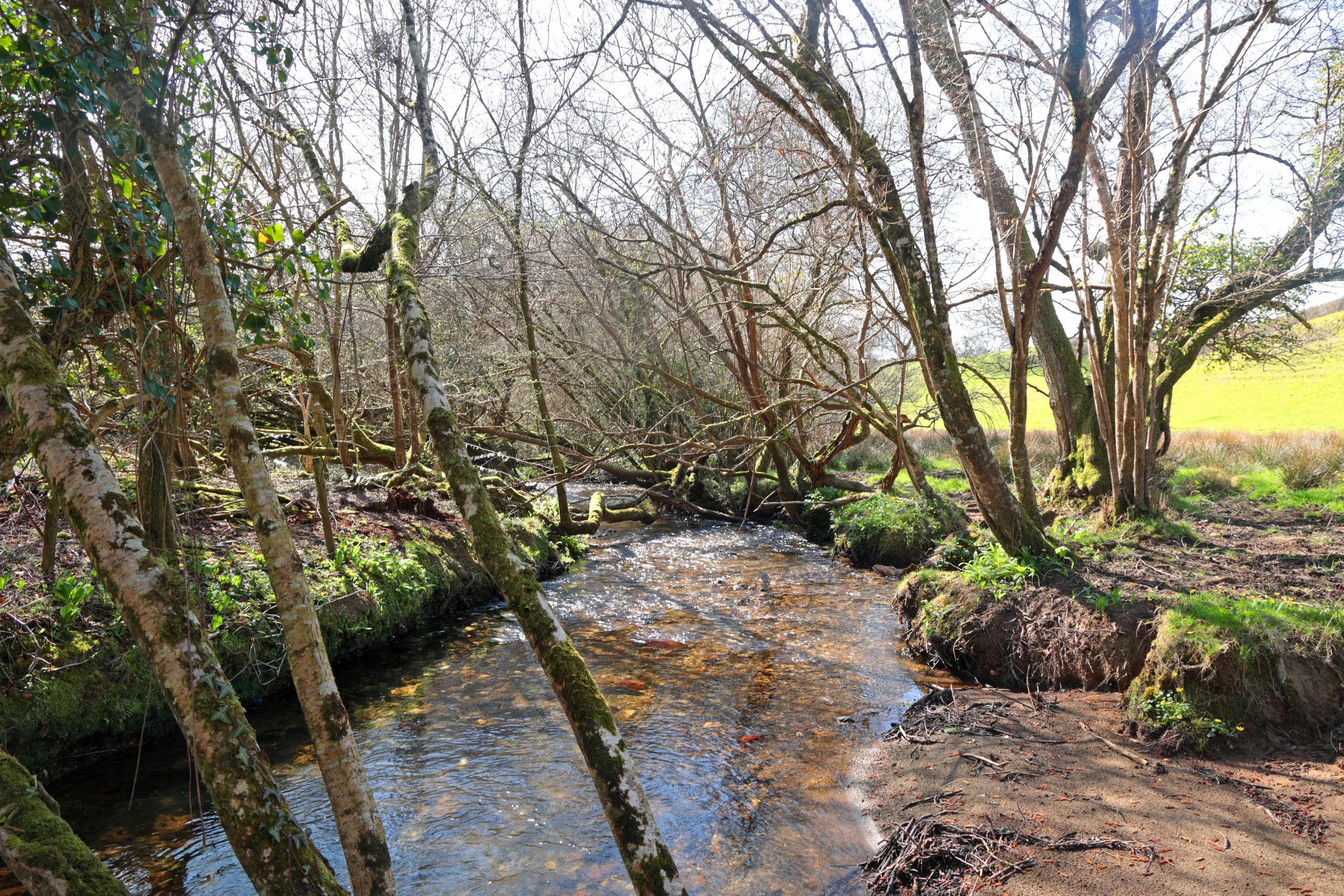
Along one boundary is Trebant Water, an 8km stream flowing from the neighbouring estate of Boconnoc down into the creeks of Fowey Estuary.
It is both charming and historic. Its significance traces back centuries with Trebant Bridge, a graceful stone structure with a single round arch and granite dressings, first documented in 1613.
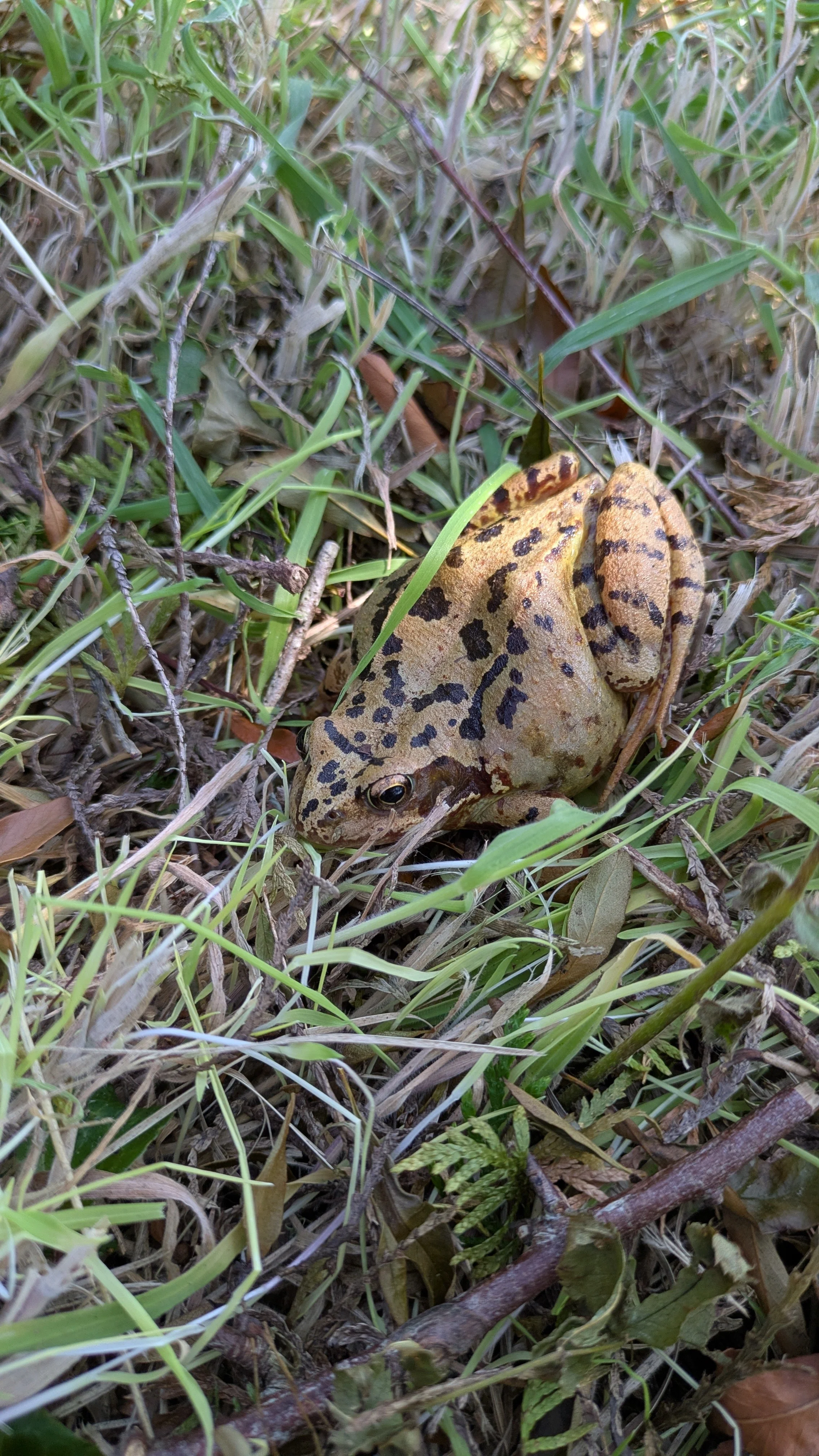
This unspoiled waterway supports a rich biodiversity through a mosaic of wooded valleys, meadows and farmland. It is a vital habitat for a plethora of species typical to Cornwall's freshwater and estuarine ecosystems.
+ Polgreen
Farm
Whilst our focus is at East Trencreek, we exist in partnership with the other family farm, Polgreen, which neighbours it.
Polgreen runs up the valley to St Veep church on the hilltop and is very similar in terms of buildings, make up and landscape features. In addition to cattle, it also hosts sheep and arable.
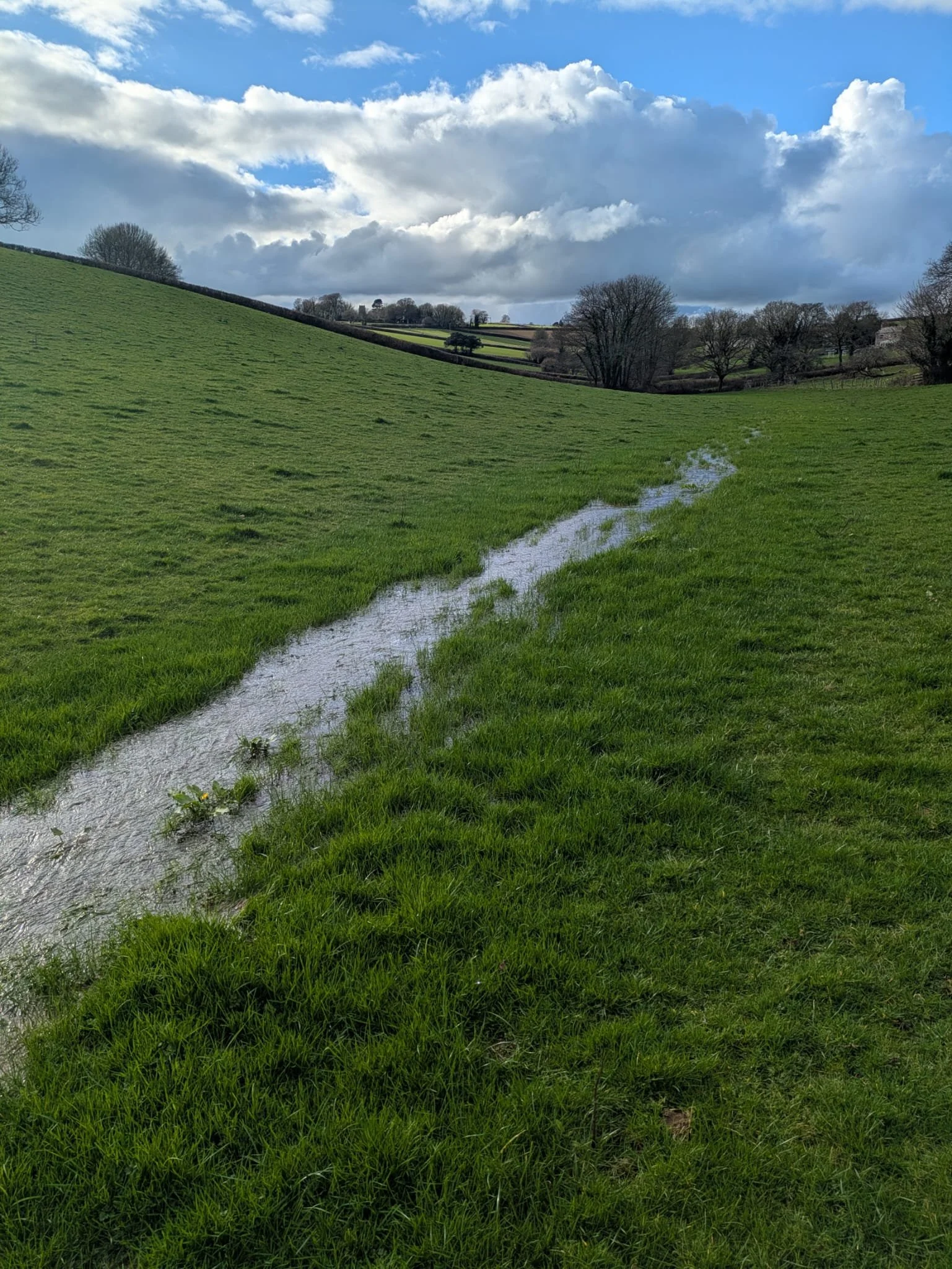
It includes an orchard of its own and a spring that feeds a stream which flows down across both farms into Trebant Water.
A flavour of
life at home