Our vision is use our farm as a vessel to explore the role of faith, myth and place in the enrichment of land, community and family.
Our vision is loosely divided into two goals.
A centre of energy for exploring the relationship between faith, sacred stories and land stewardship; not only for the benefit of nature but also the people who live and work in it and the wider public and private good it generates.
A place of retreat, using our expertise, journey and location as a resource to assist with the widespread need for personal (re)invigoration and transformation. Particularly for people in high pressure roles, high stakes moments or at a personal crossroads.
-
Modernity was built on the idea we could engineer the best of all worlds by ditching anything spiritual or traditional, transferring our common needs to the state and relying totally on science and technology.
It was a radical experiment. No society has ever willingly traded its spiritual roots, cultural stories, community infrastructure and connection to the land for pure and and placeless ‘progress’.
We are now living in the results of that experiment. Our belief is that not only has it failed to deliver, but it has also undermined the wellbeing of our selves, our social fabric, our economies and our natural world.
-
The sense that our culture has run thin is growing a hunger for something more soulful and cosmic, expressed through nature, community, place and divinity.
Humanity is hard wired for the things people increasingly hunger for, hence the sense of void: we need a ‘bigger story’ to make sense of the world. The reason it is exhausting and harmful to live without it is because it is not a made-up set of ideas: it is a pattern of being that holds life together, no less meaningful than the laws of physics.
Recentring ourselves within this pattern will offer the sense of depth, freedom, energy and vision to thrive.
-
Even though our family life revolves around a deep and mystical Christianity, we recognise we’re far more disconnected from nature, tradition and sacred stories than our ancestors ever were.
Where do we begin? Any starting point says a lot about what’s trusted for the best outcomes. For us, it’s God and our relationship with Him.
Deepening our spiritual life will change us for the better and align us with the best. From there we can more wisely and lovingly care for the people, community, place and gifts in front of us. If we do our part, and trust God with the rest, that’s how real transformation happens.
How do we hope to achieve this?
Blending the cultural innovations of yesterday to meet the needs of today
Grange
Abbey
Inn
Guild
Farmer
Friar
Hospitalier
Merchant
-
A monastic farm or estate where supplies were generated for an Abbey. Whilst the Abbey provided prayer and learning, the Grange contributed food and resources.
-
A monastery/convent under the authority of an Abbot/ess. A centre of religious life, learning and stewardship. It held in trust sacred rhythms, pattern and storytelling.
-
A place of hospitality providing lodging and sustenance for travellers and pilgrims. A bridge between private and public gathering, with warm service.
-
An association of artisans and merchants in a craft. Maintained high standards, cared for members’ prosperity and provided a structured social community.
Inspirators
or ‘Trustees in Spirit’
12 contemporaries.
12 early moderns.
12 medievals.
36 people who personify our vision and to whom we hold ourselves remotely accountable.
A bit like the listing of a ‘Board’, John wanted to list the people he feels personifies the vision we are in pursuit of, drawn from a range of eras.
This range of eras reflect our view that modern thinking alone cannot meet the moment we’re in. It’s often too utilitarian or simply a weaker version of something older, richer and more useful. Popular books on leadership and business, which have huge impact, are often susceptible to this.
12 Contemporaries
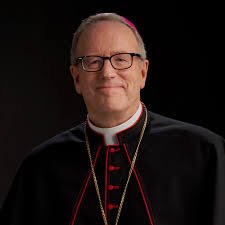
Bishop Barron
Catholic theologian and iconic engager of online audiences.
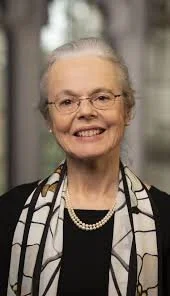
Ellen Davis
Theologian writing on biblical nature of farming and land stewardship.
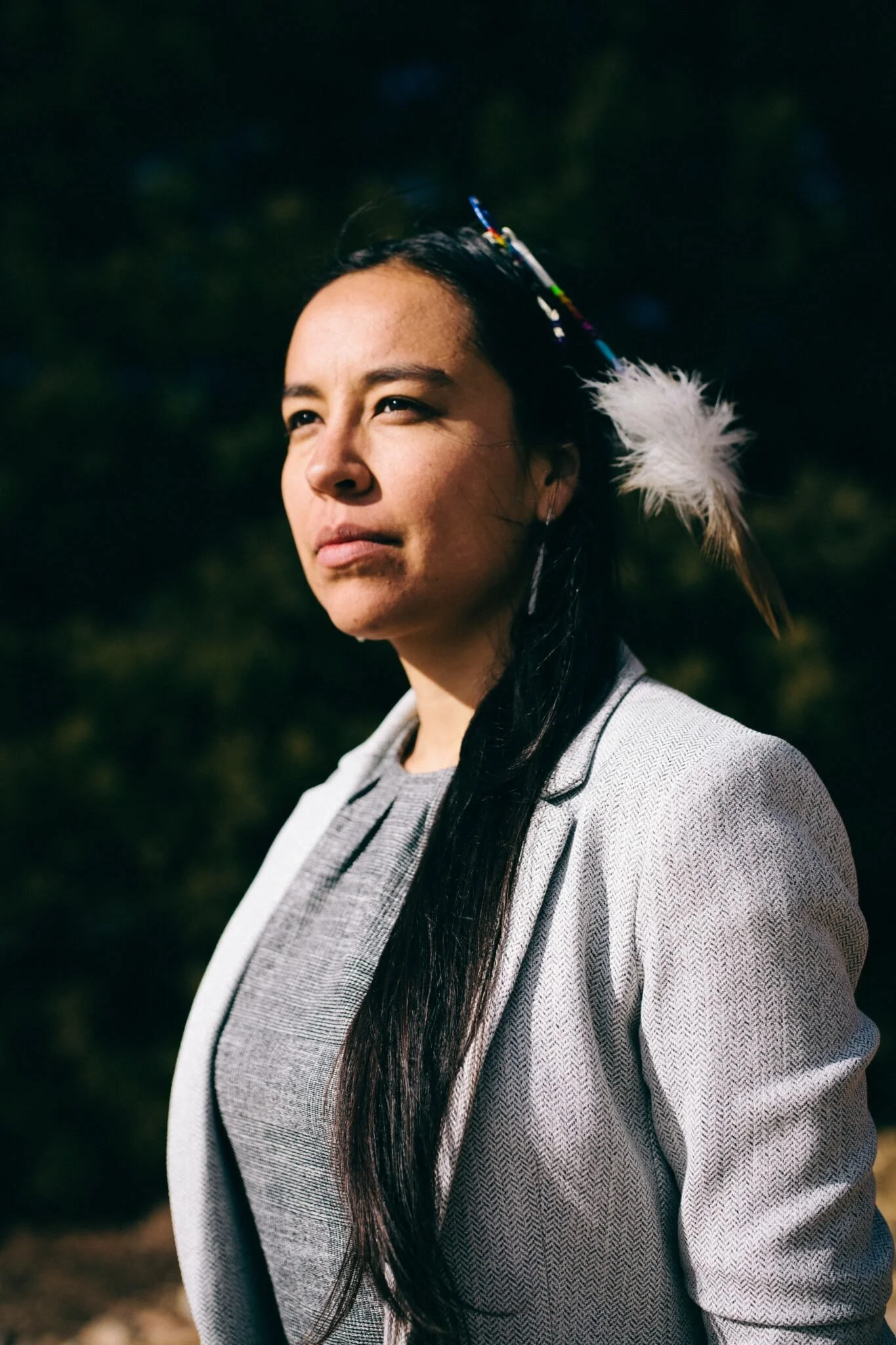
Lyla June
Euro-Cheyenne ecologist who speaks on epic, mass land stewardship.
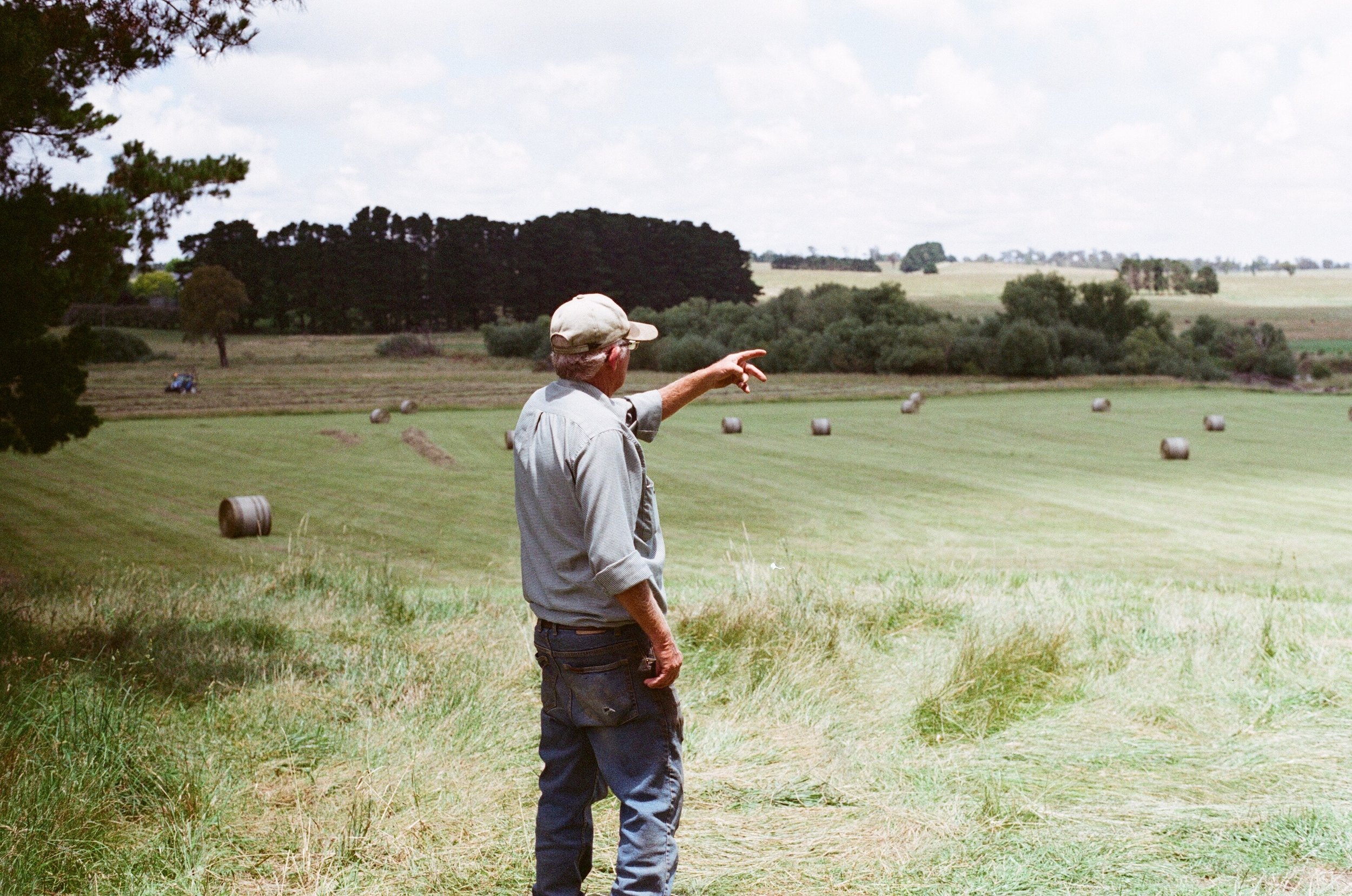
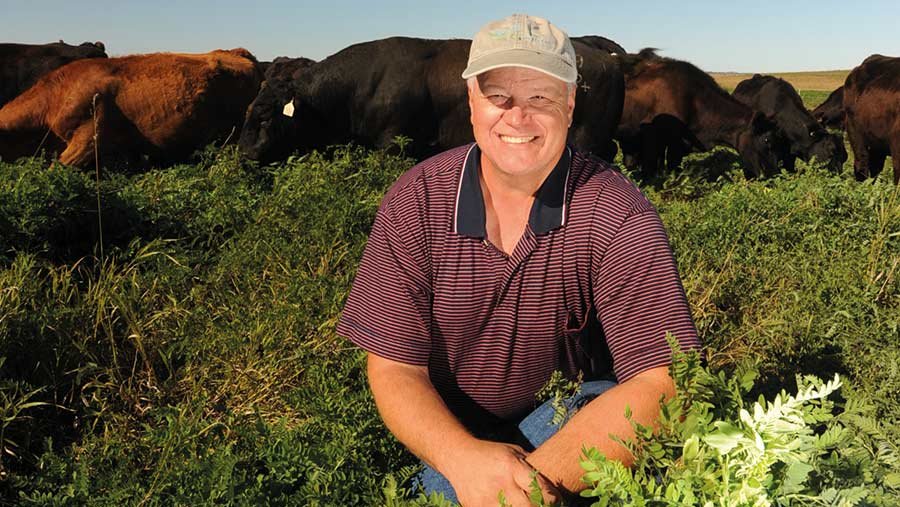
The Local Farmer
It is important our work is grounded in the reality of working the land.
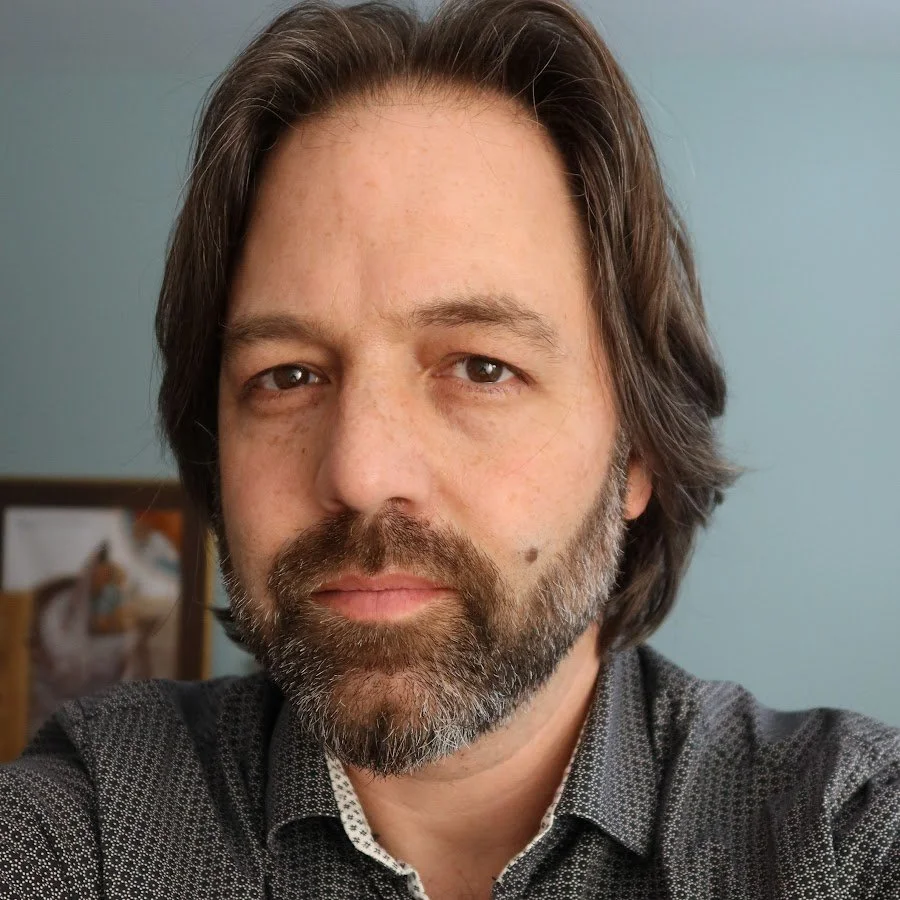
Martin Shaw
‘Liturgies of the Wild’. Myth maker, story teller and rites of passage.
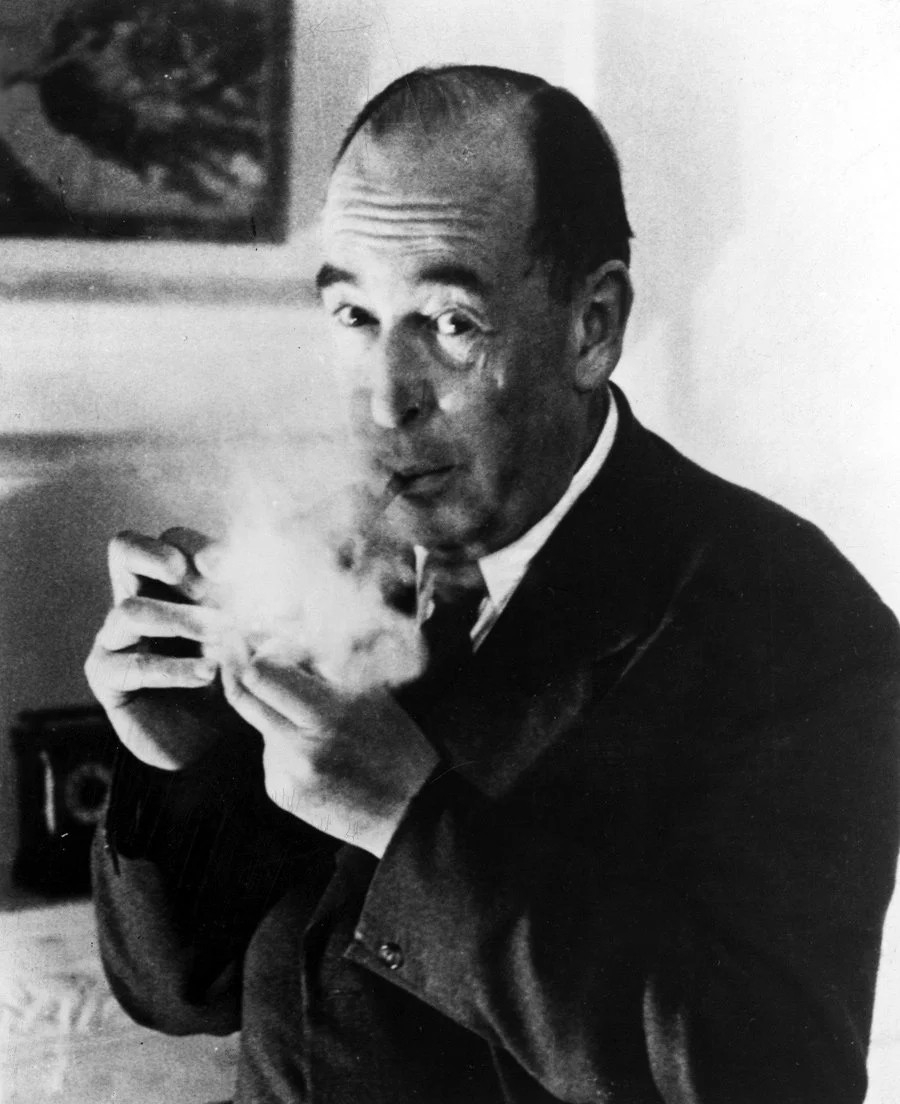
CS Lewis
Writer who used myth to bypass the watchful dragons of the intellect.
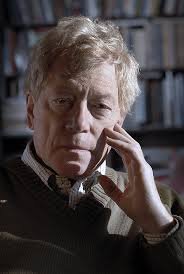
Roger Scruton
English philosopher writing on rural life, England and beauty.
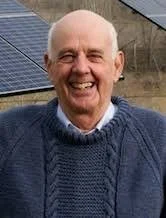
Wendell Berry
Iconic farmer poet writing about country life, food and nature.
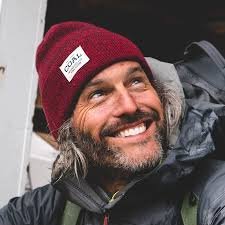
Donnie Vincent
Hunter biologist explorer conservationist who films stories about the wild.
Jonathan Pageau
Thinker-artist reviving the nature of symbolism and patterns of meaning.
Gisela Kreglinger
‘Spirituality of Wine’. Explores the sacred, power of wine.
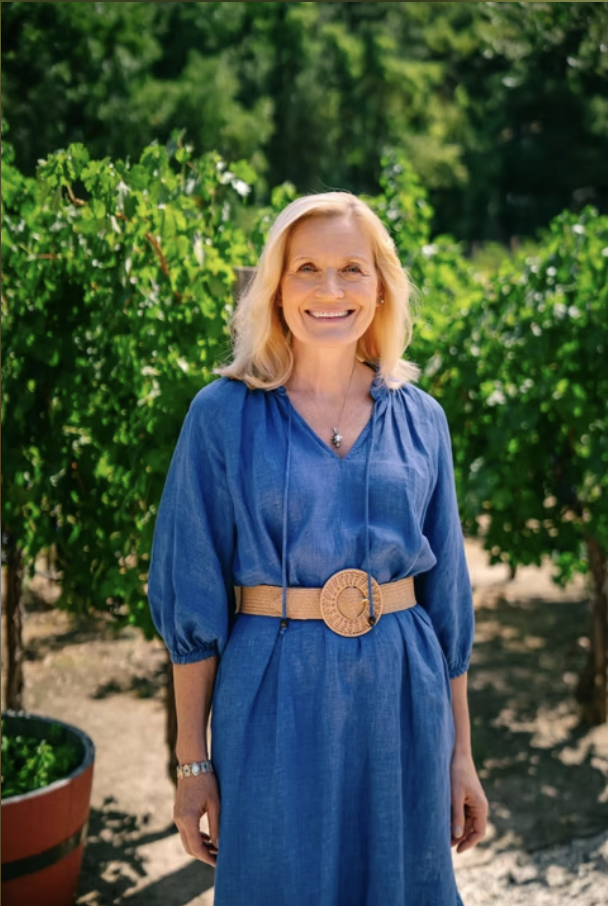
Gabe Brown
Pioneering regenerative farmer with a spiritual connection to the land.
12 Early Moderns
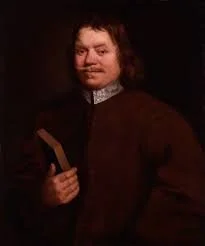
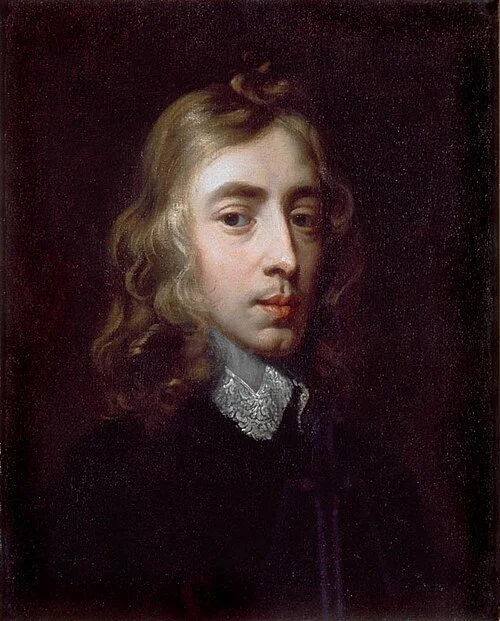
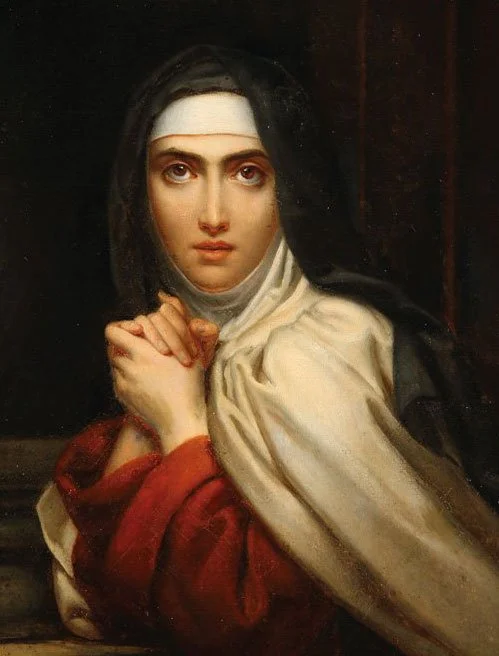
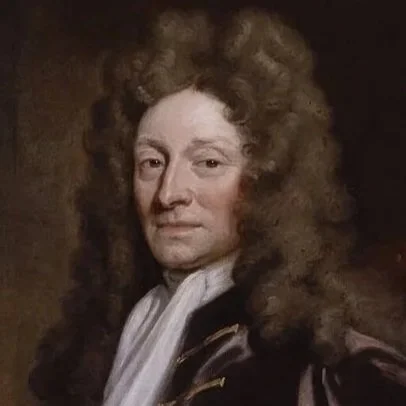
St Teresa of Avila
Central to monastic and spiritual renewal. Rhythmic prayer.
Christopher Wren
Anglican architect who blended the beautiful, cosmic and rational.
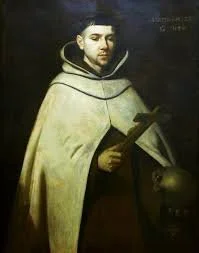
John of the Cross
Poetic mystic who wrote of the dark night of the soul’s role in life.
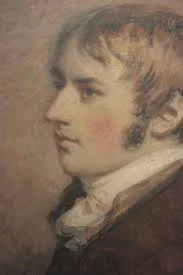
John Constable
Painter at the intersection of mysticism and English countryside.
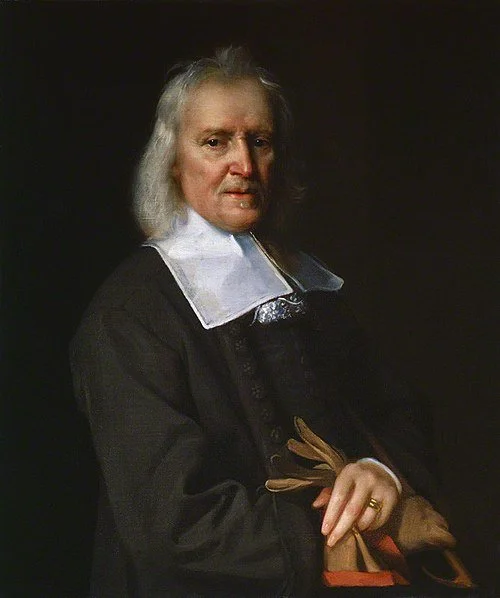
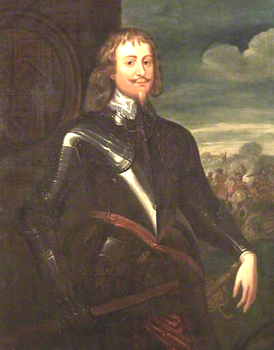
Sir Bevil Grenville
Popular Cornish knight mourned as the perfect Christian gentleman.
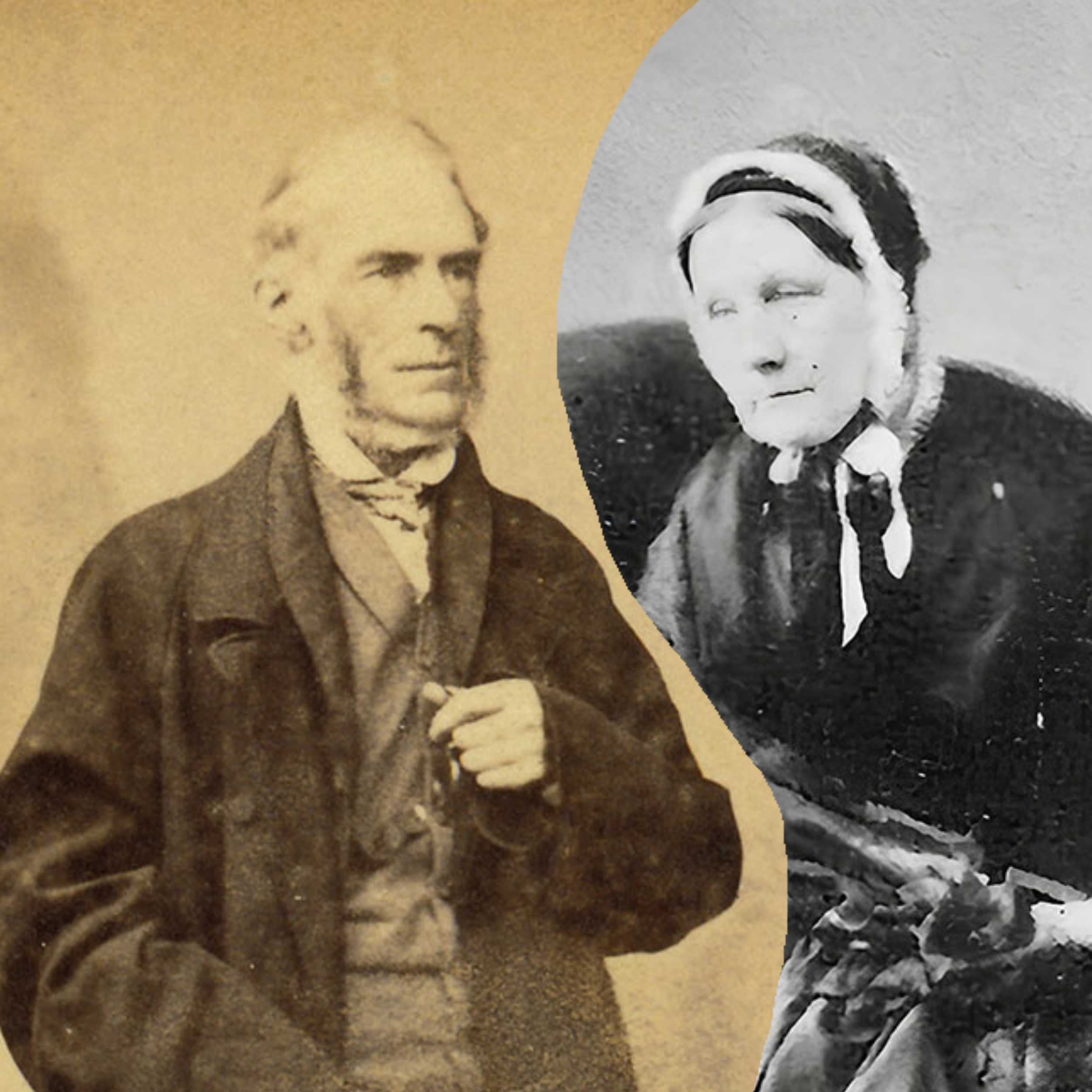
Charles & Sarah Fox
Cornish Quakers, industrialists, stewards, mystics and gardeners.
John Milton
Paradise Lost. Wrote in mythic narrative to tackle spirituality and England.
John Bunyan
Myth maker. Pilgrim’s Progress maps spiritual journey as a trek.
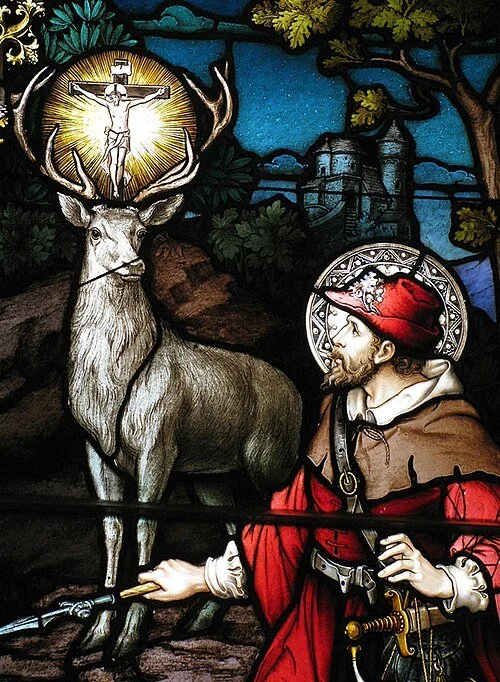
St Hubert
Patron saint of hunters and foresters diligent in fasting, prayer.
Izaak Walton
‘The Compleat Angler’; poetic, pastoral guide to fishing and the rural life.
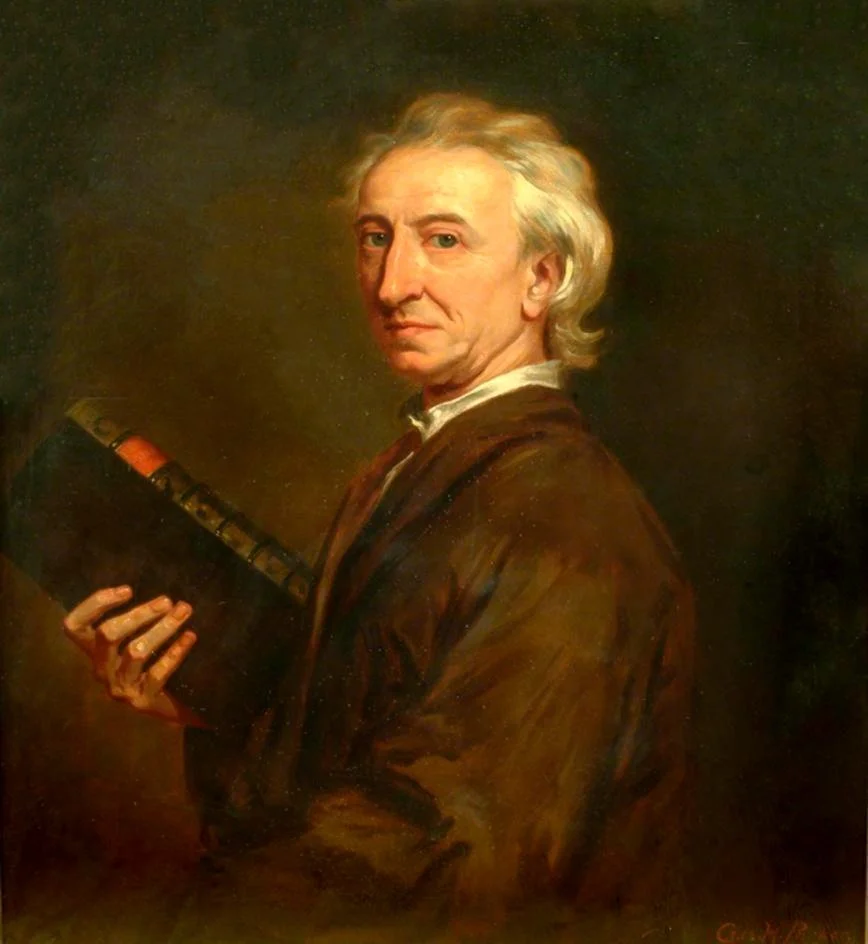
John Evelyn
Royal Society Founder and early evangelist for sustainable forestry.
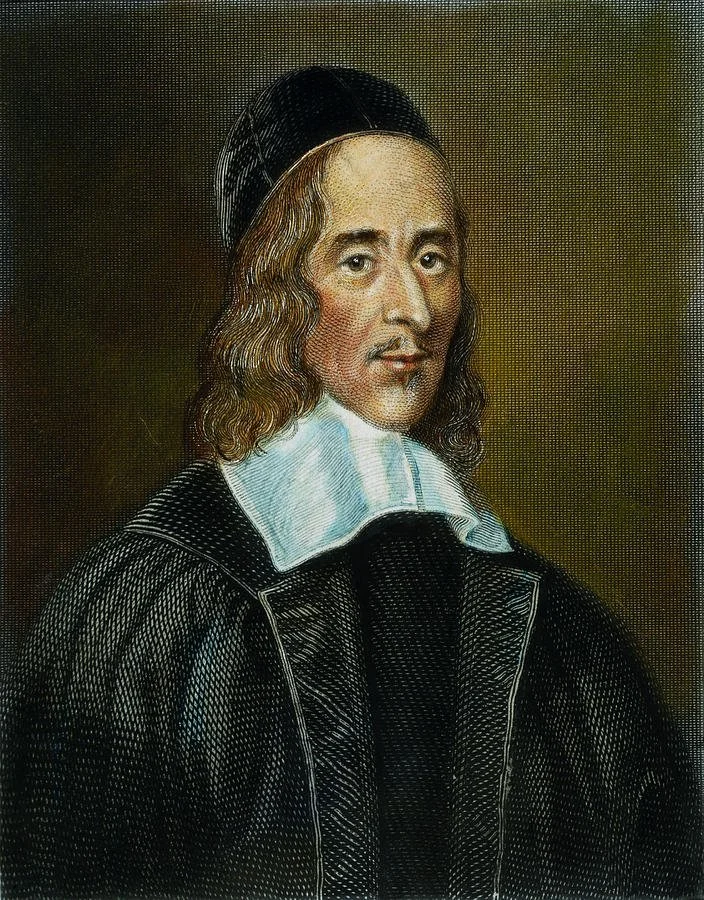
George Herbert
England’s primary religious poet: church, liturgical year, soil.
12 Medievals
Julian of Norwich
The ‘hazelnut’ theology of God’s love for all of creation.
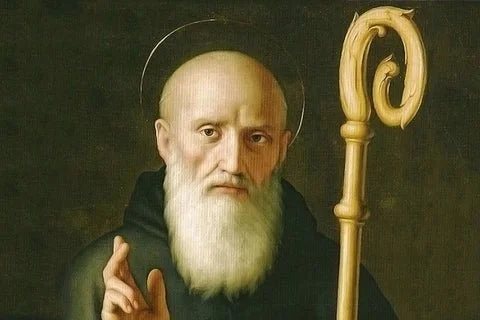
St Benedict
Father of western monasticism and a Patron Saint of Europe.
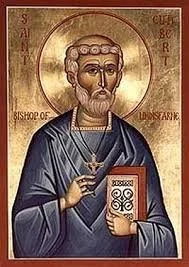
St Cuthbert
Archetypal Celtic saint living in harmony with wildlife and community.
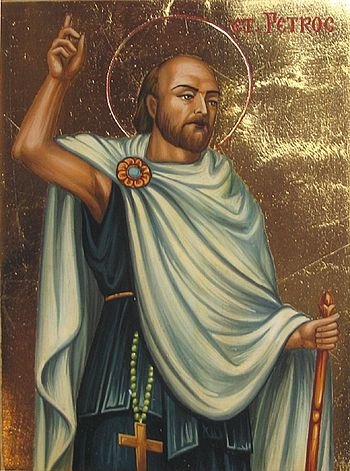
St Petroc
‘Captain of Cornish saints’ and friend of the stag.
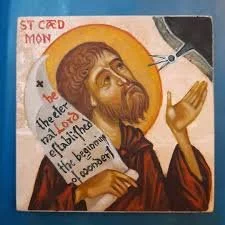
Caedmon
First English poet; cowherder who sang about nature’s maker.
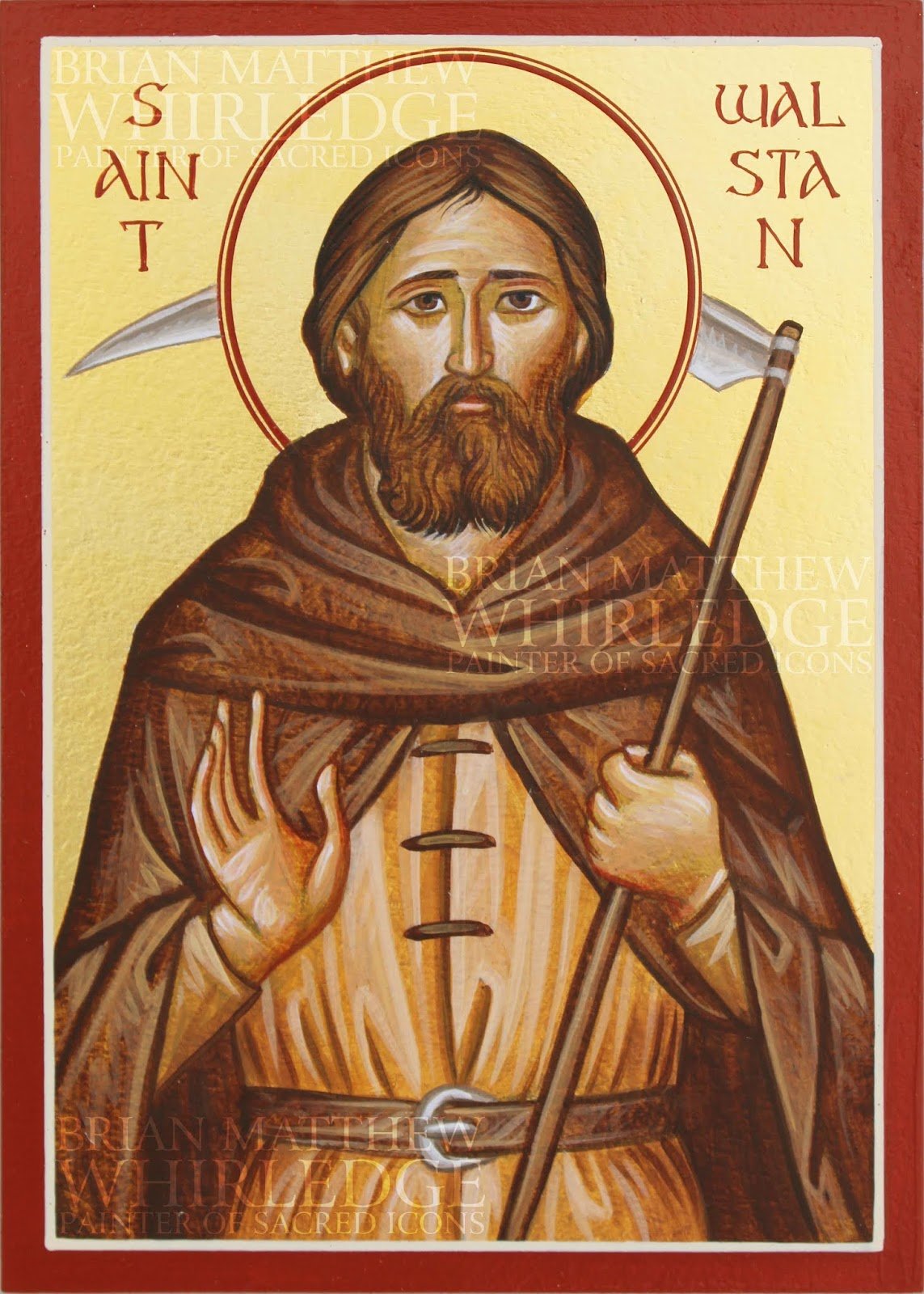
St Walstan
From prince to prayerful farmer. English patron of farmers & farm animals.
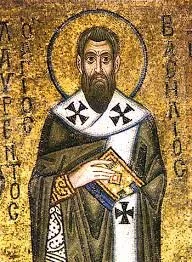
St Basil The Great
Wrote The Hexaemeron, a foundation work on the nature of creation.
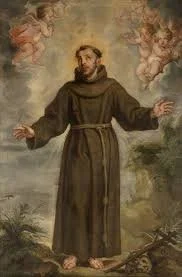
St Francis of Assisi
Patron saint of ecology. Wrote Canticle of the Creatures.
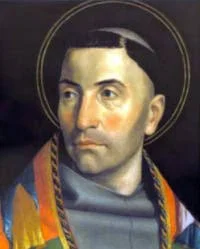
St Bonaventure
Famed for writing on beauty, integrated deeply into his theology.
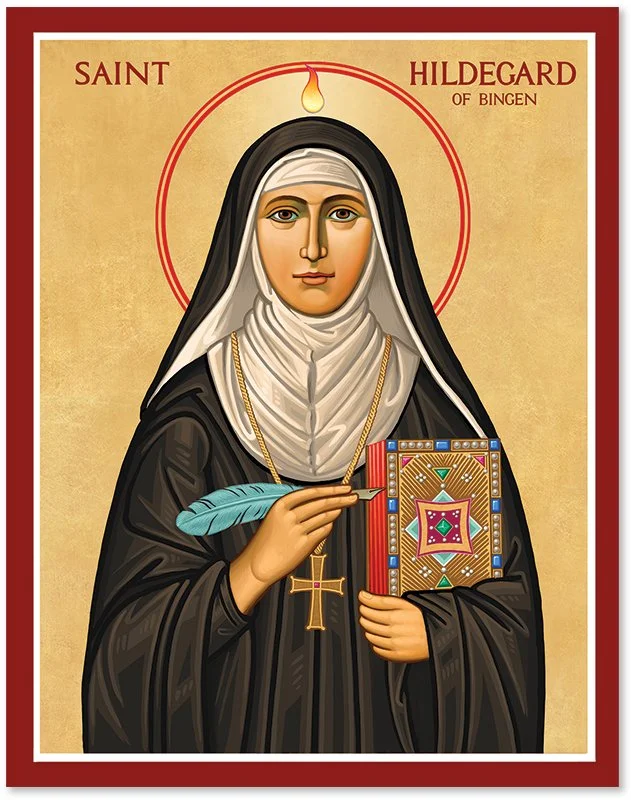
St Hildegard
Wrote on ‘Divine Greening’ and our family relation with nature
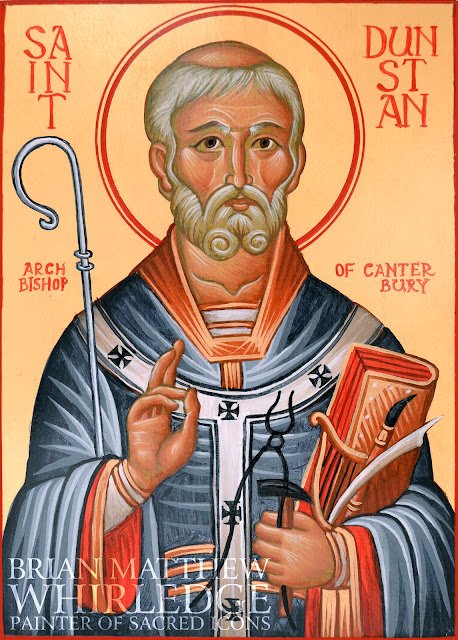
St Dunstan
Much loved English saint who led a cultural and monastic revival in C10th.
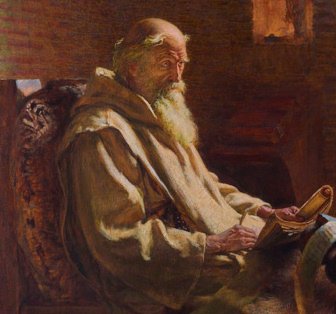
The Venerable Bede
England’s first great historian; wove the land into our sacred story.